US announces Israel-Lebanon ceasefire framework amid enforcement concerns
The United States has unveiled a ceasefire framework between Israel and Lebanon, contingent on the withdrawal of Hezbollah operatives from the south, though the group’s non-participation in the negotiations complicates implementation.
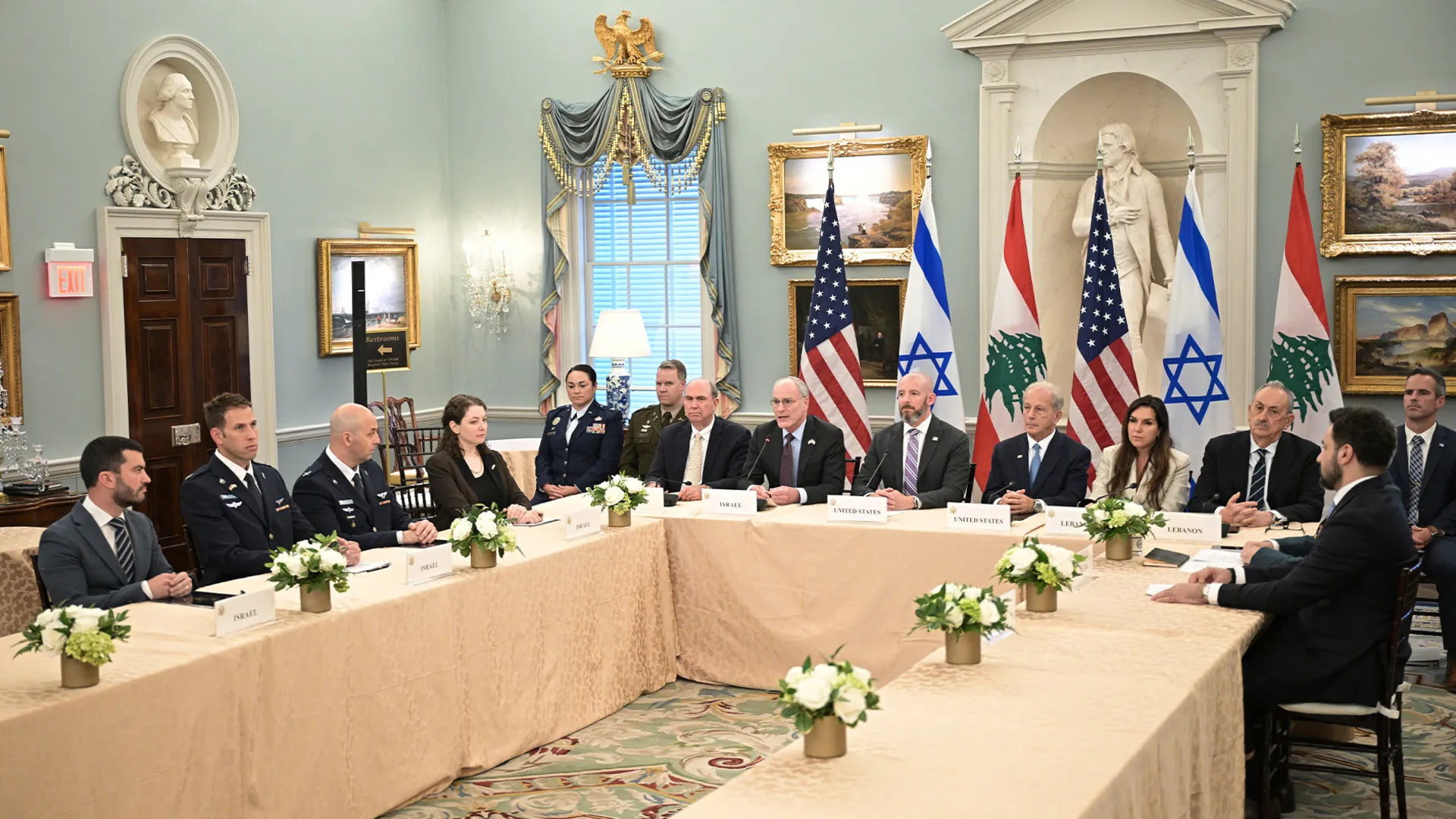
The United States has formally announced a ceasefire framework between Israel and Lebanon following US-led diplomatic talks in Washington, DC. The agreement marks the fourth round of direct negotiations between the two nations since hostilities resumed on 2 March 2026, signalling a renewed push to stabilise the border region after months of sustained conflict.
Under the terms of the proposed framework, the cessation of hostilities is strictly contingent upon a complete cessation of fire by Hezbollah and the full evacuation of the group’s operatives from southern Lebanon. The structure of the deal reflects a significant policy shift aimed at addressing the root causes of the renewed fighting, which began in early March, by targeting the military presence of the Lebanese militant group rather than merely seeking a temporary halt in combat.
However, the practical enforceability of the agreement remains in question due to the absence of Hezbollah from the negotiation table. The group has consistently maintained that it will not accept a partial ceasefire, a stance reiterated by Hezbollah official Mahmud Qomati. This exclusion leaves the mechanisms for verifying compliance and ensuring the withdrawal of fighters unverified, creating a significant gap between the diplomatic agreement and its operational reality on the ground.
The diplomatic efforts were conducted against a backdrop of heightened regional tensions, particularly concerning the broader conflict involving Iran. US President Donald Trump stated a clear desire to decouple the discussions regarding Lebanon from the wider war with Iran, attempting to isolate the bilateral issue from the multilateral strategic rivalry. This separation of theatres was intended to prevent the Lebanon conflict from escalating into a wider regional conflagration.
Iranian officials have responded with stark warnings regarding the potential for escalation. Iranian Foreign Minister Abbas Araghchi cautioned that any military attack on Beirut would trigger a full-scale resumption of war, underscoring the delicate balance required to maintain the ceasefire. The warning highlights the interconnected nature of the regional security architecture and the risks associated with any breach of the proposed framework.
As the United States moves to implement the framework, the focus shifts to whether Israel and Lebanon can secure Hezbollah’s adherence to the terms without direct engagement with the group. The success of the initiative will depend on how effectively the parties can manage the enforcement of the ceasefire conditions while navigating the complex web of regional alliances and threats.
The announcement comes as international observers monitor the situation closely, aware that previous diplomatic efforts have often stalled due to similar enforcement challenges. The coming weeks will be critical in determining whether this framework can translate into a durable cessation of hostilities or if it will succumb to the same structural obstacles that have hindered past peace efforts.