US announces drawdown of 5,000 troops from Germany amid transatlantic friction
The move follows diplomatic tensions between the US President and German Chancellor, raising questions about the future of European security architecture.
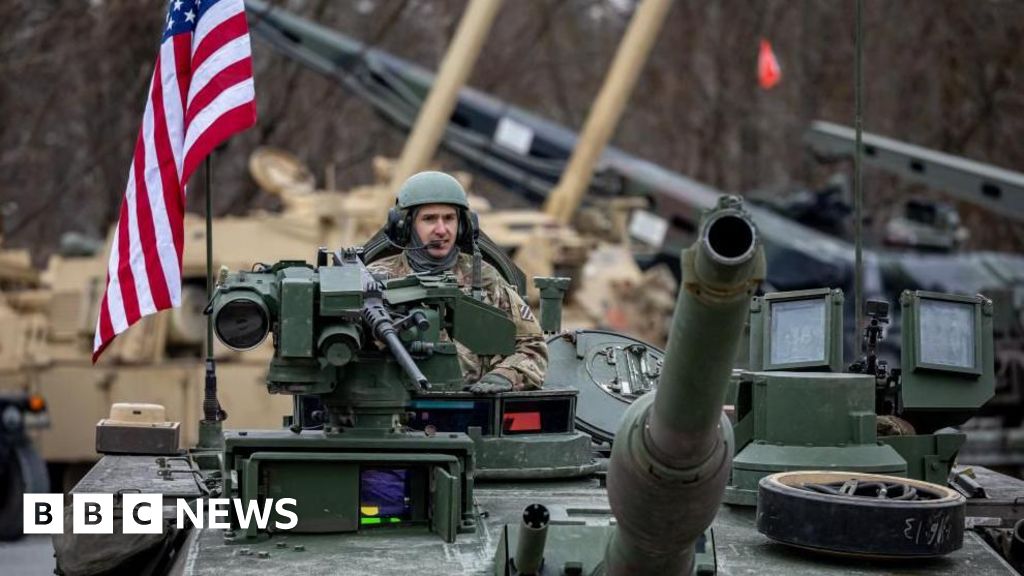
The United States has confirmed the withdrawal of 5,000 troops from Germany, a reduction the Pentagon states will be completed within a six to 12 month timeframe. This decision marks a significant adjustment to the US military footprint in Europe, which currently hosts over 36,000 active duty troops, its largest deployment on the continent. The announcement arrives as NATO seeks clarification from Washington regarding the specifics of the drawdown and its impact on alliance cohesion.
German Defence Minister Boris Pistorius described the reduction as foreseeable, noting that while the presence of American soldiers remains in the interest of both nations, the shift necessitates a recalibration of security responsibilities. Pistorius emphasised that Europe must now take greater ownership of its defence, a sentiment echoed by NATO spokesperson Allison Hart, who stated the move underscores the need for allies to invest more in their own capabilities.
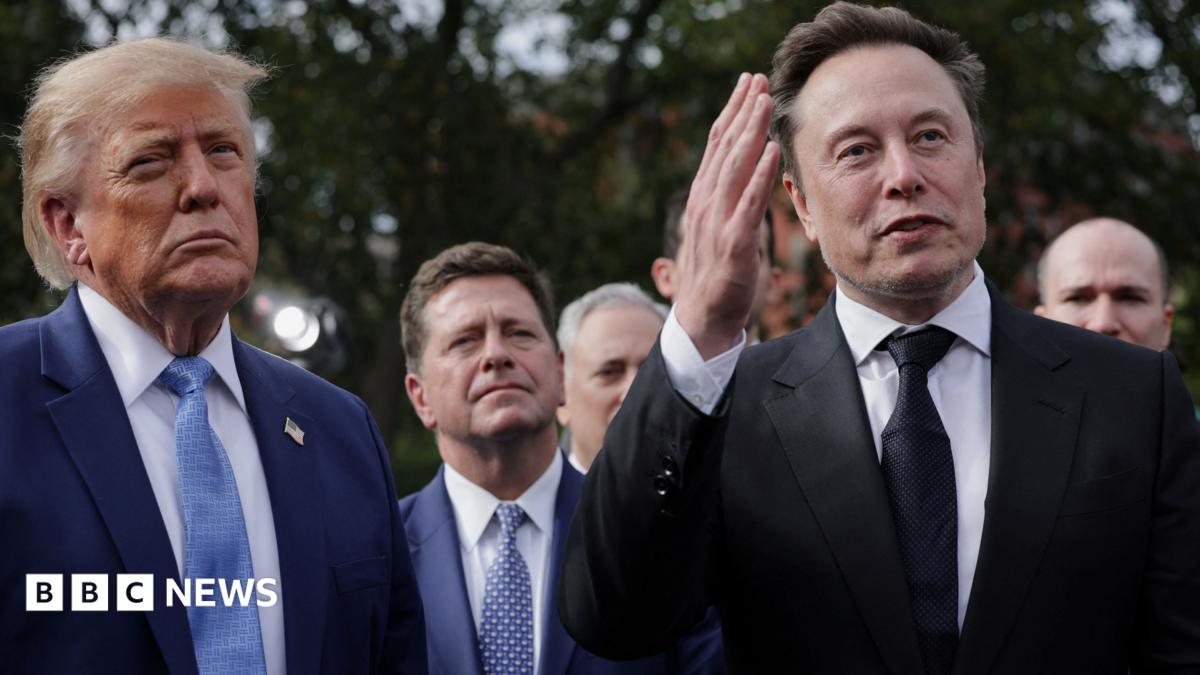
The announcement follows a reported diplomatic spat between US President Donald Trump and German Chancellor Friedrich Merz regarding Washington's strategy in the Middle East. Tensions escalated after Merz criticised US conduct in negotiations with Iran, prompting a sharp response from the White House. This friction has led to broader questions within the 32-member alliance about the reliability of transatlantic security guarantees.
Pentagon spokesman Sean Parnell confirmed that the order originated from Defence Secretary Pete Hegseth, aligning with President Trump's broader plan to shift US military focus from Europe to the Indo-Pacific region. While the US maintains a significant presence in Italy and the UK, the reduction in Germany has sparked concern among senior US lawmakers, including Senator Roger Wicker and Representative Mike Rogers, who warned that withdrawing a brigade could weaken the deterrent in Europe.
Polish Prime Minister Donald Tusk has voiced alarm over the potential disintegration of the alliance, arguing that internal divisions pose a greater threat than external enemies. Despite these concerns, Germany projects its defence spending will reach 3.1% of GDP by 2027, exceeding the NATO target of 2% and aiming for a collective 5% investment goal agreed upon at the Hague summit. Berlin maintains that this increased expenditure reflects its commitment to supporting Ukraine while adapting to a changing security landscape.
As the drawdown proceeds, the focus remains on how European nations will fill the strategic vacuum left by the departing forces. The situation highlights an ongoing policy realignment where traditional reliance on US protection is being balanced against the imperative for indigenous defence capabilities across the continent.