US announces drawdown of 5,000 troops from Germany amid transatlantic friction
President Donald Trump's decision follows a dispute with Chancellor Friedrich Merz over Iran war strategy, prompting NATO to assess the logistical specifics of the reduction.
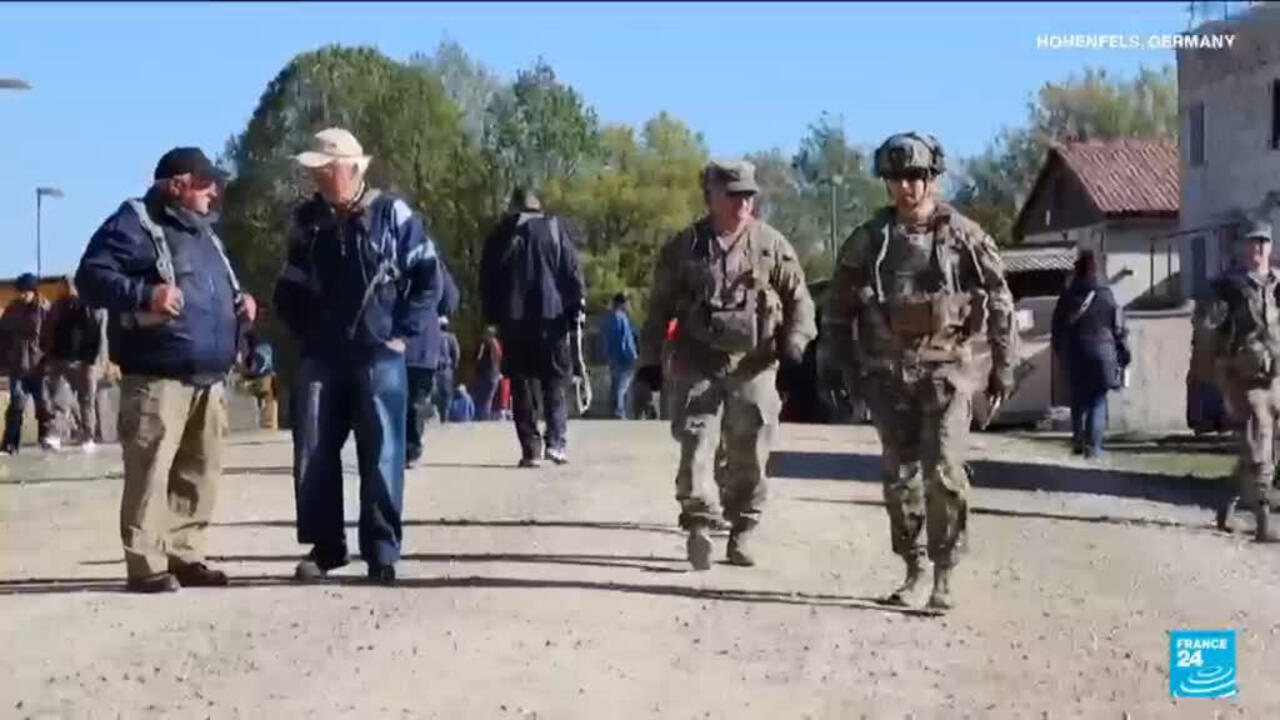
President Donald Trump has announced the withdrawal of 5,000 United States troops from Germany, a move that has intensified existing tensions within the transatlantic alliance. The decision was made following a reported dispute between the US President and German Chancellor Friedrich Merz regarding Washington's strategic approach to the conflict in Iran. This announcement marks a significant shift in the military posture of the alliance, occurring against a backdrop of heightened diplomatic friction between the two nations.
NATO is currently working with the United States to understand the specifics of this reduction, which is expected to unfold over the next six to 12 months. While the alliance seeks clarity on the logistical details, the political implications of the drawdown are already being felt across Europe. The move underscores a period of strategic realignment, with reports indicating that President Trump has previously described NATO as a "paper tiger" and criticised Germany's handling of the Iran conflict.
In response to the announcement, Germany's defence minister has stated that the reduction in American troop presence should serve as a catalyst for European nations to strengthen their own defences. This sentiment reflects a growing consensus among European officials that the withdrawal necessitates a more robust indigenous security framework. The minister's comments highlight a policy shift where the reliance on US military guarantees is being recalibrated in light of the changing strategic landscape.
The dispute over the Iran war strategy appears to be a central driver of this policy divergence. President Trump has expressed dissatisfaction with Iran's latest peace proposal, citing what he perceives as disjointed leadership in Tehran following the succession of Supreme Leader Ali Khamenei by his son, Mojtaba Khamenei. This assessment of less centralised decision-making in Iran has influenced Washington's stance, contributing to the broader friction that now extends to military deployments in Europe.
Despite these strategic disagreements, diplomatic efforts continue elsewhere, with King Charles' state visit to the United States proceeding as planned. The four-day trip, which includes a private meeting with the President, aims to strengthen US-UK relations even as differences over the Iran war persist. This parallel development suggests that while the US-Germany relationship is under strain, other bilateral ties within the Western alliance remain active, albeit within a complex geopolitical environment.
As the troop withdrawal progresses over the coming year, the full extent of its impact on transatlantic relations remains to be seen. The specific timeline and logistical execution of the drawdown are still being assessed by both NATO and the United States. However, the immediate effect is a clear signal that the era of unquestioned US military dominance in the region is giving way to a more contested and negotiated security architecture.