US announces 25 per cent tariff hike on EU vehicles amid trade dispute escalation
The automotive sector faces significant exposure as Washington increases duties by 10 percentage points over the previous July agreement
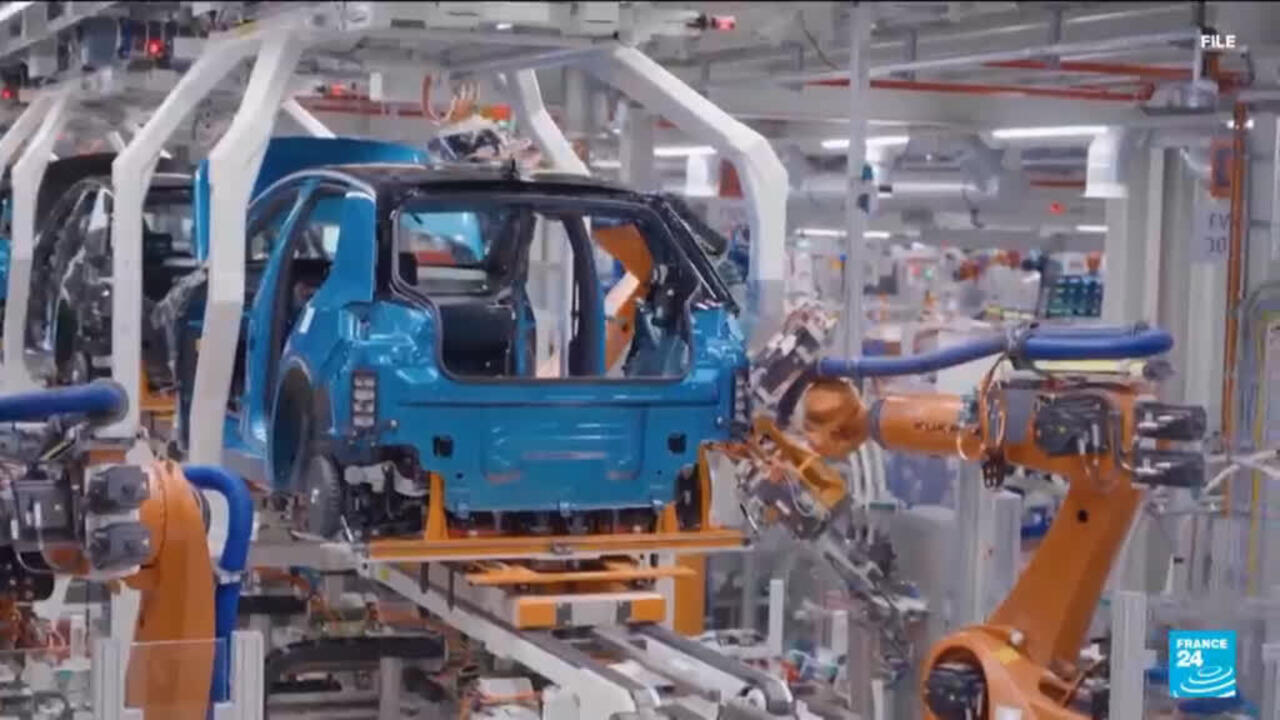
Donald Trump has announced an escalation of the trade dispute with the European Union, declaring that tariffs on cars and trucks will rise to 25 per cent effective next week. This directive represents a substantial increase of 10 percentage points over the rate established in a trade deal agreed upon in July. The administration attributes this decision to the European bloc's failure to comply with the terms of the previous agreement.
The announcement marks a significant shift in the governance of trans-Atlantic trade relations, moving away from the framework set earlier this year. By raising the levy on automotive imports, the United States is targeting a sector identified as particularly vulnerable due to its significant contribution to the European economy. The move underscores the high stakes involved in the current diplomatic friction between Washington and Brussels.
This trade policy adjustment occurs alongside a broader strategic realignment in Europe, specifically the withdrawal of US troops from Germany. The simultaneous nature of these developments suggests a coordinated approach to reshaping the security and economic landscape of the continent. The dual pressure of reduced military presence and increased commercial barriers presents a complex challenge for European policymakers.
The automotive industry remains the focal point of this escalation, given that car manufacturing constitutes a major component of the European economic output. Industry analysts and government officials are now assessing the potential ramifications of the new duty structure on supply chains and market stability. The specific mechanisms of the alleged non-compliance remain unelaborated in the initial statement, leaving the precise grounds for the dispute somewhat opaque.
While the headline figure suggests the measures could cost Germany approximately $18 billion, the detailed methodology behind this estimate has not been fully broken down in the source material. The lack of granular data on the financial impact means that the full extent of the economic burden remains a subject of ongoing analysis. The administration's stance relies heavily on the assertion that the bloc is not adhering to the spirit or letter of the July accord.
As the implementation date approaches, the focus shifts to how the European Union will respond to this unilateral increase in duties. The situation highlights the fragility of the current trade architecture and the potential for further institutional friction. The interplay between trade policy and military deployment in Germany adds a layer of geopolitical complexity to the dispute.