US and Turkiye advance power-sharing proposal to resolve Libya’s decade-long stalemate
Washington and Ankara are reportedly gaining traction on a plan to merge Libya’s competing governments, marking the latest attempt to end a political division that has persisted since 2014.
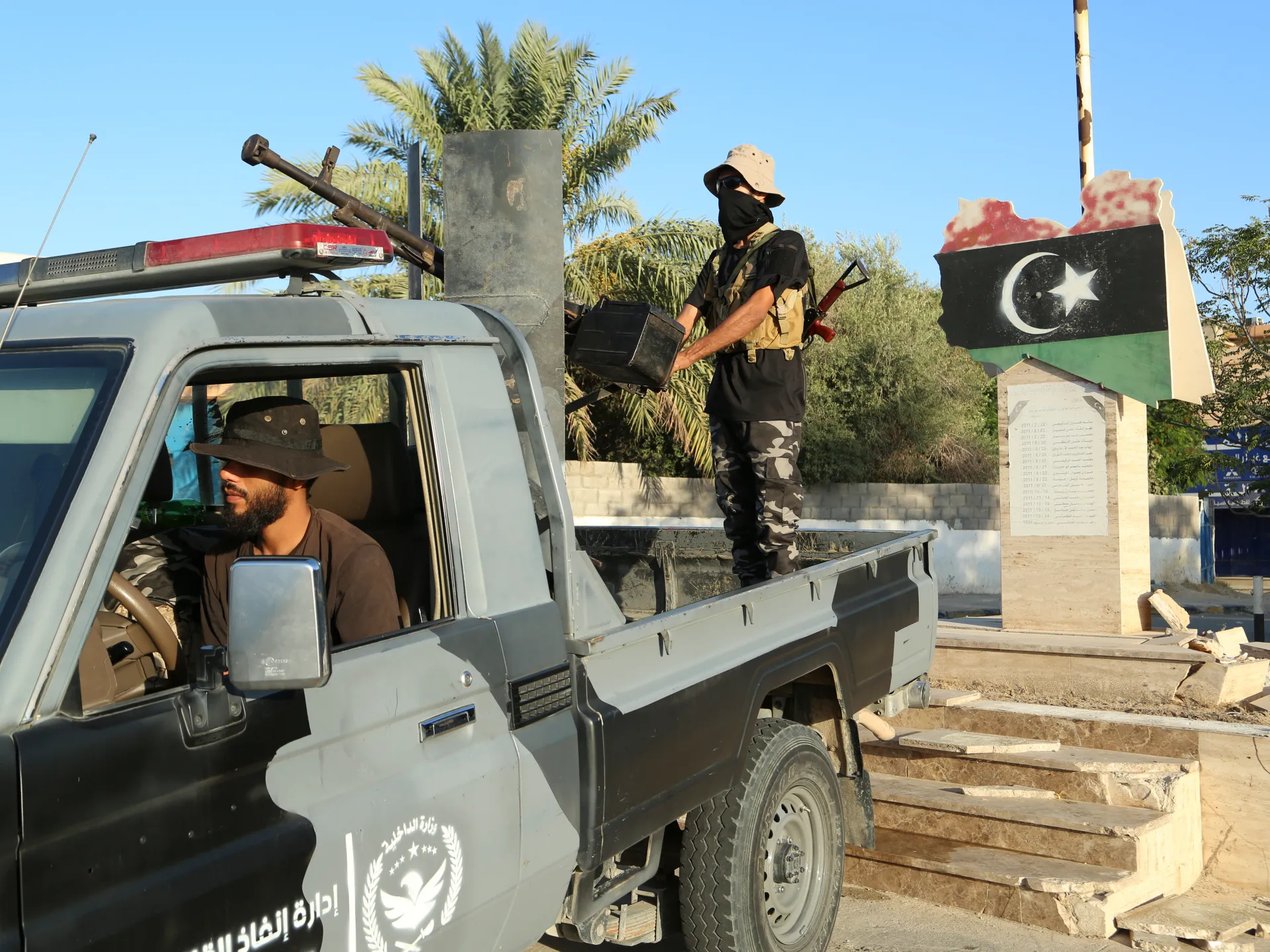
The United States and Turkiye are advancing a diplomatic initiative aimed at unifying Libya’s rival administrations, as efforts to resolve the country’s protracted political crisis gather momentum. The proposed framework centres on a power-sharing agreement designed to bring together the warring parties that have governed the North African state separately for more than a decade.
Libya has remained politically and physically divided since 2014, operating under a dual structure that includes two rival governments, two prime ministers, and two distinct seats of government. This institutional fragmentation has characterised the nation’s landscape through more than ten years of conflict and deep political divisions, despite numerous international diplomatic initiatives that have previously failed to break the impasse.
According to reporting from Al Jazeera’s Inside Story programme, the current US-led plan is seeking to consolidate these competing factions under a single power-sharing arrangement. Turkiye is actively involved alongside Washington in these negotiations, with both nations working to facilitate dialogue between the eastern and western administrations.
However, the feasibility of such a deal remains under scrutiny. The programme highlights questions regarding whether sufficient common ground exists between the rival factions to sustain a unified government. Analysts and experts are examining whether the diplomatic push can overcome entrenched interests or if the process risks destabilising the fragile status quo.
Concerns have also been raised about the potential consequences of these negotiations. There are warnings that the push for a power-sharing deal could inadvertently serve as a recipe for renewed fighting, rather than a pathway to lasting stability. The outcome of these efforts remains uncertain, with no confirmed agreement yet in place.
The diplomatic engagement involves input from several regional experts, including Anas El Gomati of the Sadeq Institute, William Lawrence from the National Council on US-Arab Relations, and Murat Aslan of the SETA Foundation. Their assessments underscore the complexity of the task, as external powers attempt to mediate a conflict that has resisted previous resolution attempts.
As the US and Turkiye continue to press for a unified political structure, the international community watches closely. The success of this latest initiative will depend on the willingness of Libya’s rival leaders to compromise, a hurdle that has proven insurmountable in past diplomatic rounds.