US and Saudi Arabia poised to announce 30-year nuclear agreement
President Donald Trump has approved the arrangement, which faces congressional review and opposition from non-proliferation campaigners concerned about weaponisation risks.
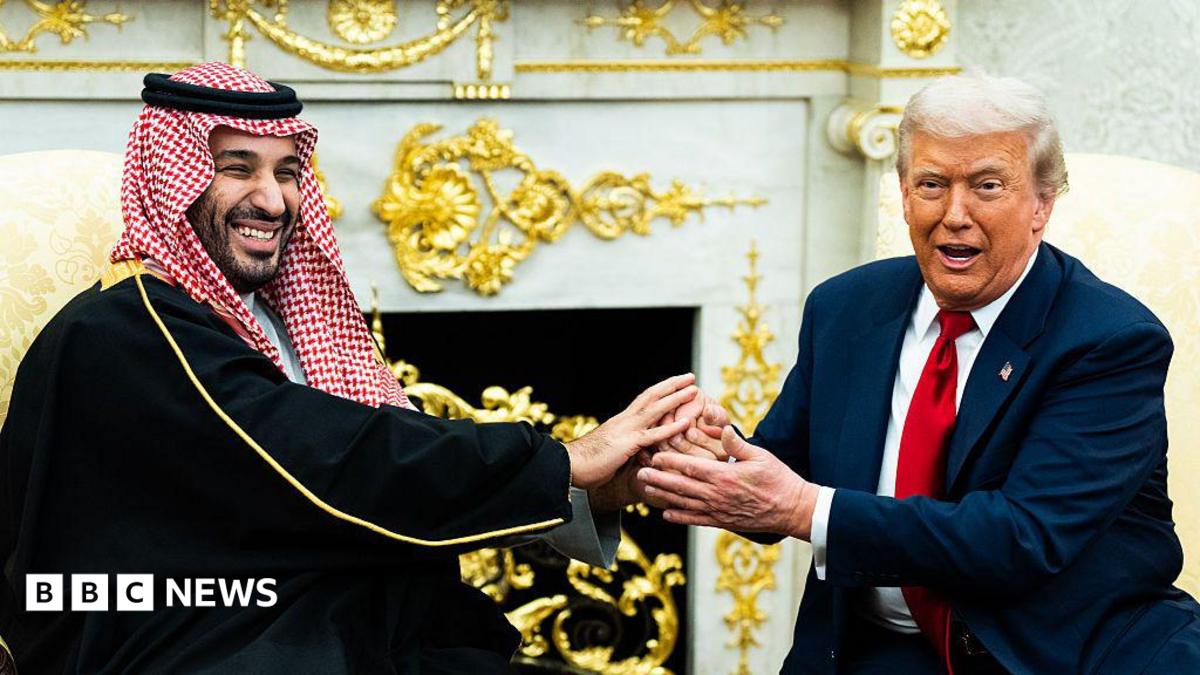
The United States and Saudi Arabia are set to announce a 30-year agreement permitting the Gulf kingdom to develop a civilian nuclear programme, including the enrichment of uranium on its own soil. The deal, which has been approved by President Donald Trump, marks a significant shift in regional policy by not requiring Saudi Arabia to normalise diplomatic ties with Israel, a condition that has been a long-standing aspiration of successive US administrations.
Under the terms of the arrangement, Saudi Arabia may be allowed to enrich uranium at a US-built facility following a joint study with Washington. This provision distinguishes the agreement from a 2009 deal with the United Arab Emirates, which prohibited domestic fuel production and imposed stricter restrictions. If the US objects to enrichment after the joint study, Saudi Arabia would be barred from enriching uranium on its own or with another foreign partner for 10 years.
The potential for billions of dollars in contracts for American companies involved in building the enrichment facility adds an economic dimension to the geopolitical shift. However, the plan has drawn sharp concern from Israeli experts and non-proliferation campaigners. Critics worry the agreement could ultimately enable Saudi Arabia to develop nuclear weapons, a risk underscored by Crown Prince Mohammed bin Salman’s 2018 statement that his nation would pursue such capabilities as soon as possible if Iran developed a nuclear bomb.
Nuclear proliferation concerns are heightened by the recent context of the US-Israeli conflict with Iran, which began in February with stated aims of preventing Tehran from acquiring nuclear weapons. While Saudi officials have stated they are not planning to acquire nuclear weapons, the possibility of a regional arms race remains a focal point of debate among security experts and former officials in Israel, the US’s top ally in the Middle East.
The agreement will now be sent to the US Congress for review. Despite Republican control of both chambers, the deal faces expected opposition from lawmakers on both sides of the political aisle. The BBC has requested comment from the White House regarding the reports, which were first detailed by the Wall Street Journal and the New York Times.