US and Mexican authorities clash over Cyclospora outbreak source as cases surge
The US Centers for Disease Control and Prevention confirms 308 hospitalisations across 41 states, while Mexico’s Health Ministry rejects allegations linking the outbreak to its central regions.
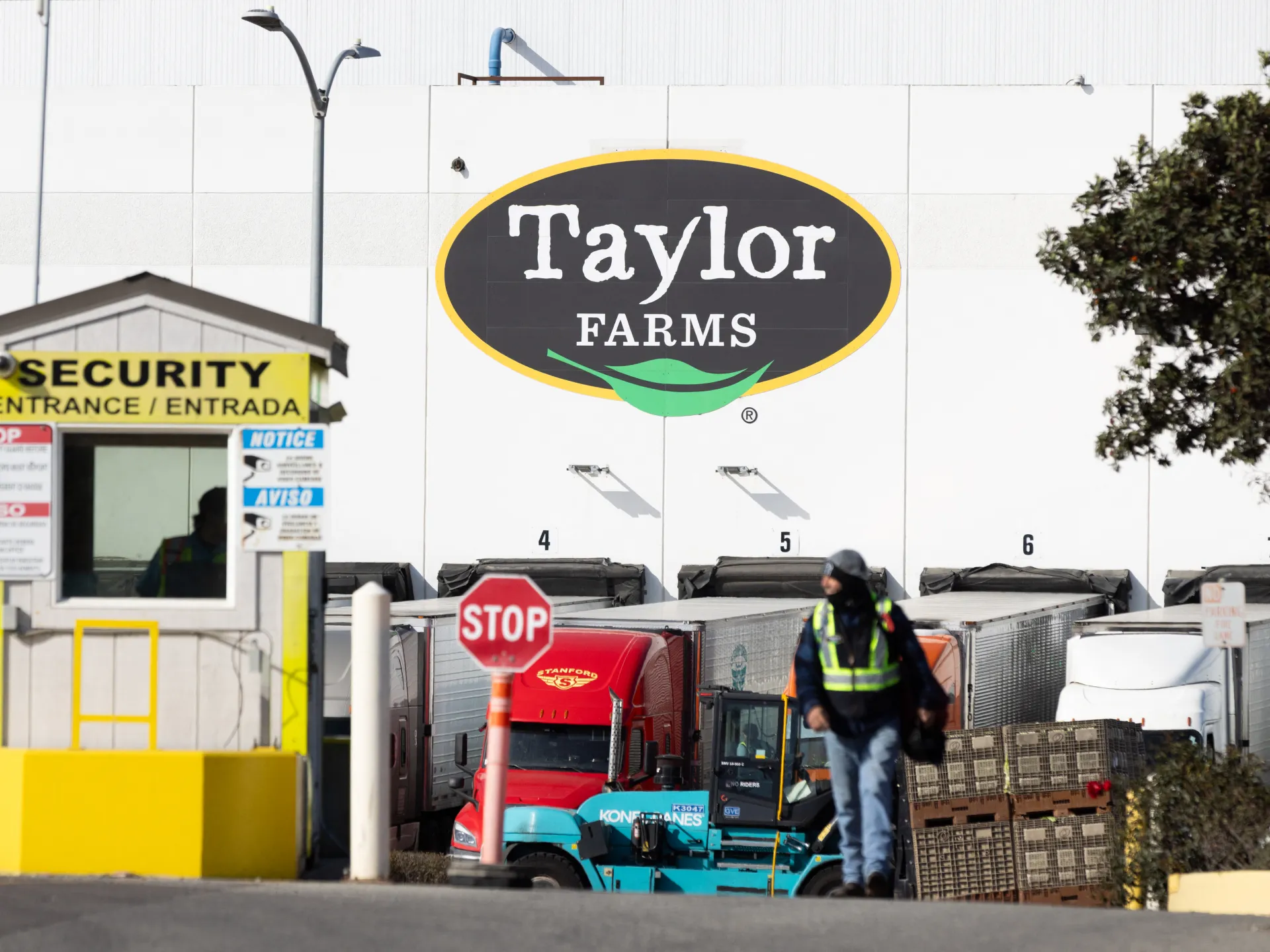
US health authorities have confirmed that a parasitic Cyclospora outbreak has infected more than 4,100 people across the United States, resulting in 308 hospitalisations across 41 states. The US Centers for Disease Control and Prevention (CDC) reported on Tuesday that no deaths have been recorded, but cautioned that the total number of infections is likely to rise as 7,400 suspected cases remain under review.
The illness, caused by the Cyclospora cayetanensis parasite, typically manifests a week after exposure through contaminated food or water. Symptoms include frequent diarrhoea that can persist for weeks. The CDC has linked many of these cases to lettuce produce, prompting a recall on 17 July by US firm Taylor Farms for iceberg lettuce grown in Mexico and exported to American shops and restaurants.
Tensions have emerged between US and Mexican regulatory bodies regarding the origin of the contamination. The US Food and Drug Administration (FDA) and investigators have identified Taylor Farms’ Mexican facilities as the likely source. However, Mexican Secretary of Health David Kershenobich disputed these findings on Tuesday, stating that authorities found no evidence linking the outbreak to the central state of Guanajuato, where investigations are currently focused.
The FDA’s communication regarding the source has been marked by conflicting statements over a short period. On Saturday, the agency confirmed a positive test result for a sample of Mexican lettuce from Taylor Farms. This was retracted on Sunday as a false positive following a data re-review. By Monday, the FDA had reaffirmed that its supply chain investigation continued to point to the company’s Mexican facilities as the source of the parasite.
As the investigation proceeds, the discrepancy between US findings and Mexican assertions highlights the complexities of cross-border food safety governance. With thousands of suspected cases still being assessed, health officials continue to monitor the situation closely while the definitive source of the outbreak remains a point of contention between the two nations.