US and Iranian forces exchange strikes in Gulf escalation
Tensions in the Middle East intensify as US Central Command confirms interception of Iranian ballistic missiles while striking Iranian surveillance infrastructure in retaliation.
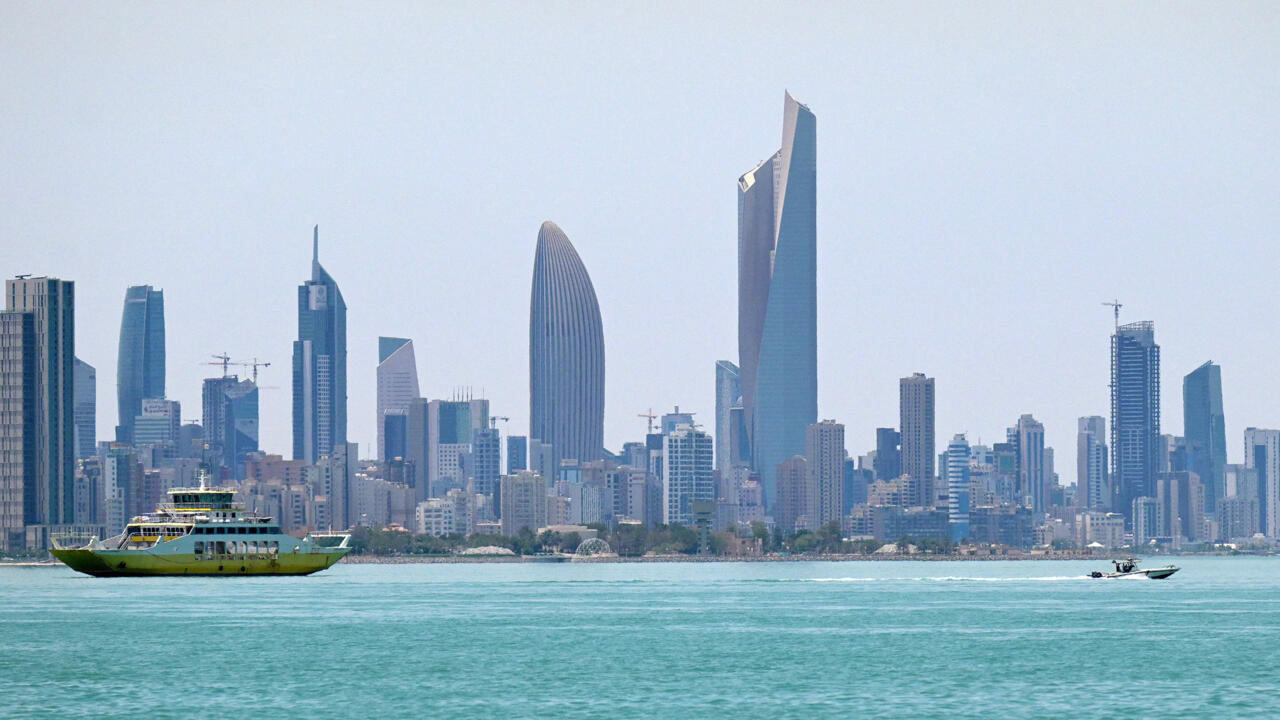
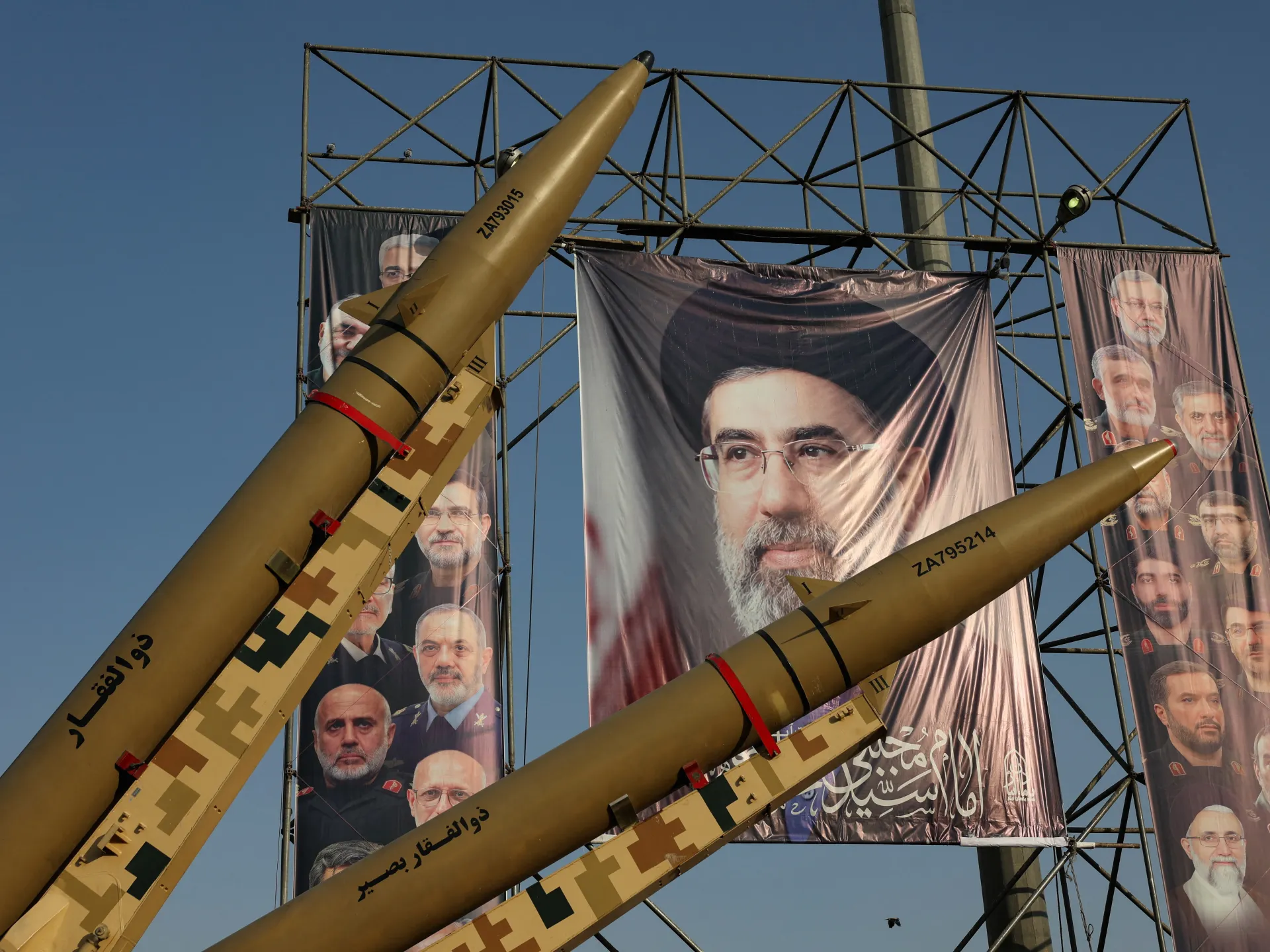
US military officials confirmed on Saturday that Iran launched seven ballistic missiles towards Kuwait and Bahrain, prompting a significant defensive and offensive response from American forces stationed in the region. US Central Command stated that its assets intercepted six of the incoming projectiles, while a seventh missile failed to reach its intended target. The incident marks a sharp escalation in hostilities following earlier engagements near the Strait of Hormuz.
The missile launches occurred hours after US Central Command shot down four Iranian one-way attack drones directed at the strategic waterway. In response to the ballistic missile threat, US forces conducted strikes on Iranian coastal surveillance radar sites located in Goruk and on Qeshm Island. Iranian state media reported that the Revolutionary Guards had invaded Sirik and Qeshm Island, claiming that enemy bases in the region were subsequently hit by aerial missiles.
Kuwait’s military confirmed it was responding to hostile missile and drone attacks early on Saturday, though it did not immediately specify the origin of all incoming fire. The defensive posture of Gulf allies comes amidst a broader deterioration of security conditions in the area, with multiple actors engaging in kinetic operations across the Gulf basin.
The military exchange coincides with recent diplomatic and commercial developments between Washington and its regional partners. On Friday, the United States announced its approval of a $1.98 billion arms sale to Kuwait, which includes the acquisition of counter-drone technology from Anduril, a defence company founded by a supporter of President Donald Trump. This sale underscores the continued deepening of US military support for Gulf states amid rising regional instability.
Concurrent diplomatic friction has also emerged between Tehran and Beirut. Iranian Foreign Minister Abbas Araqchi rejected remarks made by Lebanese President Joseph Aoun on Friday, who alleged that Iran was using Lebanon as a bargaining chip in its negotiations with the United States. Aoun stated that the Lebanese people were paying the price for Tehran’s strategic interests, a claim that Araqchi firmly denied as the security situation in the Gulf continued to deteriorate.