US and Iran negotiate nuclear deal and asset release amid ongoing Gulf clashes
Washington and Tehran remain divided on uranium retention, asset releases, and control of the Strait of Hormuz despite a fragile ceasefire.
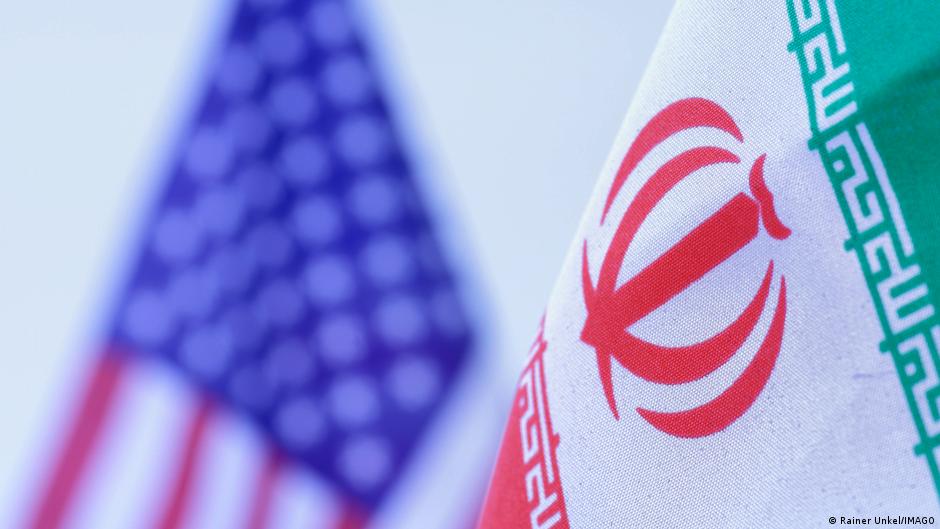
US President Donald Trump has indicated that a memorandum of understanding with Iran could be imminent, describing the potential agreement as a significant diplomatic development following more than three months of conflict. The proposed deal aims to address the core disputes surrounding Tehran’s nuclear programme and the release of frozen assets, although Iranian officials have dismissed reports of an approved draft as speculation.
Central to the negotiations is the handling of approximately 400kg of uranium enriched to 60%. While the United States has reportedly proposed a 20-year moratorium on nuclear activities, Tehran has rejected this in favour of a five-year pause. Iran maintains that its right to enrich uranium is non-negotiable and has proposed downblending the material to lower levels only in exchange for the lifting of US sanctions.
The economic dimension of the talks involves up to $12bn of Iran’s frozen assets, with estimates of total blocked funds reaching $100bn. The US seeks gradual releases for humanitarian purposes and is exploring options to use these funds to compensate Gulf allies for damages incurred during recent hostilities. US Treasury Secretary Scott Bessent has tasked experts with estimating the costs of the escalation to identify viable funding mechanisms.
Third-party involvement is being considered to facilitate a compromise, with Russia offering to take custody of Iran’s highly enriched uranium for secure storage. China has also signalled its willingness to act as a mediator and logistical partner. These measures are intended to bridge the gap between US security concerns and Iranian demands for sovereignty and sanctions relief.
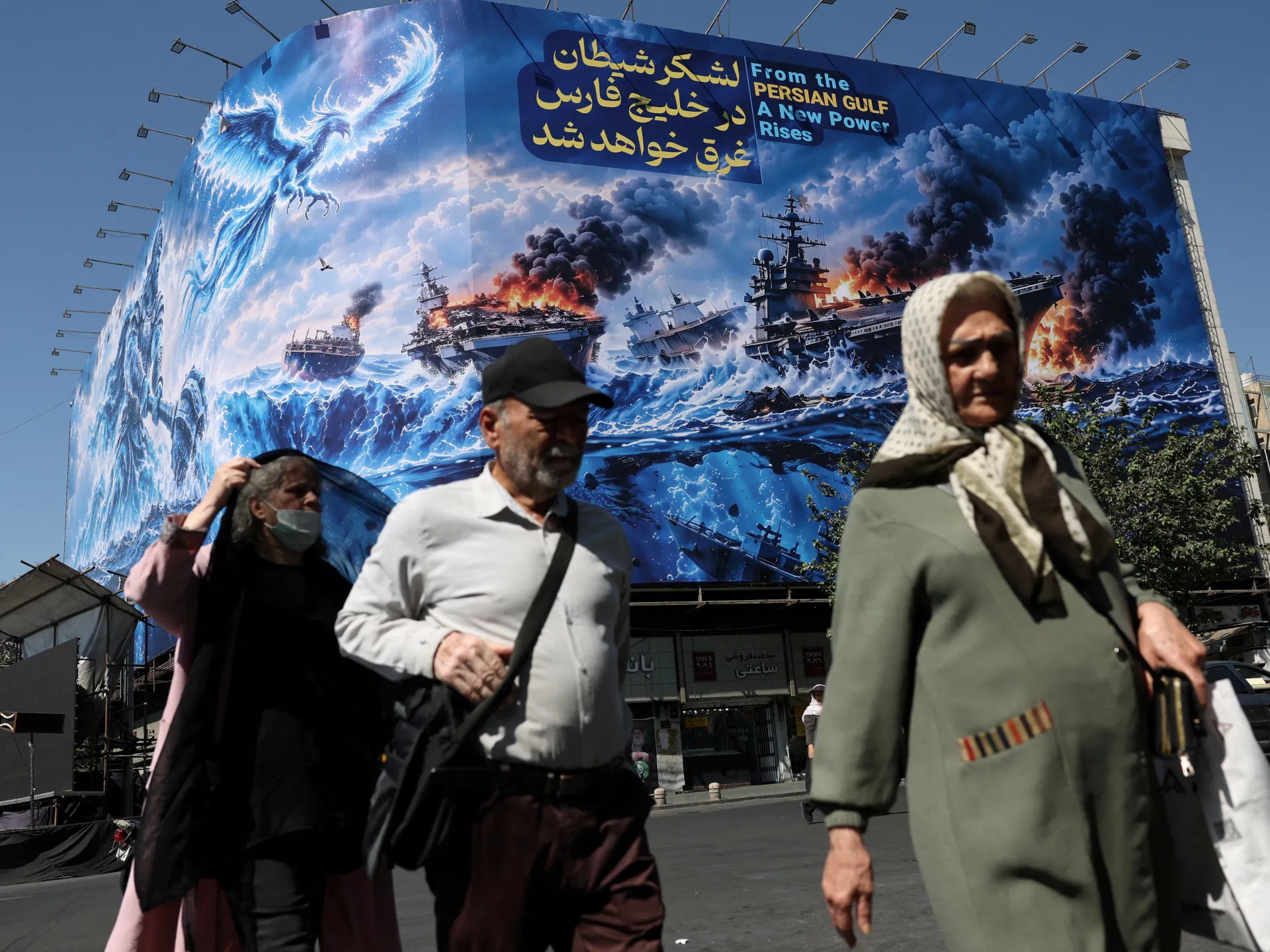
Despite a ceasefire declared on April 8, near-daily military clashes continue in the Persian Gulf. Iran has asserted that it will not cede control of the Strait of Hormuz, rejecting any foreign management of the waterway. The US has conducted operations targeting Iranian coastal positions to weaken its military capabilities, while Iran continues to view the strait as a critical strategic asset.