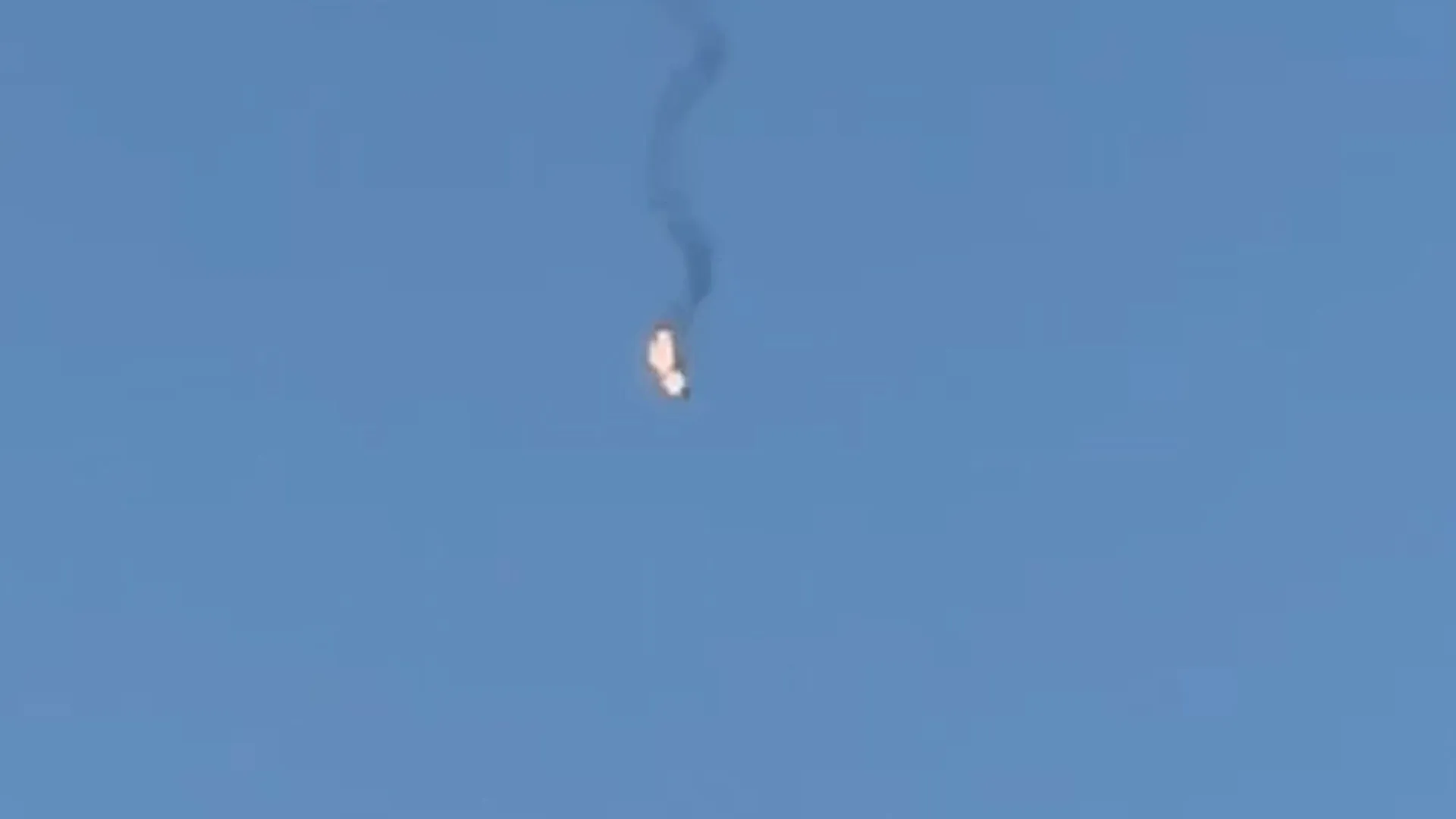
US and Iran escalate military hostilities with strikes across Middle East infrastructure
Casualties mount in Iran as power outages spread, while Iran targets military installations in Bahrain, Qatar, Oman, Kuwait, Jordan and Syria
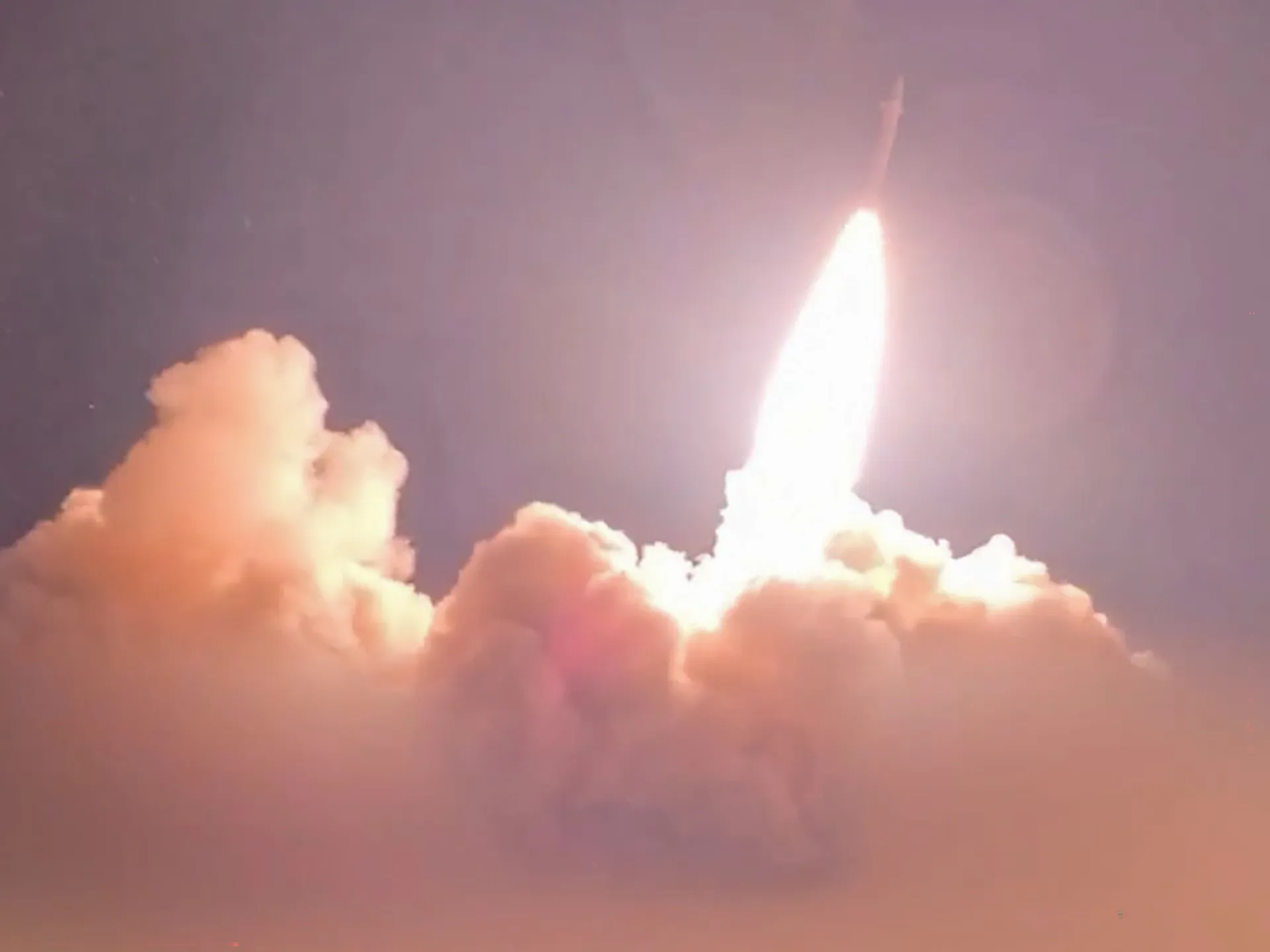
The United States has conducted its sixth consecutive night of airstrikes on southern Iran, targeting critical infrastructure in Hormozgan province and causing significant power outages and casualties. The US Central Command (CENTCOM) confirmed the completion of its latest major wave of attacks at 01:40 GMT on Friday, marking a sustained escalation in military operations following the collapse of diplomatic negotiations.
Iranian media reports indicate that US forces struck at least six bridges, a railway station, and power lines in the southern region. The Ministry of Energy confirmed damage to power lines in Bandar Abbas and surrounding villages, resulting in widespread electricity outages across southern Iran. Iranian officials reported that at least eight people were killed and several others injured in these overnight strikes, bringing the total death toll to 38 since talks began in Switzerland on 22 June.
In retaliation, Iran’s Islamic Revolutionary Guard Corps (IRGC) launched a 13th wave of missile and drone strikes against US military assets and radar installations across the region. The IRGC claimed to have destroyed a US air control radar in Oman’s Ghanim region and a maritime control radar in the Strait of Hormuz. Additionally, the IRGC stated it attacked a US special operations command centre at the al-Tanf military base in Syria, citing retaliation for the killing of Iranian soldiers in Iranshahr.
Several Gulf states and regional partners reported incoming projectiles, though most were intercepted. Qatar’s Ministry of Defence confirmed that all incoming projectiles, including at least one missile, were intercepted, but the Ministry of Interior reported one child injured by falling shrapnel in Doha. Jordan’s army shot down three Iranian missiles without casualties, while Bahrain activated air raid sirens and urged calm. In Kuwait, the IRGC claimed strikes on a US base, targeting a missile defence radar, weapons depots, and two HIMARS launchers.
Tensions have been further complicated by political friction, with US Vice President JD Vance alleging on a podcast that members of the Israeli government attempted to influence US public opinion to oppose a diplomatic deal with Iran. Iranian military spokesperson Ebrahim Zolfaghari declared that the Strait of Hormuz would never return to its previous state, accusing the US of destabilising the waterway during what he described as a 40-day war.