US and Iran escalate hostilities with reciprocal strikes and diplomatic breakdown
A sharp reversal in diplomatic posture sees Washington launch airstrikes while Tehran targets Bahrain, Kuwait, and Jordan in a widening conflict.
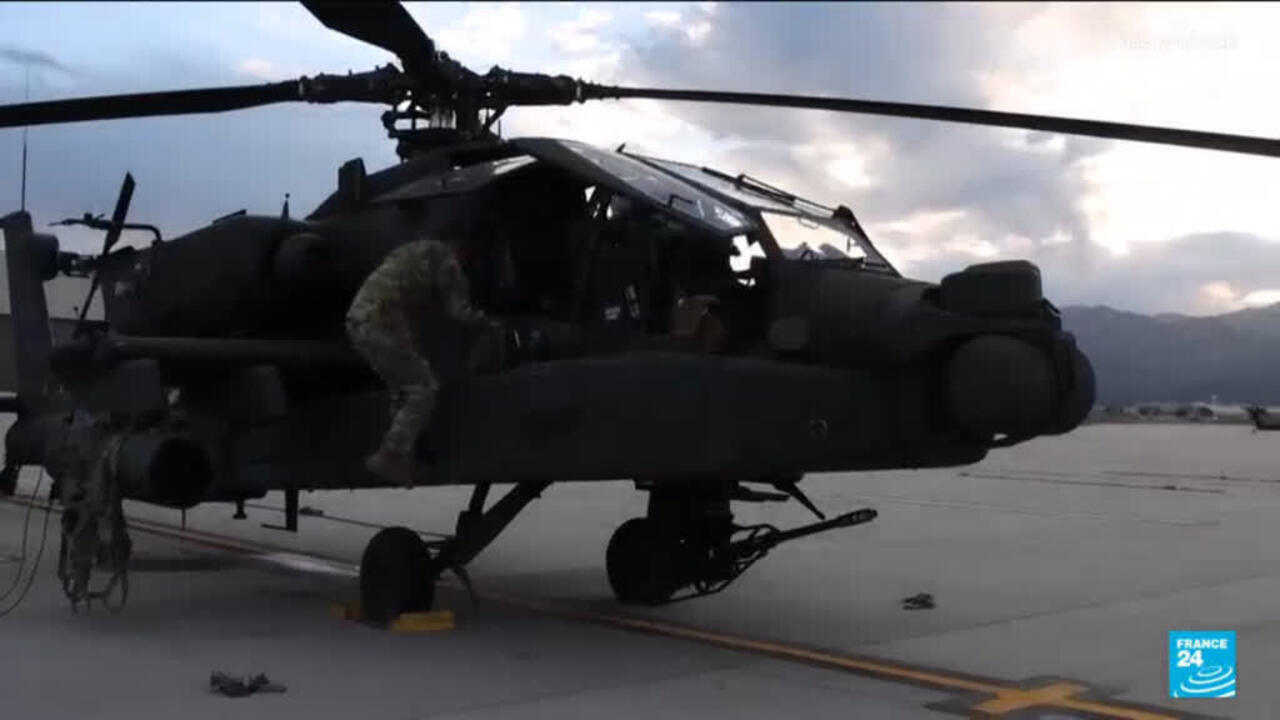
The United States launched airstrikes against Iran early Wednesday, citing Tehran’s responsibility for the crash of an American attack helicopter. The military action marks a significant deterioration in relations, occurring just hours after Iran retaliated by firing at Bahrain, Kuwait, and Jordan. The escalation threatens to derail ongoing diplomatic efforts in the region, replacing a brief period of engagement with immediate kinetic conflict.
The trigger for the US response was the reported downing of a US Army AH-64 Apache helicopter over the Strait of Hormuz on Monday night. While the specific mechanics of the crash remain under review, the United States attributed the incident directly to Iranian forces. This attribution provided the justification for the early Wednesday strikes, which targeted Iranian assets in response to what Washington described as an unprovoked attack on its military personnel.
In a stark departure from the diplomatic tone held earlier in the week, US President Donald Trump shifted his public stance on Truth Social on Wednesday. He stated that Iran was taking “too long to negotiate a deal” and warned that Tehran would have to “pay the price.” This comment followed a meeting with Chinese President Xi Jinping in Beijing on Tuesday, where discussions had covered trade, artificial intelligence, and security in the Strait of Hormuz, suggesting a complex geopolitical backdrop to the sudden military escalation.
The diplomatic landscape has fractured rapidly. On Tuesday, President Trump had told journalists that the United States and Iran were in the “final throes” of a “very, very good deal.” By Wednesday, however, he claimed that Iran’s military capabilities were “completely defeated” and asserted that the country’s Navy and Air Force “doesn’t even exist anymore.” This rhetorical shift underscores the collapse of the negotiation framework that appeared to be nearing completion only 24 hours prior.
Iran’s retaliation involved firing at three specific regional partners of the United States: Bahrain, Kuwait, and Jordan. The nature of the ordnance used in this counter-strike was not specified in available reports, but the targeting of these nations indicates a broadening of the conflict beyond direct US-Iranian engagements. The incident highlights the fragility of security arrangements in the Middle East, with diplomatic channels effectively suspended amidst reciprocal military actions.
Separate commentary from former Ukrainian foreign minister Dmytro Kuleba, while not directly related to the Middle East crisis, noted the ineffectiveness of Trump’s broader diplomatic approach regarding Russia. Kuleba argued that there is currently no window for a diplomatic solution in Ukraine, a perspective that may reflect wider skepticism regarding the efficacy of the current US administration’s conflict resolution strategies across multiple theatres.
The rapid transition from high-level diplomatic engagement to military strikes leaves the status of any potential agreement in limbo. With US forces now engaged in active combat operations and Iran targeting regional allies, the immediate focus has shifted from negotiation to containment and retaliation. The international community now faces the challenge of managing an escalating conflict that has moved swiftly from the negotiating table to the battlefield.