US and Iran agree to reopen Strait of Hormuz amid complex mine clearance challenges
Experts warn that while navigation has resumed, shipping traffic will not return to pre-war levels until insurers are satisfied that the waterway is free of underwater explosives.
The United States and Iran have signed a framework agreement aimed at ending the US-Israel war on Iran and reopening the Strait of Hormuz, a critical global energy chokepoint. Under the terms of the deal, Iran is required to clear any naval mines from the waterway within 30 days as a condition for restoring full navigation. France and the United Kingdom are leading the demining effort, with backing from allies including Germany, Italy, Japan, and Canada.
While navigation through the strait has picked up since the agreement was signed, experts caution that shipping traffic will not immediately return to pre-war levels. The conflict, which began on 28 February, saw Iran threaten to deploy naval mines to block passage, leveraging the strait to trigger a global energy crisis. Although Tehran has not confirmed whether its forces actually planted mines, the threat alone has driven up insurance costs and disrupted trade.
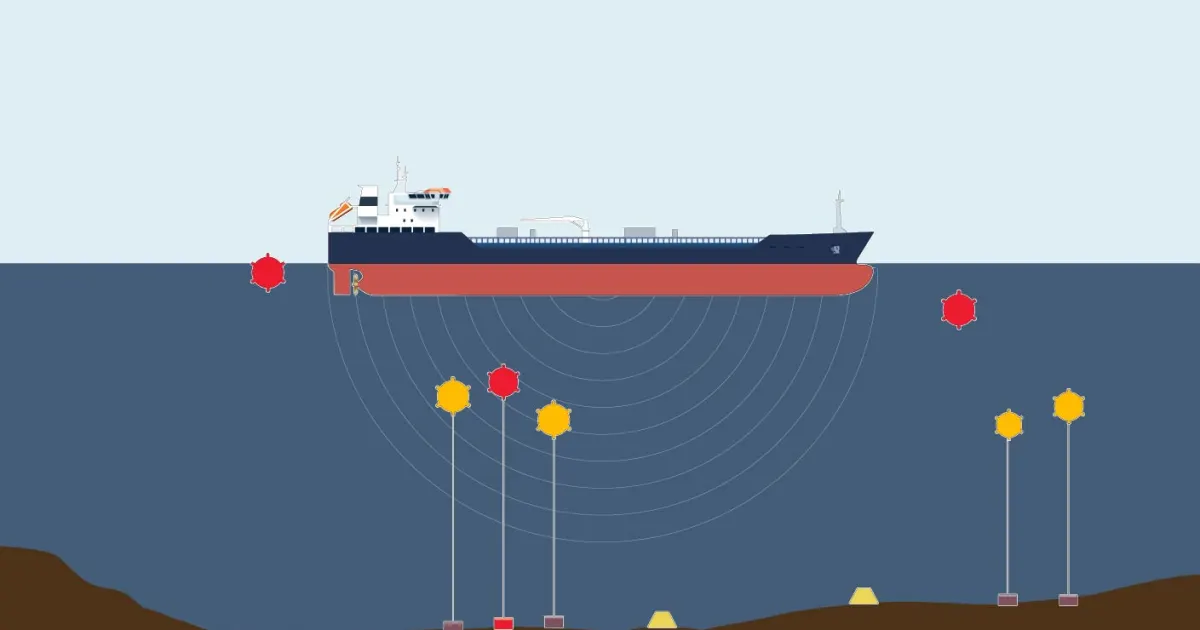
Naval mines are underwater explosives that are relatively cheap to produce but costly and difficult to locate and remove. They come in various forms, including bottom mines that rest on the seabed, moored mines anchored just below the surface, drifting mines that move with currents, and limpet mines attached directly to ship hulls. A handful of mines can force vessels to reroute, shutting down busy waterways and deterring operators due to the high risk of damage to supertankers and cargo ships worth hundreds of millions of dollars.
The process of clearing mines, known as mine countermeasures, is a slow and high-risk operation. The US and allied navies increasingly rely on underwater drones, robots, and helicopters equipped with mine-hunting sensors to scan the seabed. Operators must distinguish actual explosives from environmental clutter such as rocks, debris, and wreckage, which can resemble mines on sonar screens. Once identified, devices can be neutralised by controlled detonation, deactivated by specialist divers, or triggered and cut loose using towed equipment.
Proving there are no more mines is significantly harder than finding them, meaning operations could continue for weeks after the reopening agreement. Every shipping lane must be searched repeatedly before insurers and shipping companies consider the area safe. Unlike missiles, which strike immediately, mines force ships to assume the open sea is an attack waiting to happen, making the clearance process a prolonged barrier to restoring normal maritime trade volumes.