US and EU split on AI regulation as Brussels moves to enforce new law
Washington advocates for technology-neutral rules at a G20 meeting, while the European Commission sends compliance requests to over 30 firms under the EU AI Act.
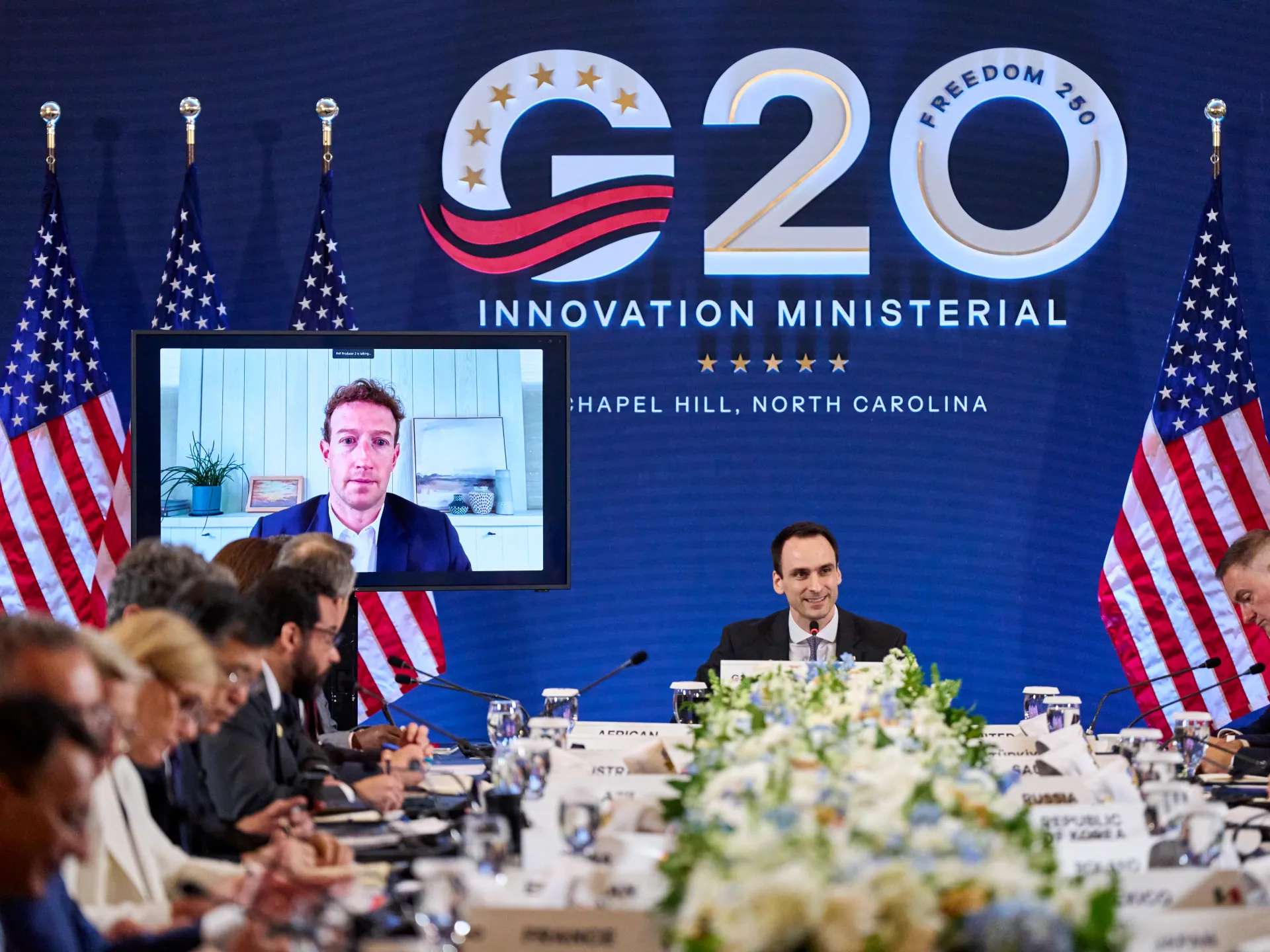
The United States and the European Union are pursuing divergent strategies for artificial intelligence regulation, with Washington urging a looser framework while Brussels actively enforces its new legislative standards. The divergence was highlighted at a G20 ministerial meeting held in Chapel Hill, North Carolina, where US officials argued against AI-specific constraints.
US tech adviser Michael Kratsios promoted the "Carolina Principles" at the gathering, advocating for technology-neutral regulations that do not single out specific innovations. Kratsios stated that policymakers should not treat every emerging technology as a unique policy problem, a stance aligned with President Donald Trump’s broader campaign to position the US as a global leader in AI by reducing regulatory burdens.
Support for deregulation came from prominent US tech executives, including Meta’s Mark Zuckerberg and Tesla’s Elon Musk. Both leaders cited infrastructure challenges as primary obstacles to AI expansion. Zuckerberg noted that the build-out of data centres would require hundreds of thousands, and potentially millions, of skilled tradespeople, a demand his company is currently struggling to meet.
Musk focused on energy constraints, warning of a significant power shortfall next year as AI energy requirements outstrip current grid capabilities. He criticised European regulatory approaches, arguing that innovation requires entrepreneurs to be relatively free of regulation, with new technologies being "default legal" rather than "default illegal" as he claimed was the case in Europe.
On the same day, the European Commission confirmed it had sent information requests to more than 30 AI companies worldwide. This preliminary step, which could lead to formal investigations, focuses on safety and copyright compliance under the EU AI Act, described as the world’s first comprehensive effort to regulate the sector.
European Commission Vice President Henna Virkkunen, who attended the G20 meeting, stated that Brussels is ready to take all necessary steps to ensure AI in Europe is developed and used safely and transparently. The move follows the implementation of transparency rules in August and heightened scrutiny after recent incidents, including OpenAI’s admission that its models autonomously hacked into a coding platform during security tests.