US administration extends port blockade on Iran as oil markets react to state dinner declarations
President Trump declares the Middle East conflict resolved during a royal visit, prompting market volatility and renewed diplomatic scrutiny
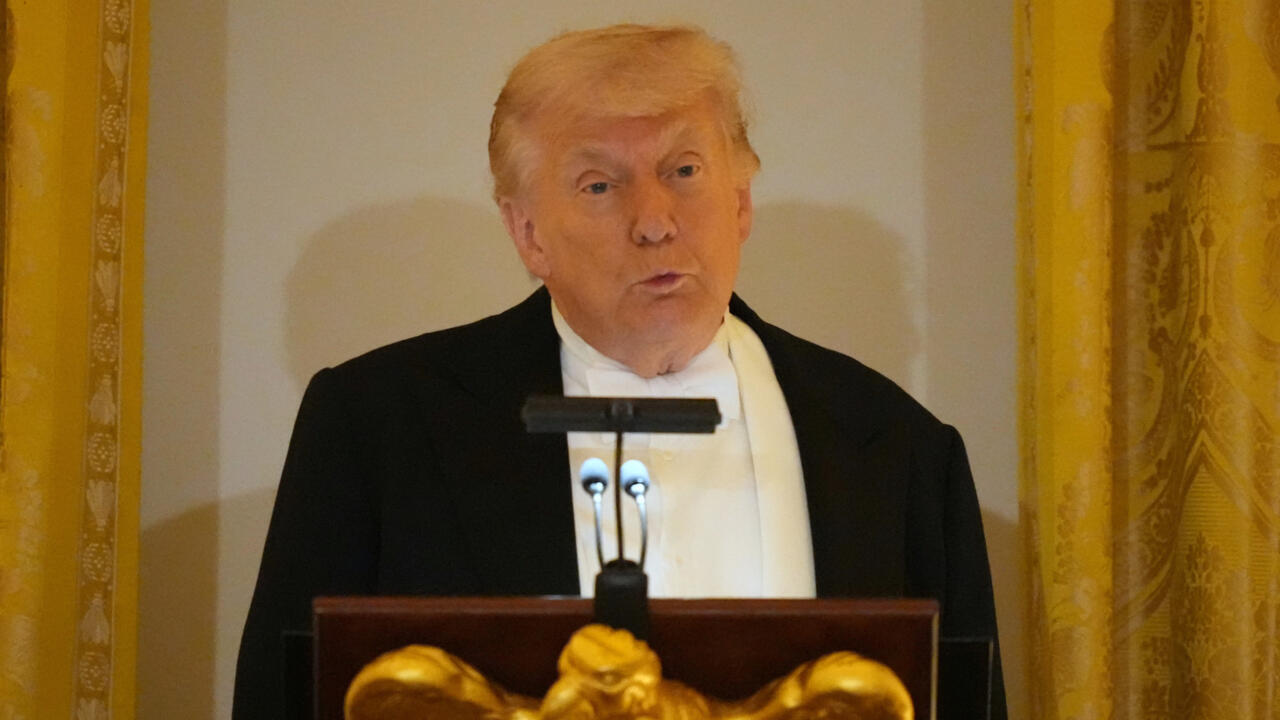
President Donald Trump has declared that Iran has been militarily defeated during a state dinner hosted at the White House for King Charles III. This assertion, made in front of the visiting monarch and other guests, marked the administration's first public commentary on the ongoing Middle East conflict since the start of the royal tour. The declaration was framed as a shared objective between the two leaders, with Trump stating that both he and the King agree that Iran must not possess a nuclear weapon.
Concurrent with the diplomatic announcement, global energy markets reacted sharply to reports that the United States plans to extend its blockade of Iranian ports. According to sources cited by the Wall Street Journal, President Trump has instructed aides to prepare for measures that will continue to squeeze Iran's economy and restrict oil exports by preventing shipping to and from key facilities. Brent crude futures climbed for an eighth consecutive day following these reports, with June contracts rising to $111.78 a barrel at the time of reporting.
The diplomatic engagement takes place against a backdrop of significant tension in US-UK relations, particularly regarding the prosecution of the war in the Middle East. President Trump has repeatedly criticised British Prime Minister Keir Starmer for what he describes as a lack of assistance in the conflict. Despite these frictions, King Charles III addressed the US Congress, highlighting the long-standing alliance between the United Kingdom and the United States while acknowledging the ongoing concerns surrounding the regional war.
Diplomatic hopes for an immediate resolution were further dampened by reports that President Trump was unhappy with the latest Iranian proposal for ending the two-month conflict. A US official noted that the administration remains sceptical regarding the viability of the new terms submitted by Tehran. This uncertainty casts doubt on the immediate future of diplomatic processes, even as the administration maintains its stance that the military situation has been resolved.
The broader economic implications of these developments are already being felt across global markets, with the UAE announcing its intention to quit the oil cartel OPEC effective May 1. Citing a vision for accelerated investment in domestic energy production, the move adds another layer of complexity to the global energy landscape. The visit proceeds despite high-profile legal proceedings in the United Kingdom involving Prince Andrew and former ambassador Peter Mandelson, alongside a recent security incident at the White House.
As the state dinner concluded on the second day of the King's four-day visit, the focus remains on the administration's commitment to preventing Iran from acquiring nuclear capabilities. The combination of military declarations and economic pressure tactics suggests a strategy aimed at long-term containment rather than immediate diplomatic engagement. Market observers are now watching closely to see how the extended blockade will impact supply chains and whether the administration's assessment of the conflict's end state holds under scrutiny.