Unverified ‘house of sisters’ claims deepen Syria’s sectarian fears
Claims that Syrian women are being kidnapped and forced to convert to Islam remain unconfirmed, but have intensified fears among Alawites and fuelled communal tensions.
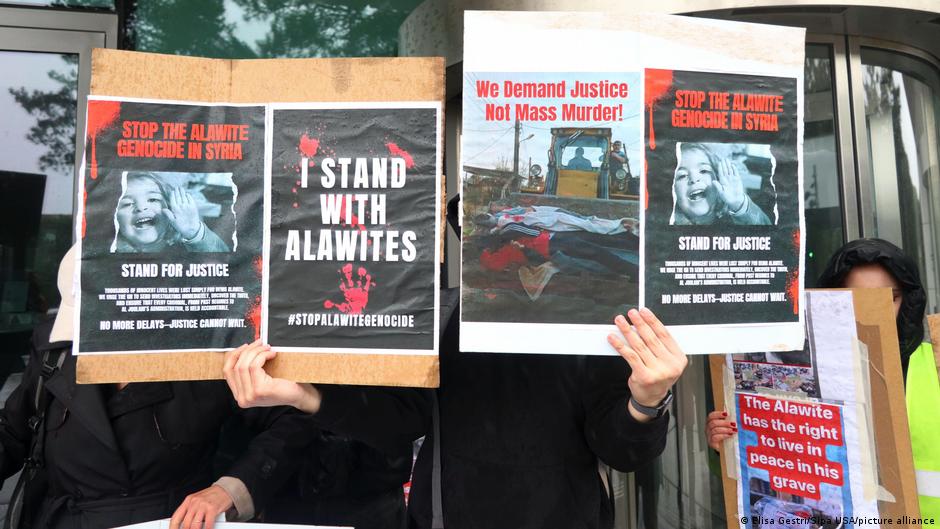
Unverified claims about a so-called “house of sisters” are deepening sectarian fears in Syria, despite no confirmation that the alleged facility exists. The claims allege that women from minority communities are being kidnapped and forced to convert to Islam.
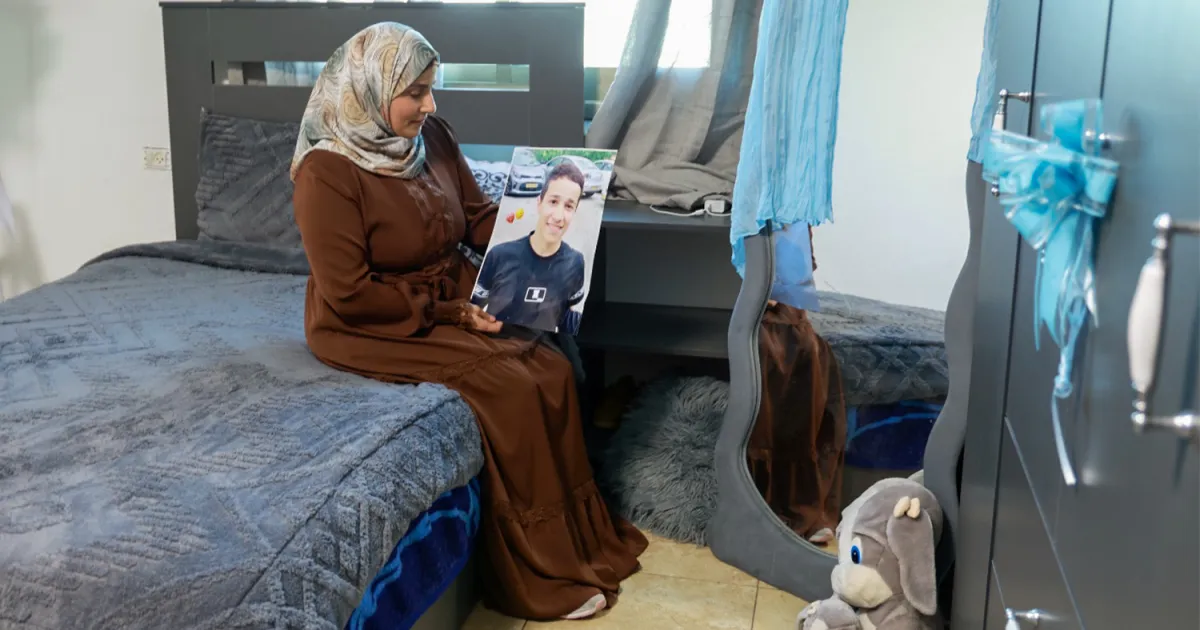
The story gained traction after Alawite university student Batoul Alloush was reported missing and later returned, saying she had converted to Islam and left her family. Her parents allege she was drugged or coerced, while the circumstances of her departure remain disputed.
Investigators and rights organisations have referred to between 40 and 60 cases involving missing women, but Deutsche Welle’s reporting found that the number and nature of the cases have not been conclusively established. Some disappearances have reportedly involved ransom, revenge or forced marriage, while others were linked to family conflict, relationships or attempts to leave home.
A spokesperson for Syria’s Ministry of Social Affairs told Deutsche Welle that no facility called the “house of sisters” had been licensed and that any unlicensed centre of that nature would be shut down. Verify-Sy also reported that images said to show the facility were generated using artificial intelligence.
The claims have nevertheless gained political force online. Analysts cited by Deutsche Welle said the narrative may be used to isolate Alawites, discourage engagement with the Syrian government and Sunni communities, and amplify fears within minority communities. Assertions by overseas groups linking the alleged facility to organised conversion and “demographic engineering” were not independently substantiated.
The impact varies across Syria, with relations between communities shaped by local conditions. Analysts said economic recovery and everyday contact between communities could help reduce the influence of disinformation, while the underlying cases of missing women still require fuller investigation.