Unsold seats and exorbitant costs highlight governance challenges for 2026 World Cup ticketing
FIFA's dynamic pricing model and legalisation of secondary market resales face scrutiny as the tournament approaches.
With fewer than 40 days remaining until the 2026 FIFA World Cup, tournament organisers are reporting persistent difficulties in selling tickets for group-stage matches. This comes despite the introduction of a final 'last-minute sales' phase designed to cover all 104 matches on a first-come, first-served basis. The data indicates that while demand exists, the pricing structure continues to leave substantial inventory unsold.
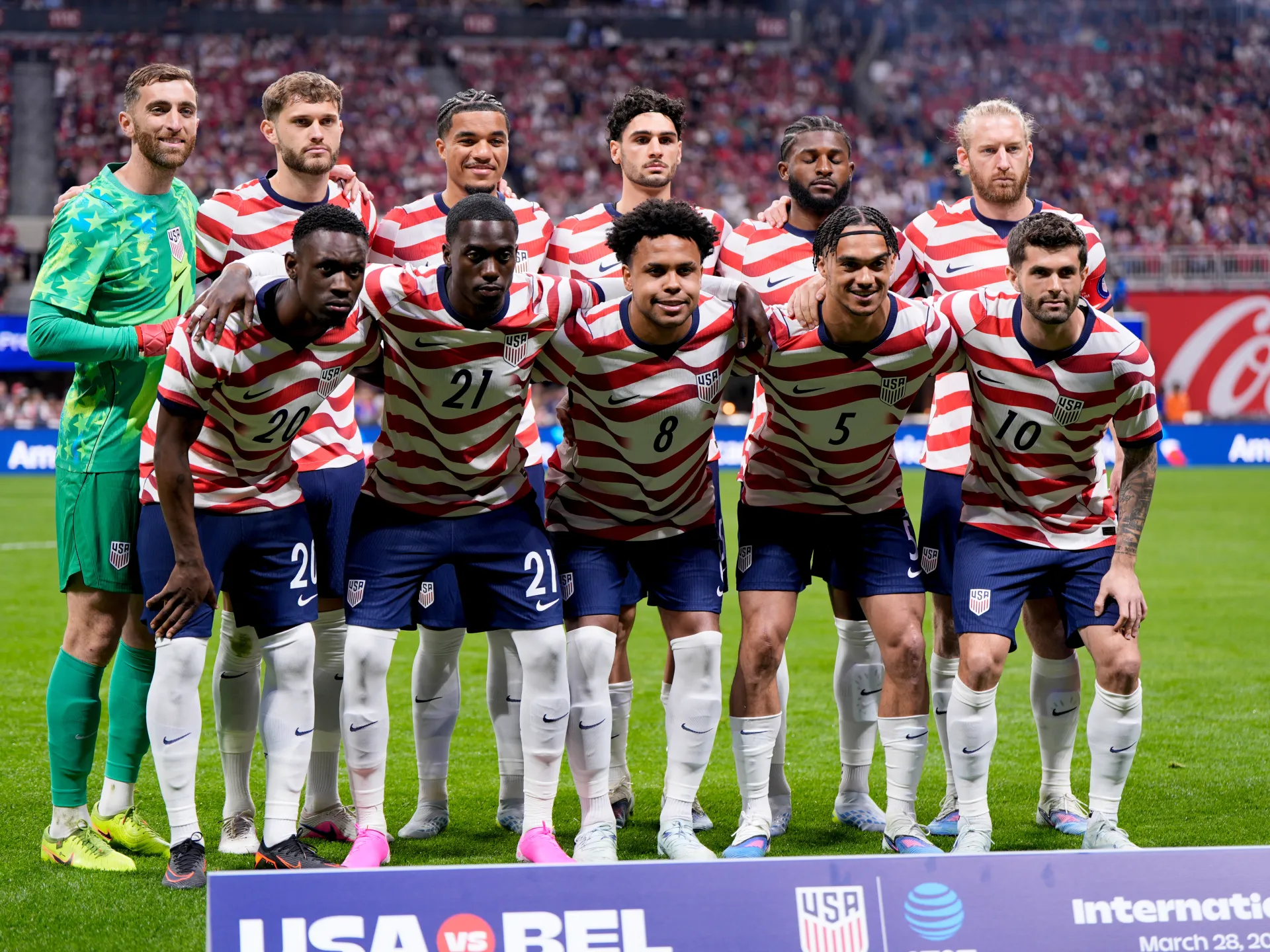
The opening match between the United States and Paraguay in Los Angeles serves as a primary example of this trend. Tickets for this fixture are listed with general sale prices starting at $1,120, with many priced around $2,000, while hospitality packages reach up to $6,050 per seat. FIFA has confirmed that the USA vs Paraguay opener is currently the most expensive group-stage game available for general sale, standing in stark contrast to other fixtures.
While 17 group-stage games have reached sold-out status, including the tournament opener between Mexico and South Africa, the majority of the schedule remains open. Seven specific matches still offer general sale tickets at $380, including fixtures such as Austria vs Jordan and New Zealand vs Egypt. However, the high price point for the co-hosts' opening game suggests a significant disparity in accessibility across the tournament.
Critics, including former Liverpool chief Peter Moore, have condemned the pricing strategy employed by the governing body. Moore highlighted that FIFA takes a 30 per cent cut from dynamic pricing and noted the legalisation of secondary market resales in the US as key factors driving costs. He argued that this model effectively prices fans out, contrasting the approach with the Super Bowl model familiar to many Americans but less accepted globally.
This situation contradicts earlier assertions made by FIFA President Gianni Infantino in January, who stated that demand for tickets would be equivalent to "1,000 years of World Cups at once". The current availability of unsold seats at exorbitant rates challenges the narrative of overwhelming demand and raises questions about the governance of the ticketing system.
As the tournament scheduled to commence on 11 June 2026 draws nearer, the focus remains on whether the final sales phase will result in a sell-out or if the current pricing architecture will continue to limit access for international supporters.