UNRWA raid signals shift from diplomatic dispute to territorial consolidation
The storming of the Qalandiya Training Centre by Israeli forces marks a decisive break from previous institutional frameworks, embedding refugee agency operations within a broader strategy of municipal expansion.
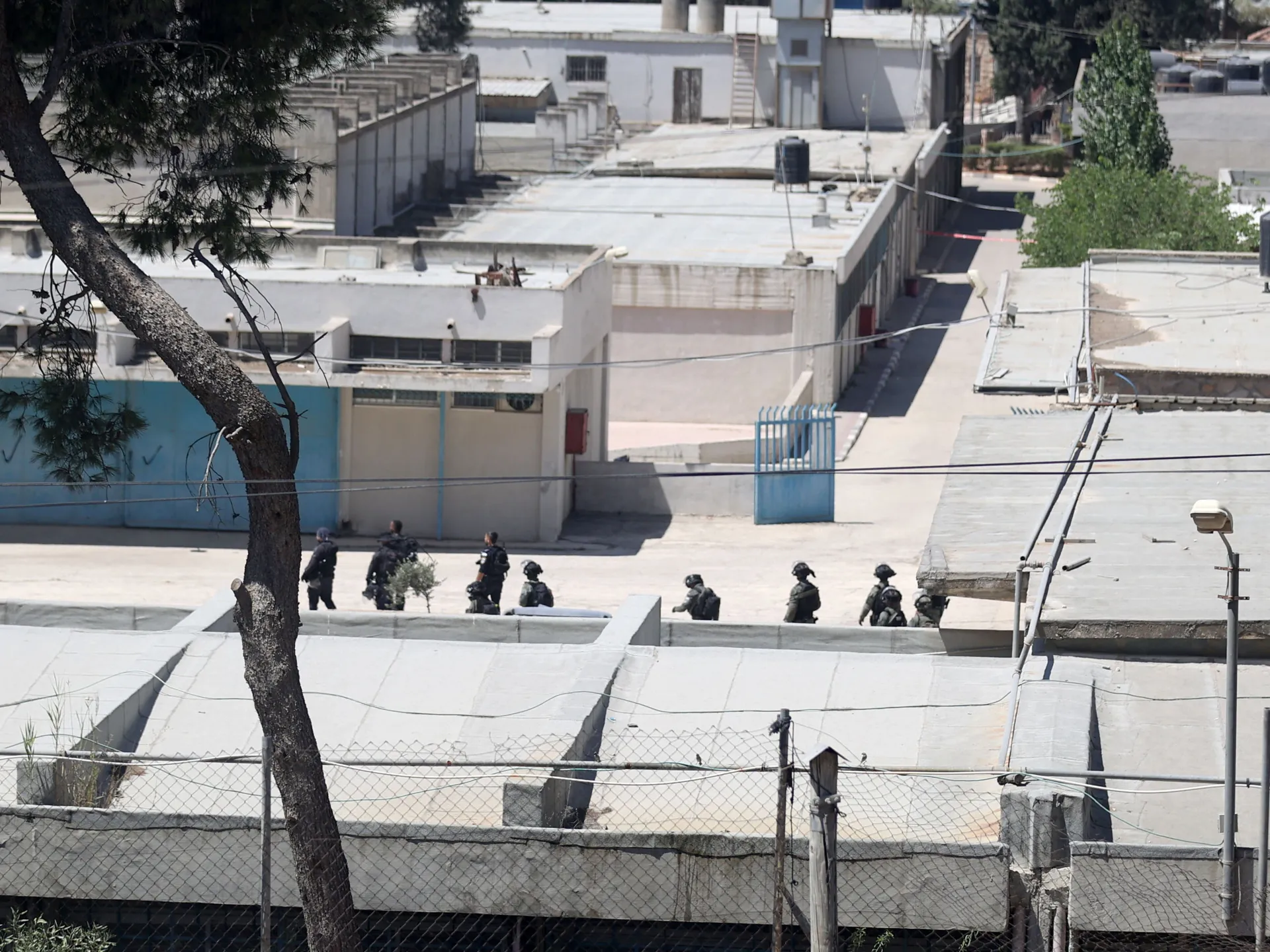
Israeli forces, led by National Security Minister Itamar Ben-Gvir, raided the United Nations agency for Palestinian refugees (UNRWA) Qalandiya Training Centre in occupied East Jerusalem on Tuesday. The incursion was justified under October 2024 legislation that banned the agency, a move described by officials and analysts as a pivotal step towards dismantling international refugee protections and consolidating control over the occupied West Bank.
The strategic significance of the site extends beyond the immediate seizure of the facility. The training centre is directly adjacent to the historic Qalandiya Airport, built more than 106 years ago. According to Israeli affairs expert Adel Shadid, the objective is to gain complete control over the airport to establish a massive settlement comprising over 9,000 units and a Jewish heritage centre. This expansion is central to the "Greater Jerusalem" project, which would carve out between 12 and 13 percent of the total West Bank area, allowing municipal control over a region exceeding 800 square kilometres.
UNRWA condemned the action as unprecedented, noting that the agency was not informed in advance of the operation. Media adviser Adnan Abu Hasna stated that the lowering of the UN flag and the takeover of the headquarters represented a dangerous escalation against international humanitarian law. The agency cited the bilateral agreement signed on 14 June 1967, which previously provided for the protection of UNRWA facilities and employees, granting them immunity and privileges.
The institutional pressure on UNRWA is compounded by a severe financial crisis. Abu Hasna noted that the agency faces a large deficit following a $360m budget cut by the United States, a reduction that constitutes approximately 30 percent of the agency’s annual budget. This defunding campaign, driven by the Trump administration and Republican lawmakers, has intensified the agency's operational challenges alongside the physical raids on its compounds.
Military analyst Elias Hanna linked the raid to a broader tactical encirclement of urban Palestinian hubs. He explained that the settlement project aims to create blocs that control geographical continuity, effectively isolating Palestinian areas from one another. The control over the Qalandiya area specifically affects movement and connection between Jerusalem and Ramallah, further fragmenting the West Bank.
The operation also highlights the deepening alignment between state forces and armed settlers. Israeli affairs specialist Anas Abu Arqoub described a "division of roles" where settler groups, often composed of elements from the Israeli army, operate with a clear leadership hierarchy and military combat doctrine. He noted that the Institute for National Security Studies has observed that these forces have become capable of executing ethnic cleansing under the cover of "loss of control," a dynamic that Professor Ghassan Khatib of Birzeit University attributes to the decisive role of Washington in enabling these actions.