Unrest at DR Congo Ebola Hospital Highlights Governance and Trust Deficit
Violent protests at Rwampara General Hospital underscore the challenges of managing a public health emergency in Ituri province, where authorities face deep-seated scepticism regarding the virus and international aid efforts.
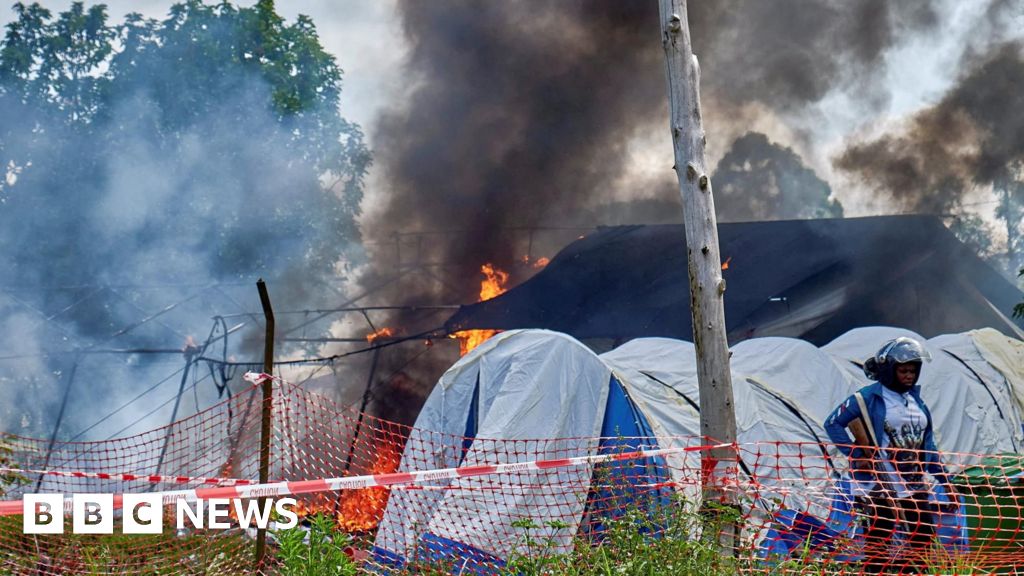
Tensions surrounding the Ebola response in the Democratic Republic of Congo escalated into violence at Rwampara General Hospital in Ituri province, where an angry crowd set fire to isolation ward tents after grieving relatives were denied the burial of a suspected victim. The incident, which occurred near the city of Bunia, resulted in injuries to a healthcare worker and prompted police to fire warning shots to disperse the protesters. The unrest highlights a critical breakdown in community trust, with local residents expressing disbelief in the virus and accusing health organisations of fabricating the crisis for financial gain.
The deceased, identified as a popular local footballer, was prevented from being taken by his family for traditional burial due to safety protocols mandated by the World Health Organization. His mother told news agencies she believed her son had died of typhoid fever rather than Ebola. Jean Claude Mukendi, who is coordinating the security response in Ituri, noted that many residents do not grasp the reality of the disease, while local politician Luc Malembe Malembe reported that the crowd threw projectiles at the hospital before igniting the tents used for isolation.
The violence has exposed significant vulnerabilities in the security and medical infrastructure managing the outbreak. Medical workers at the hospital were placed under military protection as law enforcement moved to restore order. Although witnesses reported that six patients previously treated in the burned tents may have fled during the chaos, the medical charity Alima, which ran the facility, confirmed that all patients are accounted for and are currently receiving care at the hospital.
The incident occurs against the backdrop of a worsening Bundibugyo Ebola outbreak, which has killed over 130 people in eastern DRC. The World Health Organization has declared the outbreak a Public Health Emergency of International Concern, citing high national and regional risk. While the WHO reported 139 deaths from 600 suspected cases on the same day, Congolese Health Minister Samuel Roger Kamba stated that authorities had registered 159 deaths, indicating a discrepancy in data reporting and the fluid nature of the crisis.
Containment efforts are further complicated by the spread of the virus into neighbouring regions and countries. Uganda has suspended flights, buses, and river ferries on the Semliki River border after detecting two cases. Meanwhile, the M23 rebel group, which controls parts of South Kivu province, confirmed the first Ebola case in the region involving a 28-year-old traveller from Kisangani. The group has stated it will cooperate with international partners, raising concerns about access for health workers in areas under rebel control.
The Bundibugyo species of Ebola currently has no approved vaccine, with the WHO estimating it could take up to nine months for a jab to be ready. This lack of medical countermeasure places greater emphasis on non-pharmaceutical interventions, such as safe and dignified burials, which remain a primary point of contention with local communities. The outbreak has also disrupted national activities, with the DRC national football team cancelling its pre-World Cup training camp in Kinshasa.
As authorities struggle to manage both the epidemiological and social dimensions of the crisis, the burning of hospital infrastructure in Ituri serves as a stark indicator of the difficulties in implementing public health policy in regions characterised by misinformation and limited state presence. The international community continues to monitor the situation, particularly as the virus moves into areas with complex security dynamics.