UN envoy warns Gaza faces permanent division as ceasefire stalls
Nickolay Mladenov tells the UN Security Council that reconstruction financing is contingent on Hamas laying down arms, warning of a fractured territory where millions remain trapped in rubble.
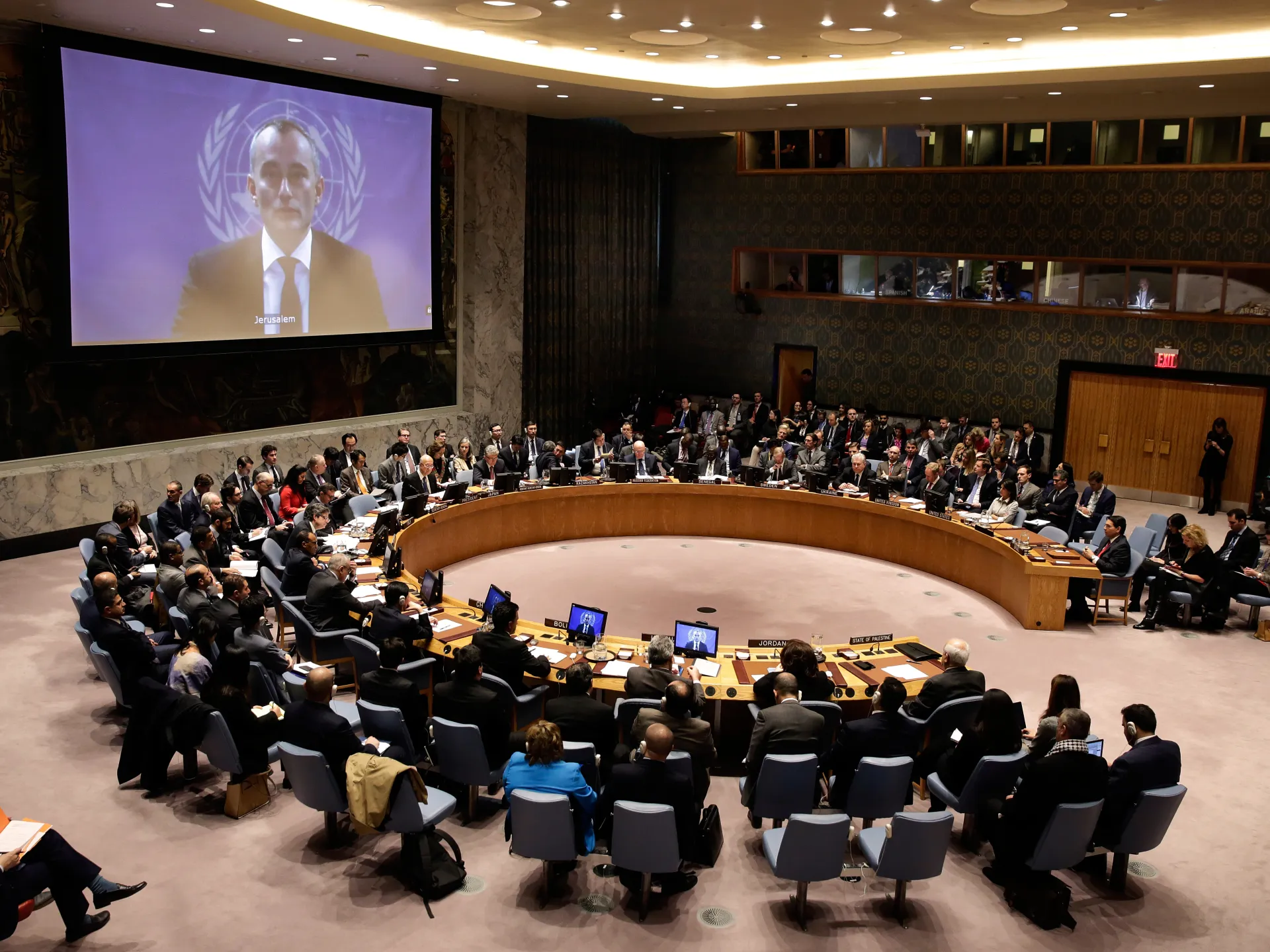
Nickolay Mladenov, the high representative for the US-founded Board of Peace for Gaza, has warned the United Nations Security Council that the deteriorating situation in Gaza risks becoming a permanent divide. Speaking via video call on 21 May, Mladenov presented a roadmap requiring Israel to uphold its October ceasefire commitments and Hamas to disarm, urging the council to use every means at its disposal to enforce these obligations.
Mladenov emphasised that implementation cannot advance through Palestinian obligations alone, noting that continued killings and Israeli restrictions on humanitarian flows are not abstract issues. He stated that reconstruction financing would not follow unless weapons were laid down, warning of a scenario where millions remain trapped in rubble and Gaza is divided, with Hamas holding control over less than half the territory.
The warning coincides with reports of accelerated Israeli bombardment in Gaza and increasing violent raids in the occupied West Bank. Conflict monitors note that Israeli bombardment has intensified since a ceasefire was struck in the US-Israel war on Iran last month. On Thursday, an Israeli drone attack killed a 26-year-old in Gaza’s al-Mahatta area, according to Wafa news agency.
Mladenov, a veteran Bulgarian diplomat, cautioned that the current trajectory could result in another generation growing up in tents in fear. He described a future where two million people are trapped in areas controlled by Hamas, dependent on aid with no meaningful reconstruction, as financing is withheld where weapons have not been surrendered.
The transition to phase two of the Gaza ceasefire plan, which focuses on Hamas disarmament and the deployment of an international stabilising force, remains stalled. This phase, announced in January, also calls for the gradual retreat of the Israeli army, which currently maintains a strict security regime and controls more than 50 percent of Palestinian territory. The delay is attributed to the ongoing conflict in Iran and a global energy crisis.
Since the war launched following the October 7, 2023 attacks, more than 72,775 Palestinians have been killed. The October 2025 ceasefire halted the initial phase of the conflict, but hundreds more have died in the subsequent seven months under the current security regime.