US declares Cuba national security threat as diplomatic tensions escalate
Washington accuses Havana of sponsoring terrorism and imposes an effective oil blockade, while Cuban officials deny any threat and accuse the US of instigating military aggression.
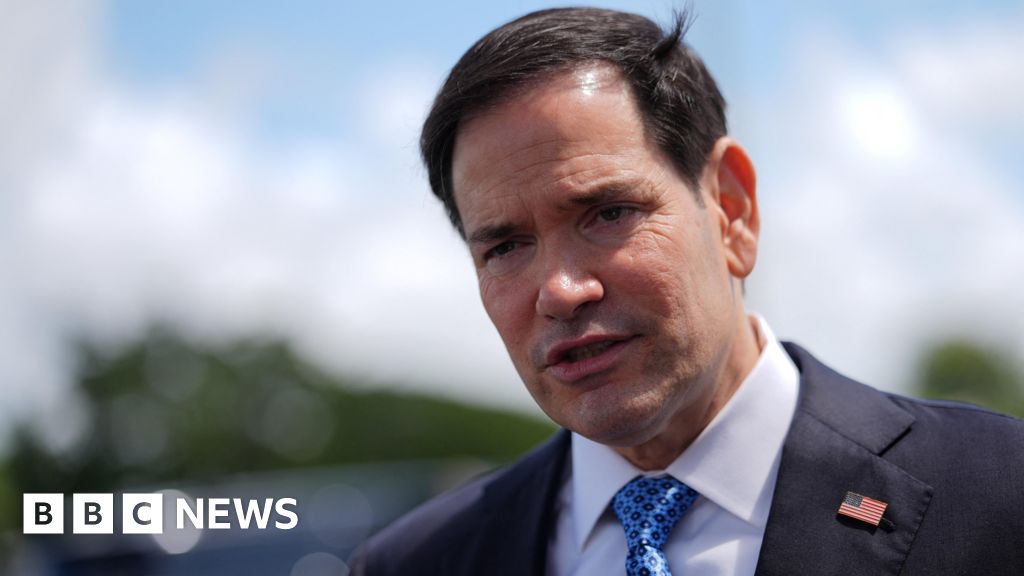
US Secretary of State Marco Rubio has formally declared Cuba a national security threat to the United States, signalling a significant hardening of Washington’s stance amid a deepening diplomatic row. Speaking to reporters, Rubio stated that while diplomacy remains the preferred course of action, the likelihood of a peaceful resolution is "not high" given the current leadership in Havana. The comments follow the recent indictment of former Cuban President Raúl Castro for murder in relation to the 1996 downing of two planes that resulted in the deaths of US nationals.
The US government has accused Cuba of being "one of the leading sponsors of terrorism in the entire region," a charge that Cuban Foreign Minister Bruno Rodríguez vehemently denied. In a statement posted on X, Rodríguez accused Rubio of spreading "lies" and attempting to "instigate military aggression," asserting that the island nation has never posed a threat to the United States. He further criticised the US government for "ruthlessly and systematically" attacking Cuba, framing the current tensions as part of a broader campaign of hostility.
Economic pressure on Havana has intensified with the imposition of an effective US oil blockade, which has exacerbated a severe fuel crisis within Cuba. The blockade has contributed to extended blackouts and food shortages for Cuban citizens over recent months. Despite these hardships, Rubio confirmed that Cuba had accepted a US offer of $100 million in humanitarian aid, though the administration maintains that the primary focus remains on addressing what it describes as existential threats to national security.
The indictment of Raúl Castro, announced by Acting Attorney General Todd Blanche in Miami, has drawn comparisons to the recent seizure of Venezuelan President Nicolás Maduro by the Trump administration. When asked about the logistics of apprehending the former Cuban leader, Rubio declined to discuss specific operational details, stating he would not reveal plans to the media. Blanche noted that the US expects Castro to appear in court "by his own will or another way," underscoring the administration’s resolve to pursue legal action regardless of diplomatic friction.
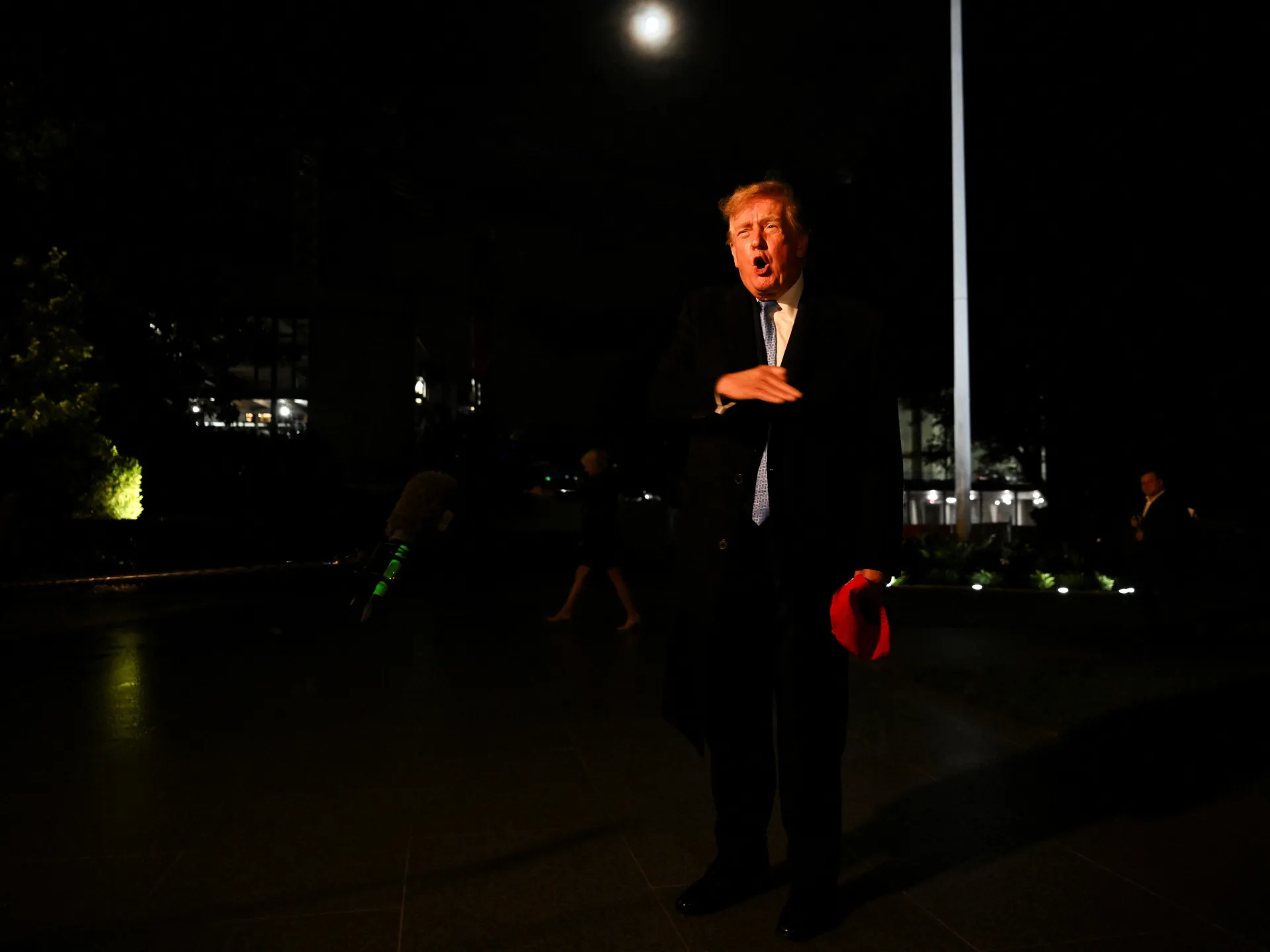
President Donald Trump characterised Cuba as a "failed country" and expressed confidence that his administration could resolve the long-standing issue, drawing parallels to efforts in Venezuela. Trump stated he would be "happy" to be the president who facilitates the return of Cuban-Americans to help the nation succeed, noting that previous administrations had considered similar measures for 50 to 60 years without success. The escalation comes against a backdrop of heightened military tensions, with Cuban President Miguel Diaz-Canel previously warning of a "bloodbath" in the event of a US attack, while reports indicate Havana has acquired over 300 military drones from Russia and Iran.