University of Washington study reveals bean plant immune receptor summons wasps against caterpillars
A team led by Adam Steinbrenner has pinpointed the genetic basis for how common beans detect caterpillar saliva and recruit predatory wasps, offering a pathway for targeted agricultural defence strategies.
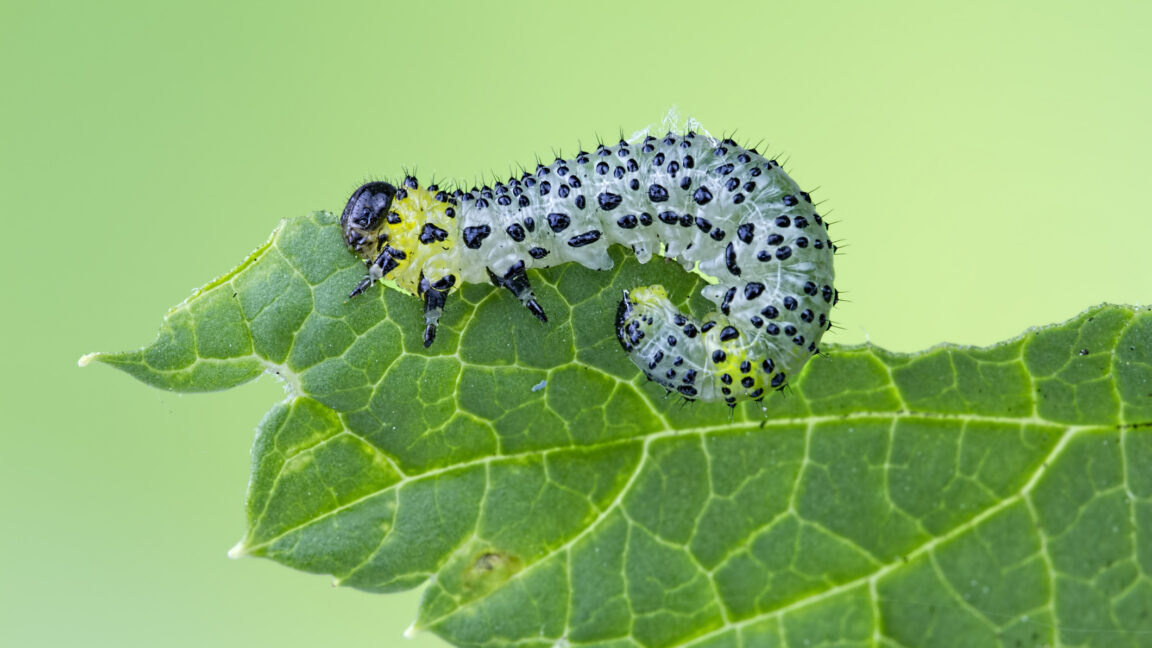
Researchers from the University of Washington have identified a specific immune receptor in common bean plants that detects a peptide found in caterpillar saliva, triggering the release of chemical signals to attract predatory wasps. The study, published in Science Advances, found that beans lacking this receptor failed to summon wasps and suffered significantly higher caterpillar growth rates. The discovery, achieved through selective breeding of natural mutants in Mexico, offers potential for developing targeted, pesticide-free crop protection strategies.
The research, led by biologist Adam Steinbrenner, focused on the beet armyworm (Spodoptera exigua) and the role of herbivore-associated molecular patterns known as HAMPs. When caterpillars feed, their saliva introduces an 11-amino acid fragment of inceptin, named In11, onto the leaf surface. The study identified a cell-surface receptor in common beans that specifically detects In11, initiating a signalling cascade that results in the emission of volatile organic compounds. These airborne scents serve as a distress signal, directing predatory wasps to the site of infestation.
Proving the receptor’s function required overcoming the difficulty of genetically modifying common beans. The team utilised selective breeding of natural mutants in Mesoamerican beans, specifically a Honduran strain called W6 13807, which possessed a 103-base-pair deletion in the receptor gene. This mutation resulted in a truncated, non-functional protein. By creating sibling plant lines that differed only in the presence or absence of the functional receptor, the researchers could isolate the specific impact of this immune mechanism on plant defence.
Field trials conducted in Oaxaca, Mexico, confirmed that wasps disproportionately targeted plants with functional receptors. Plants lacking the receptor failed to emit the specific volatile blend required to attract wasps and were largely ignored by the insects. Furthermore, caterpillars feeding on mutant beans exhibited growth rates over 70 percent higher than those on plants with intact receptors. While mutant plants still responded to mechanical wounding, they failed to up-regulate the 527 genes associated with targeted anti-herbivore defences triggered by In11 detection.
The findings suggest a pathway for developing crop protection strategies that do not rely on synthetic pesticides. However, the authors note uncertainties regarding the downstream immune signalling pathways and whether this receptor provides broad-spectrum resistance against specialist herbivores that may have evolved countermeasures. The study highlights the potential for leveraging natural plant receptors to confer immunity against problematic pests, though further research is needed to determine the relative importance of direct leaf defences versus indirect wasp recruitment.