University of Bradford researchers identify first known trebuchet casualty in history
Paleopathologist Jo Buckberry confirms the remains belong to a Scottish defender killed by a siege engine, marking the first archaeological evidence of trebuchet trauma.
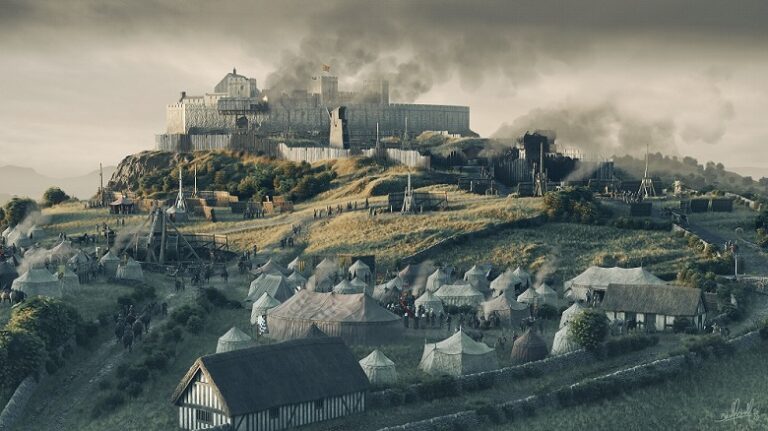
Researchers from the University of Bradford have identified Skeleton 150, discovered beneath Stirling Castle, as the only known historical casualty of a trebuchet. Paleopathologist Jo Buckberry determined that the Scottish defender was killed during the 1304 siege by King Edward I of England, sustaining fatal injuries from a projectile travelling at approximately 300km/h. The findings, presented at the 25th European Meeting of the Paleopathology Association, provide the first direct archaeological evidence of trauma caused by such siege engines.
Skeleton 150’s injuries, including a skull broken in 61 separate places and a shattered right leg, were consistent with a single, high-impact crushing blow rather than trampling or falling. The injuries were sustained while the bones were fresh, ruling out post-mortem damage. Forensic analysis, including micro-CT scans, ruled out other violent deaths such as being run over by a cart or falling from the walls. The projectile likely struck at between 200 and 300km/h, delivering over 200 kilojoules of energy.
While the siege involved the massive 'War Wolf' trebuchet, which fired a single 140-kilogram shot on the final day, researchers consider it unlikely Skeleton 150 was hit by this specific projectile due to the timing and the presence of thirteen other siege engines firing for three months prior. The individual was likely buried hastily in the chapel before the castle walls crumbled and the remaining defenders surrendered.
Stirling Castle changed hands five times between 1296 and 1304 during the Scottish Wars of Independence. King Edward I laid siege to Stirling Castle in 1304 with a large array of siege engines, including thirteen engines that bombarded the castle for three months. The siege ended with the surrender of Sir William Oliphant and his men, who were taken prisoner in England. Other violent remains found in the same graves included an English knight, Sir John de Stricheley, who died in 1341, and others with wounds indicative of medieval combat.
Trebuchets were primarily designed to destroy fortifications rather than target individuals. However, the sheer force required to shatter the skeleton in a single blow indicates a direct hit from a large rock launched by one of the thirteen engines active during the bombardment. Buckberry noted that while siege engine use is well-documented, this represents the first evidence of trebuchet trauma in the archaeological record, highlighting the lethal potential of these weapons even when not aimed directly at personnel.