Unitree’s low-cost robot strategy faces test of scale
Founder Wang Xingxing’s cost discipline has helped Unitree sell some of the world’s cheapest humanoid robots, but reporting points to concerns over quality control, staff attrition and commercial demand.
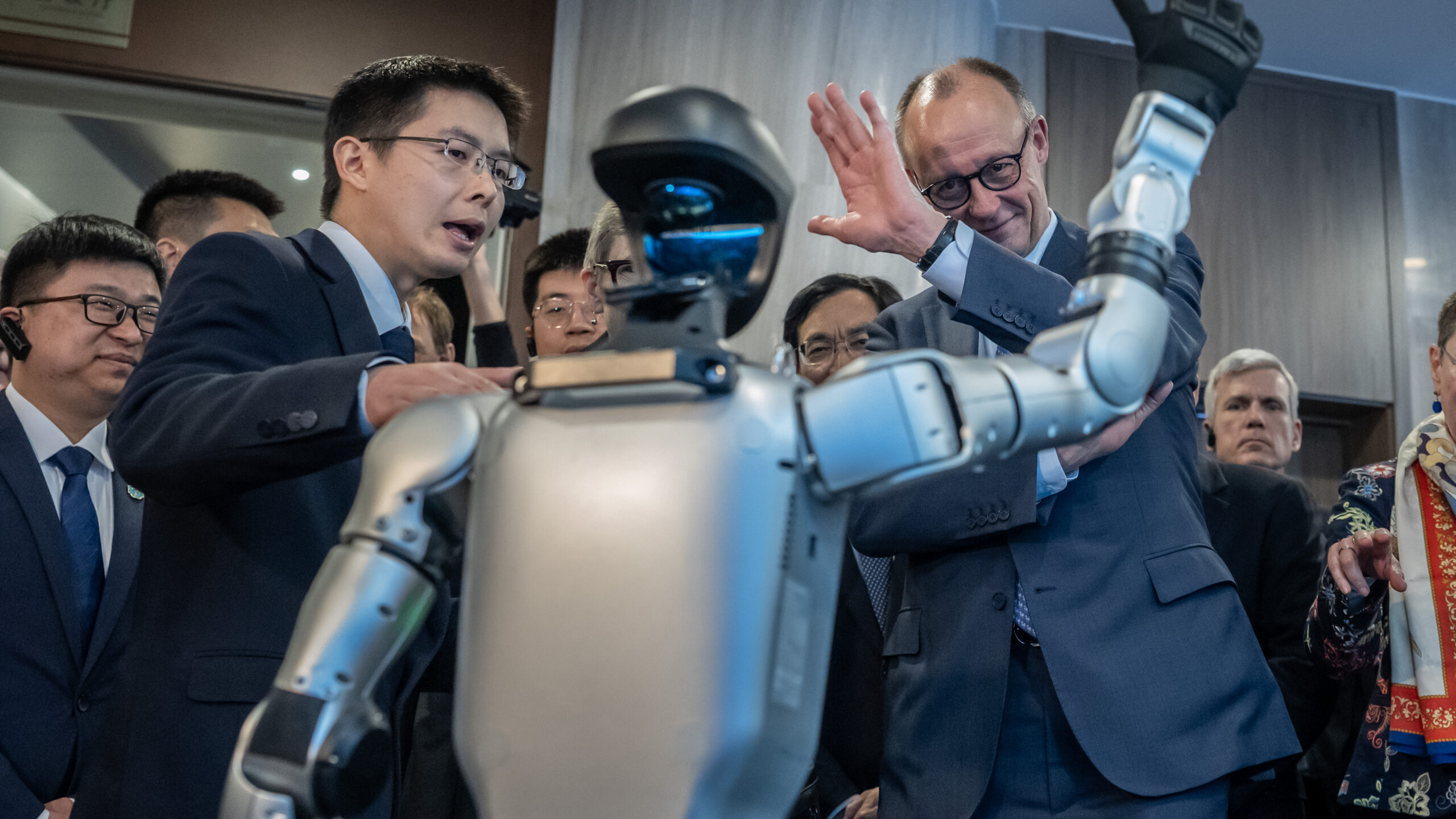
Unitree Robotics’ strategy of relentless cost control has helped it become one of China’s leading makers of affordable humanoid robots and robot dogs. But reporting by Caijing Magazine, translated by ChinaTalk, raises questions about whether founder Wang Xingxing’s highly centralised management style can scale with the business.
Caijing’s interviews with employees and investors describe Wang as closely involved in corporate strategy, product design and spending, down to details including material colours and screw lengths. The approach has helped Unitree price its baseline G1 humanoid at a reported US$13,500 and its R1 model at US$4,900, excluding shipping.
Employees cited by Caijing reportedly described high early rates of repair returns, penalty-focused incentives and bottlenecks caused by staff having to seek decisions from Wang. One longtime employee said Unitree experienced its highest attrition of core staff in 2025 and 2026. The claims are based largely on anonymous or unnamed sources.
Unitree did not initially respond to Caijing’s request for comment. It later described the reporting as containing substantial “misinformation”, without specifying which claims it disputed.
The company, which listed on the Shanghai Stock Exchange’s STAR Market on 19 August, competes with Chinese robotics groups including AgiBot Robotics and UBTECH. Unitree is reportedly profitable, but its principal customers are universities and research institutions, while industrial uses remain largely at the pilot stage.
Investor enthusiasm has cooled since the listing. The Wall Street Journal reported that Unitree shares had fallen about 50 per cent from their post-listing peak, leaving the company with a market valuation of roughly US$30 billion. The business also faces reported US restrictions on imports of foreign-made robots and wider questions over whether humanoid robots can develop recurring commercial demand.