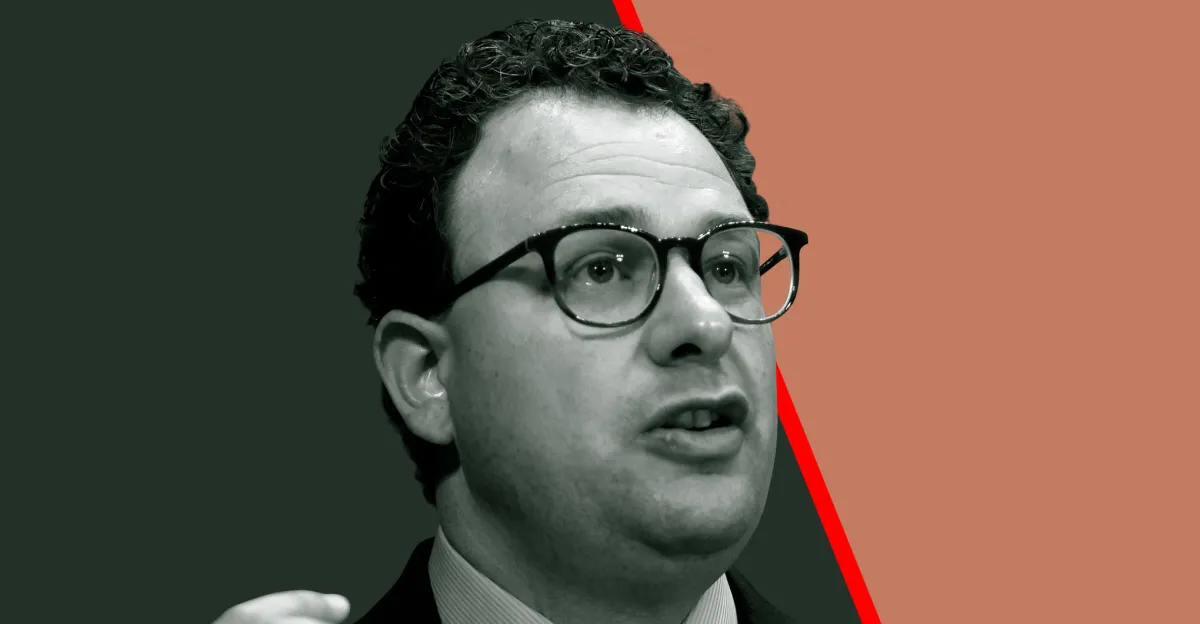
Daniel Litt calls for mathematics to be rebuilt around human understanding
The mathematician argues that universities should separate mathematical achievement from human expertise as AI-generated research becomes more common.
Mathematician Daniel Litt has called for mathematics institutions to rethink how they train and assess researchers as increasingly capable artificial intelligence systems produce more mathematical work.
In an essay titled “A Beginning for Mathematics”, published on his website and linked through the Hacker News feed, Litt argues that mathematical writing is becoming increasingly disconnected from the understanding of the person who produces it. He says institutions should focus less exclusively on papers and theorem production, and place greater weight on understanding, communication and discussion.
Litt proposes that a mathematics PhD should centre on becoming an expert in an interesting, deep topic and being able to explain it to others. A thesis could remain part of the process, but the degree would be awarded primarily through a rigorous oral defence, supported by regular assessments of a student’s ability to work independently through unfamiliar examples and apply techniques in new settings.
He also argues that hiring and graduate admissions should give more weight to talks, sustained mathematical discussion, seminars and question-setting. In his view, these activities provide stronger evidence of human understanding than papers as AI systems improve at producing mathematical text.
Litt says mathematical results should be judged on their quality regardless of whether they originate with a person or an AI system. Human expertise, however, should be assessed separately from mathematical output, with institutions preserving learning seminars, informal conversations and communities built around shared understanding.
He argues that universities should adapt to an abundance of AI-generated mathematics rather than assume the technology will disappear or attempt to reserve problems for students. The scale and timing of the changes he anticipates remain forecasts, and the reforms he outlines are proposals rather than an agreed direction for the mathematics community.