UNIFIL reports civilian toll rises as Israeli military activity intensifies in Lebanon
The UN Interim Force in Lebanon has documented a significant escalation in Israeli military operations over the past fortnight, with the death toll since March reaching 4,346.
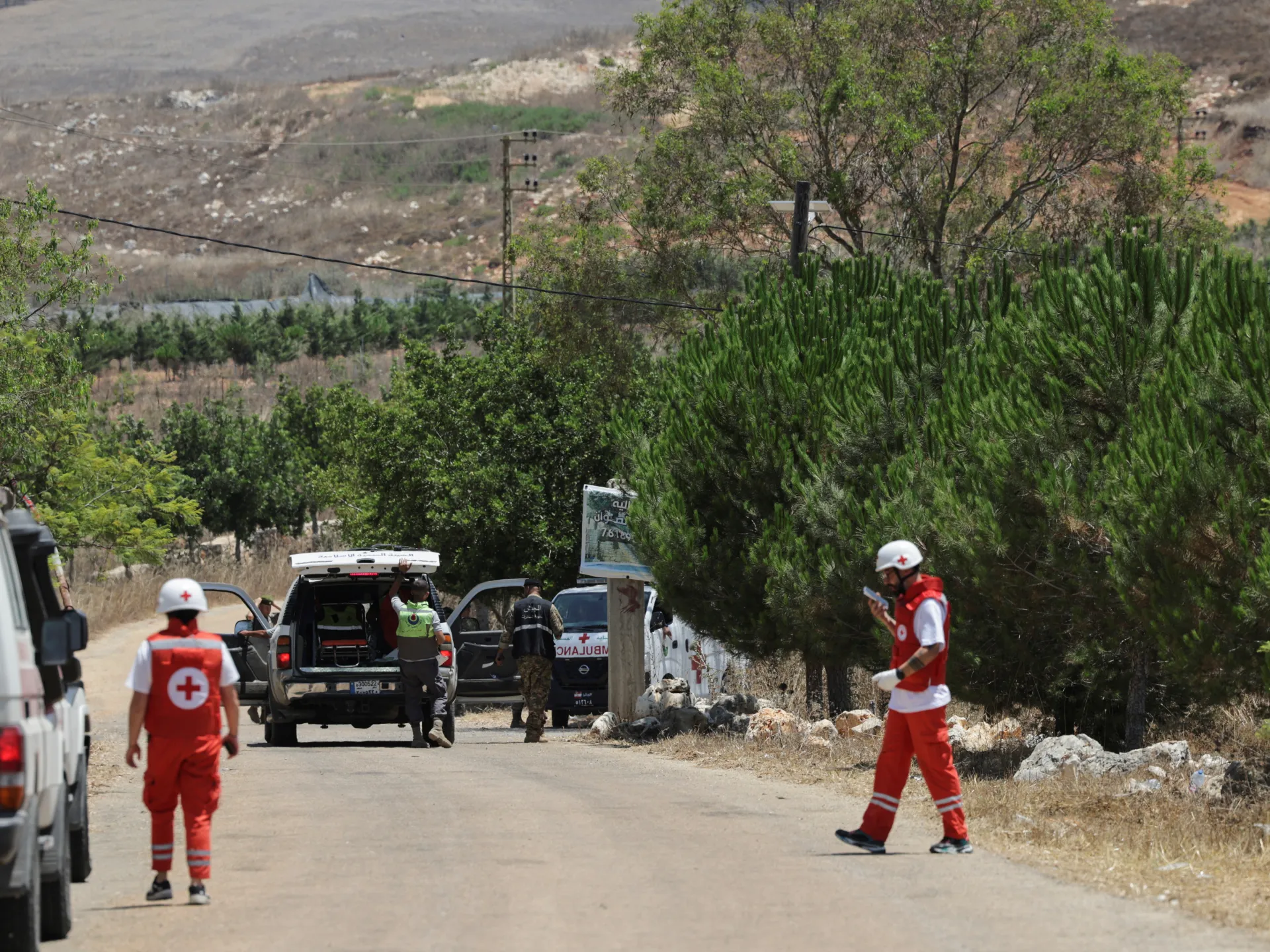
The UN Interim Force in Lebanon (UNIFIL) has reported a substantial increase in Israeli military activity in the south, stating that civilians are bearing the brunt of the escalation. In a statement issued on Monday, the peacekeeping force noted that between 5 and 16 August, its monitors recorded an average of 137 projectiles fired per day. The data revealed significant spikes, including 208 projectiles on Saturday and 185 on Sunday.
This surge in hostilities persists despite the renewal of a ceasefire agreement dated 26 June, which was brokered by the United States. The framework mandates the disarmament of Hezbollah but does not explicitly require the withdrawal of Israeli forces, which currently occupy several parts of southern Lebanon. Hezbollah has rejected the deal, maintaining that it will not comply until Israel withdraws from Lebanese territory.
The death toll from Israeli assaults in the region has risen to 4,346 since 2 March, following 11 fatalities on Saturday from two separate air raids. UNIFIL described the situation as one where families are displaced or forced to alter their daily routines due to insecurity. The force emphasised that it continues to conduct patrols, remove road obstacles, and facilitate humanitarian aid access despite the heightened risks.
Lebanese President Joseph Aoun has expressed support for extending UNIFIL’s mandate, which is set to expire at the end of 2026. The Lebanese government in Beirut views the continued presence of international forces as a critical component of stability in the south. UNIFIL cited United Nations Security Council Resolution 1701, adopted in 2006, as the foundational framework for restoring stability, calling for a cessation of hostilities and the strengthening of the Lebanese army.
Ziad Abu Rish, an associate professor at Bard College, characterised the Israeli strategy as a campaign of collective punishment against the Lebanese population, particularly in Shia-majority areas. He stated that Israel aims to demonstrate an undeterred resolve to occupy the south while targeting both Hezbollah and civilians. The Lebanese and Israeli governments have held a seventh round of negotiations earlier this month, though the conditions of the June framework remain unfulfilled.