UNESCO warns of ‘gender apartheid’ as 2.4 million Afghan girls barred from secondary education
A United Nations cultural agency has renewed its call for the Taliban to reverse its ban on female education, citing a sharp rise in out-of-school girls and a projected shortage of qualified female teachers.
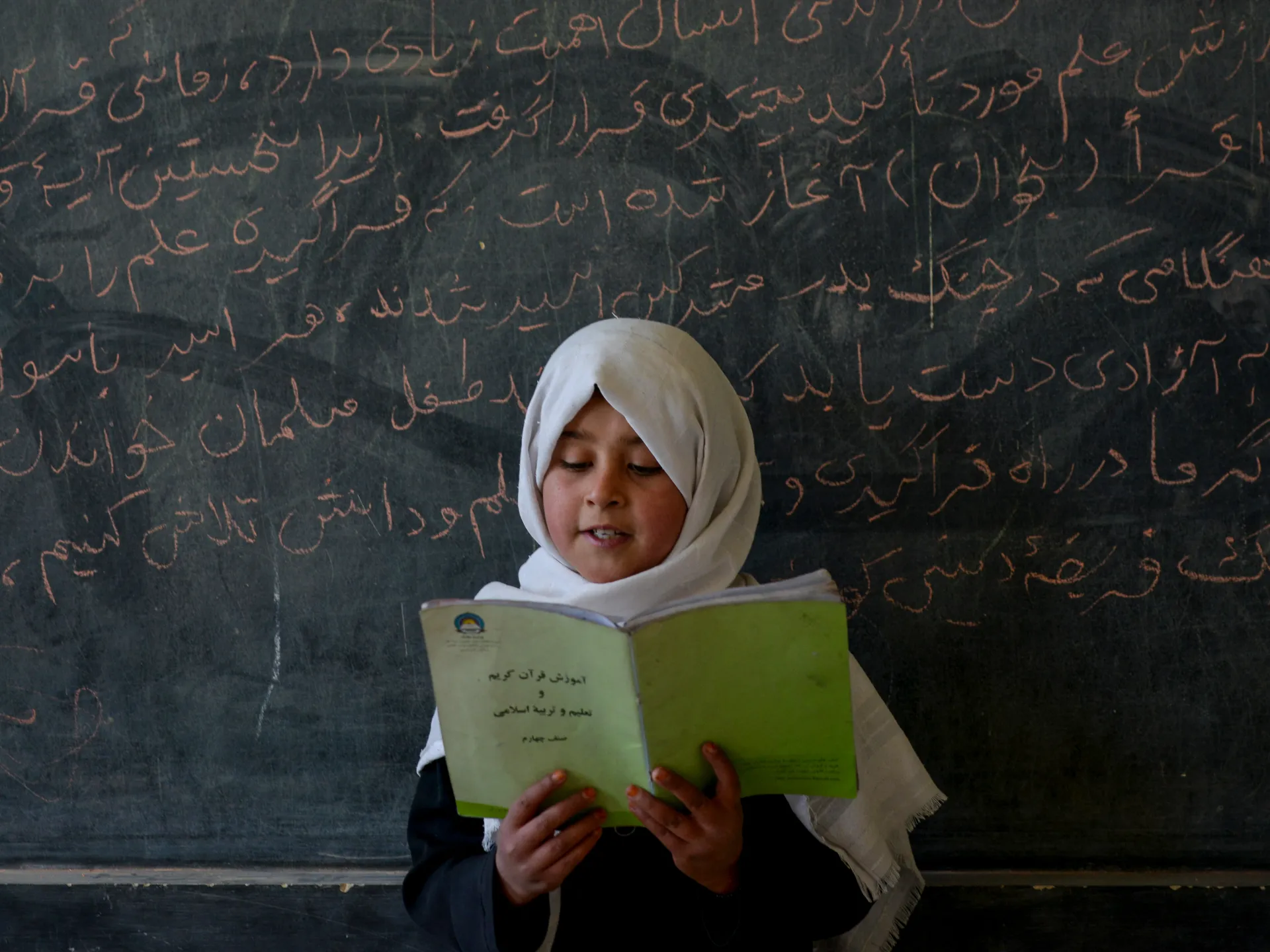
The United Nations Educational, Scientific and Cultural Organization (UNESCO) has reported that approximately 2.4 million girls in Afghanistan are currently denied access to secondary education, a figure that has increased by 200,000 since the previous year. The agency has renewed its urgent appeal to the Taliban government to lift these restrictions, warning that the number of deprived girls could approach four million by 2030 if the policy remains in place.
In its latest assessment, UNESCO described the systemic exclusion of women and girls from education as “gender apartheid.” Afghanistan remains the only country globally where girls and women are prohibited from attending secondary schools and universities. The ban on secondary education was implemented in March 2022, followed by a prohibition on women attending universities in December of that year, shortly after the Taliban’s return to power.
The restrictions have severely impacted the teaching workforce, with the Taliban also banning women from instructing boys. UNESCO projects a shortfall of more than 11,000 qualified female teachers by 2030 as a result of these measures. The removal of female educators has left many boys in the care of untrained male teachers, further compounding the degradation of educational standards within the country.
Beyond the gender-specific bans, the broader education system faces significant structural challenges. UNESCO noted that many schools suffer from overcrowding and poor equipment, with nearly half lacking basic water, sanitation, or heating facilities. Additionally, natural disasters have forced the closure of approximately 1,000 schools over the past five years, exacerbating the crisis.
At the primary level, the situation remains critical, with more than two million children out of class. National literacy rates have fallen to 37 percent, with ninety percent of ten-year-olds unable to read a simple text. Despite international pressure, including appeals from several Muslim-majority governments, the Taliban administration has rejected calls to reverse the ban, maintaining that the policy is an internal matter.