UNESCO lab sets out blueprint on government reliance on consultants
UNESCO’s Inclusive Policy Lab says growing dependence on consulting firms can create high costs and transparency concerns, but the blueprint’s recommendations have not been detailed.
UNESCO’s Inclusive Policy Lab has established a blueprint addressing what it describes as the growing reliance of governments on consulting firms.
The initiative responds to concerns that dependence on external advisers can lead to high costs and transparency problems if left unchecked. The available material does not quantify those costs or indicate how widespread the trend is.
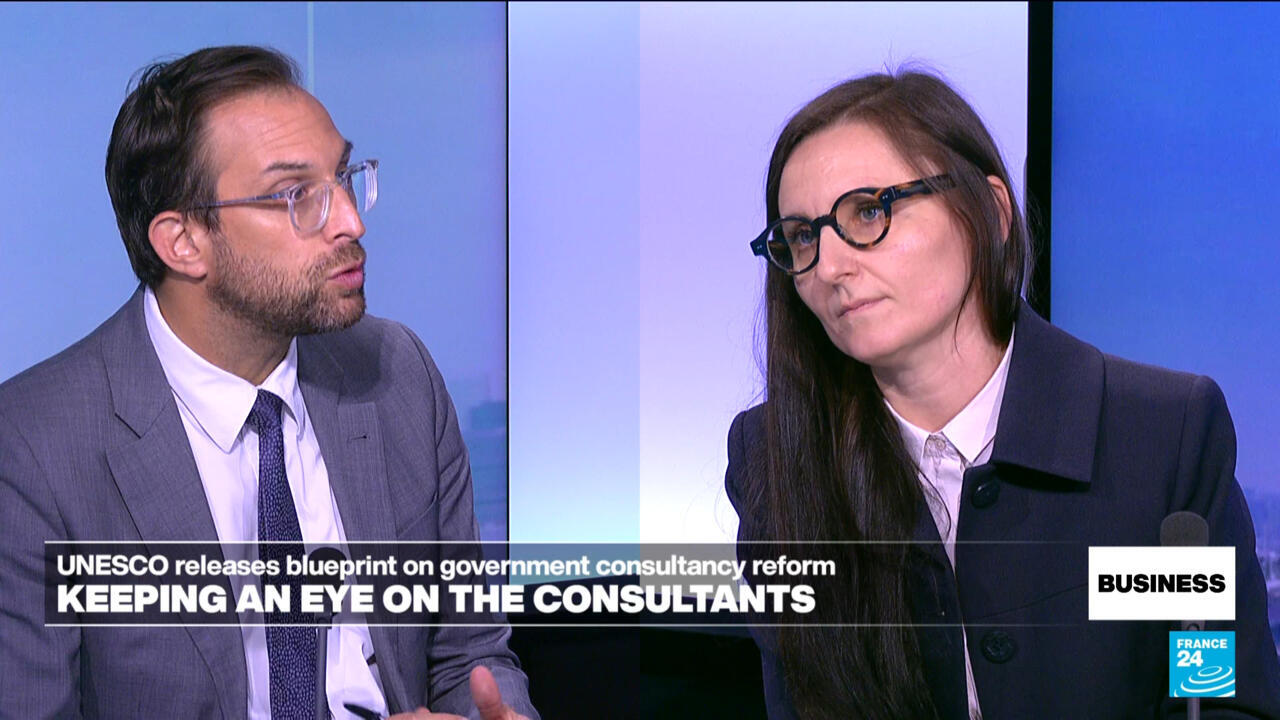
Iulia Sevciuc, who heads the lab, discussed the blueprint with France 24. UNESCO has not provided details in the available material about its recommendations, scope or implementation arrangements.
The issue gained prominence in France after the government of President Emmanuel Macron was criticised over its ties with US consultancy McKinsey. The criticism brought scrutiny to the role of consulting firms in government, but the source does not establish wrongdoing by McKinsey or the Macron government.
The blueprint is presented as a policy response to concerns about public-sector dependence on consultants. The material does not describe it as binding regulation or indicate that it specifically targets McKinsey.