Underground hydrogen hunt gains momentum as clean energy alternative
A new report highlights the emerging sector of geologic hydrogen, where naturally occurring underground gas is being explored as a cost-effective solution to the high costs of current clean hydrogen production methods.
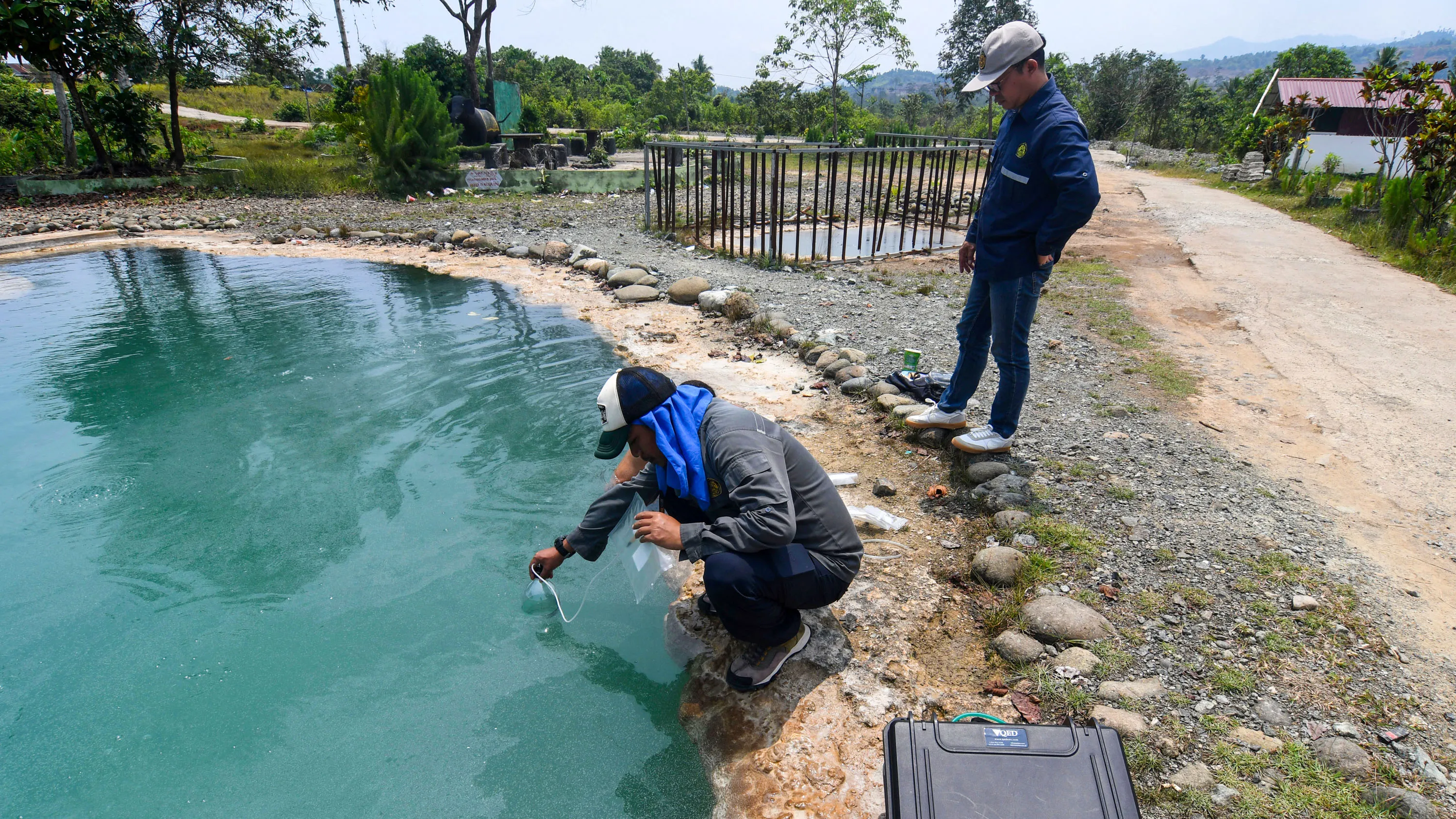
A new report from MIT Technology Review describes the search for naturally occurring underground hydrogen as a "21st-century gold rush." The gas, which can be used as a fuel in heavy transport, aviation, and steelmaking, produces only water and oxygen when burned, offering a potential climate solution without the carbon emissions associated with traditional fossil fuels.
Currently, the majority of hydrogen is produced using fossil fuels, primarily natural gas, for use in petroleum refining, fertiliser, and chemical manufacturing. While the industry has long pursued clean alternatives through renewable-powered electrolysis or fossil-fuel-based production with carbon capture, both methods have struggled to gain traction due to their high costs. Geologic hydrogen is now emerging as a more viable option, with resources identified across Africa, Asia, Europe, Australia, and North America.
In the United States, the Midcontinent Rift, a geological feature stretching from Kansas to Michigan, has become a key focus area. Approximately one billion years ago, the planet’s crust stretched and split in this region, allowing molten rock to rise and form extensive iron-rich rock. This rock reacts with water to generate hydrogen. The US Geological Survey has published maps of hydrogen prospectivity to guide exploration, identifying such regions where the gas is most likely to occur naturally.
Australian company HyTerra is actively prospecting in Nebraska and Kansas, having already identified gas samples with hydrogen concentrations up to 96 per cent. Koloma, which has secured over $400 million in total funding, is also operating in the region. A significant challenge remains in capturing the gas, as hydrogen is an extremely light molecule that can slip through tiny cracks in rock. However, researchers examining boreholes at a mine in northern Ontario found that each of the more than 14,000 boreholes at the site released eight kilograms of hydrogen per year, suggesting substantial potential yields.
Some companies are moving beyond passive extraction to stimulate production in subsurface rocks. Vema Hydrogen, a Texas-based firm, is testing a process in Quebec that involves injecting water and catalysts into wells to kick-start chemical reactions. The company aims to begin full-scale production by 2028. Meanwhile, Eden GeoPower is using electricity to create fracture networks in rocks, providing additional routes for water to enter and react. This technology may also prove useful for enhanced geothermal projects.
Despite the promising developments, significant logistical hurdles persist. Hydrogen is notoriously difficult to store and transport, requiring either vast amounts of space or super-low temperatures to liquefy the gas. If these engineering and logistical challenges are resolved, geologic hydrogen could mark a new beginning for the clean energy sector.