UN warns of irreversible humanitarian catastrophe as South Sudan faces acute hunger for 7.8 million
Conflict, displacement and supply shortages drive surge in child malnutrition amid deepening political tensions between President Kiir and suspended Vice President Machar
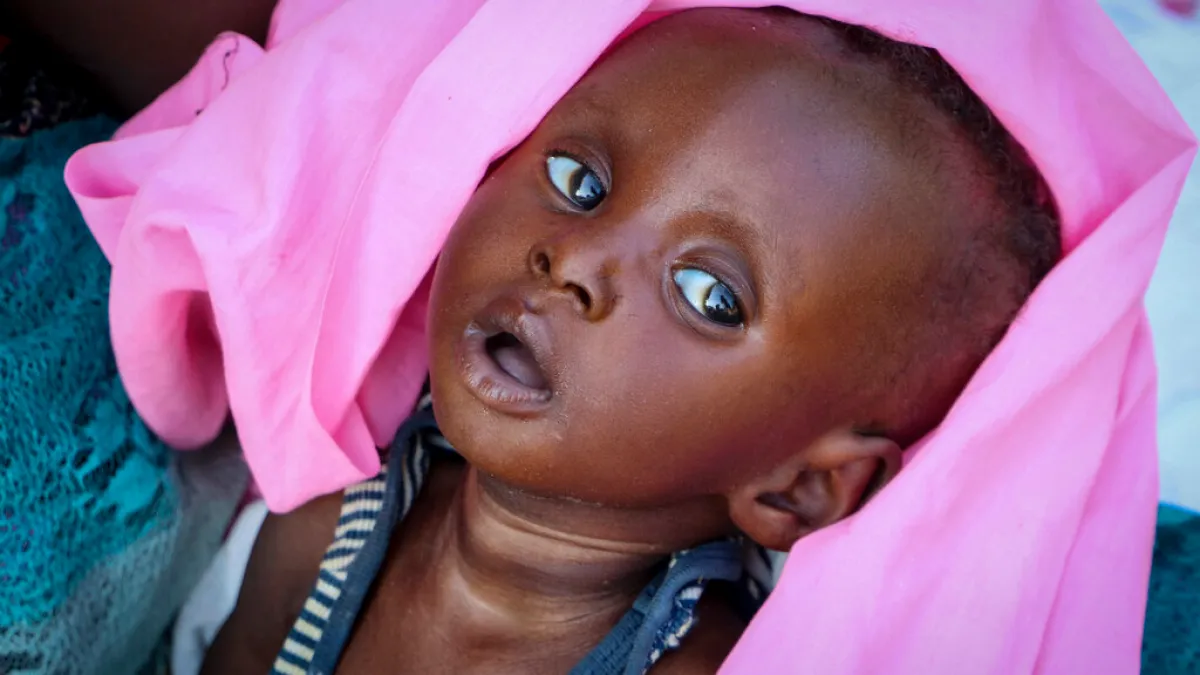
A United Nations report published on 28 April 2026 has issued a stark warning that nearly eight million people in South Sudan are at risk of acute hunger. The assessment indicates that 7.8 million individuals, representing 56 per cent of the population, face high levels of food insecurity in the coming months. Aid agencies, including the Food and Agriculture Organization, the World Food Programme, and UNICEF, have called for immediate international action to avert what they describe as an irreversible humanitarian catastrophe.
The humanitarian situation has deteriorated significantly over the past six months, with acute malnutrition among children aged six months to five years rising by 100,000 to reach a total of 2.2 million. Estimates suggest that 700,000 of these children are at grave risk of death. This surge in malnutrition is directly linked to the closure and damage of many nutritional services caused by ongoing fighting, alongside severe supply shortages and inadequate funding that have restricted access to life-saving treatment.
The drivers of this crisis are multifaceted, encompassing ethnic conflict, climate change, and the spillover of violence from neighbouring Sudan following its 2011 referendum. The nation's worsening economic downturn has further compounded the humanitarian emergency, leaving South Sudan, the world's youngest country, as one of the poorest globally. These structural weaknesses have created a fragile environment where a return to all-out civil war is a growing fear, more than seven years after a 2018 peace agreement ostensibly ended a conflict that killed nearly 400,000 people.
Political instability remains a central feature of the instability, with heavy clashes intensifying between the state army, the South Sudan People's Defence Forces, and various opposition groups. These military confrontations stem from long-standing tensions between President Salva Kiir Mayardit and suspended Vice President Riek Machar. Machar, who is currently on trial in Juba on charges of murder, treason and crimes against humanity, remains a key figure in the political deadlock that continues to hinder governance and aid delivery.
The United Nations report underscores that without urgent intervention, the situation in South Sudan could spiral beyond control. The convergence of military conflict, economic collapse, and environmental stressors has pushed a majority of the population into a state of acute vulnerability. International observers note that the current trajectory threatens to undo years of fragile stability and exacerbate the suffering of a nation already struggling with profound poverty and institutional weakness.