UN secretary-general hopefuls present visions amid institutional crisis
With the United Nations navigating a severe financial and confidence crisis, the race to succeed Antonio Guterres is characterised by caution and diplomatic maneuvering ahead of the first anonymous vote on 30 July.
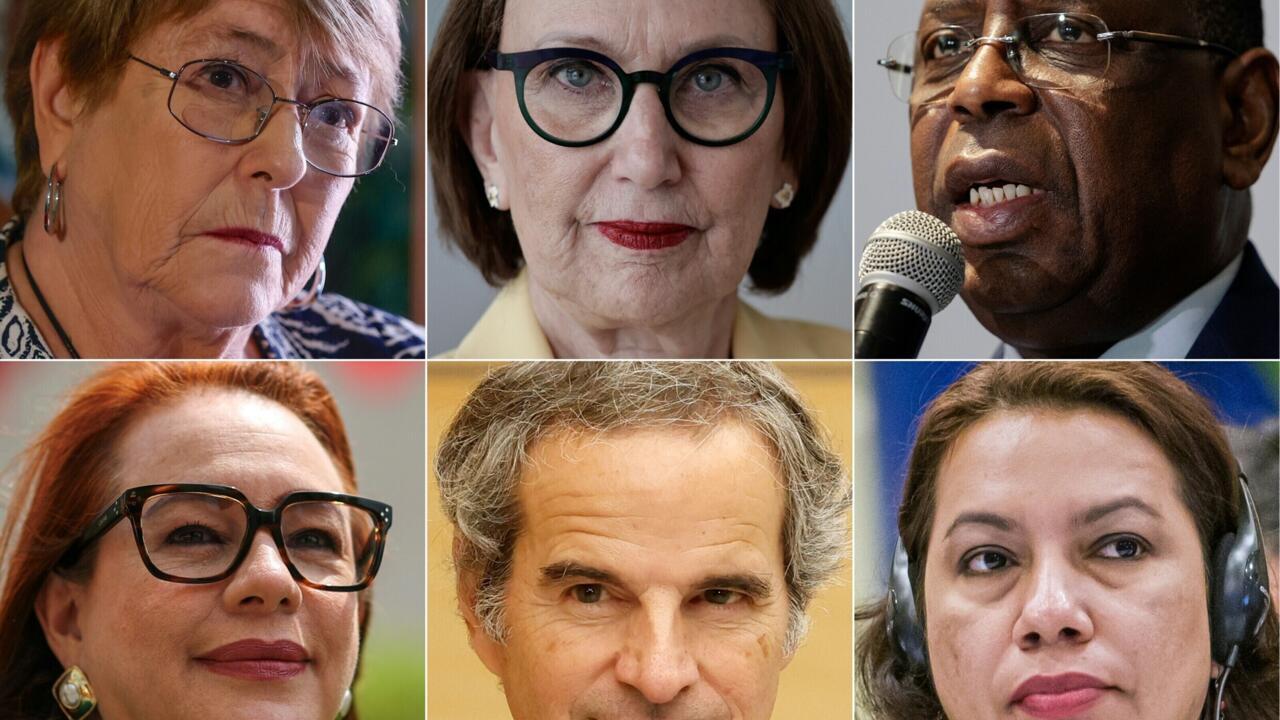
Six candidates vying to succeed outgoing UN Secretary-General Antonio Guterres presented their visions for the organisation on Thursday, addressing diplomats, UN employees, and civil society representatives in the General Assembly Hall. The event, broadcast by Bloomberg, served as a key moment in a selection process that will determine the next leader to take office on 1 January 2027. The candidates, comprising Chile’s Michelle Bachelet, Ecuador’s Maria Fernanda Espinosa, Argentina’s Rafael Grossi, Costa Rica’s Rebeca Grynspan, Guyana’s Carolyn Rodrigues-Birkett, and Senegal’s Macky Sall, faced 90 minutes of questioning from attendees.
The United Nations is currently navigating a profound financial and confidence crisis, with the administration of US President Donald Trump accusing the organisation of reckless spending and a failure to deliver satisfactory results. Washington is demanding a return to the UN’s fundamental purposes of peace and security, while other member states stress the equal importance of human rights and development. General Assembly President Annalena Baerbock described the town hall as a rare opportunity to engage with the candidates’ ideas, emphasising the need for a leader capable of vigorously defending the UN Charter and its three pillars in an increasingly fragmented world.
The campaign has struggled to generate the enthusiasm seen in previous races. Richard Gowan, an analyst with the International Crisis Group, noted that the contest lacks the energy of the 2016 selection process, which featured more candidates and greater intrigue. Gowan observed that the current race is incredibly important for the future of the UN but has been marked by caution, with candidates treading carefully to avoid offending the United States and other veto powers.
Prior to Thursday’s event, each candidate had already undergone three hours of questioning from representatives of the 193 UN member states. Most candidates stressed the need to continue ongoing reforms to improve efficiency and highlighted the importance of greater involvement by the secretary-general in global peace efforts. Diplomatic sources indicate that Rafael Grossi is currently the most frequently mentioned front-runner, though Rebeca Grynspan and Carolyn Rodrigues-Birkett also command significant support.
Speculation continues to circulate regarding other potential candidates, including FIFA president Gianni Infantino, whom the New York Post reported has the support of President Trump. The selection process will see the Security Council hold its first anonymous straw poll on 30 July, followed by further votes until a candidate secures nine votes without a veto from any of the five permanent members. Traditional calls for geographic rotation suggest Latin America may have a turn, while many states are advocating for the first female secretary-general.