UN reports 200,000 displaced in Sudan’s Kordofan as infrastructure targets intensify
The International Organization for Migration warns that intensified fighting and targeted strikes on essential services have driven a surge in internal displacement across the region.
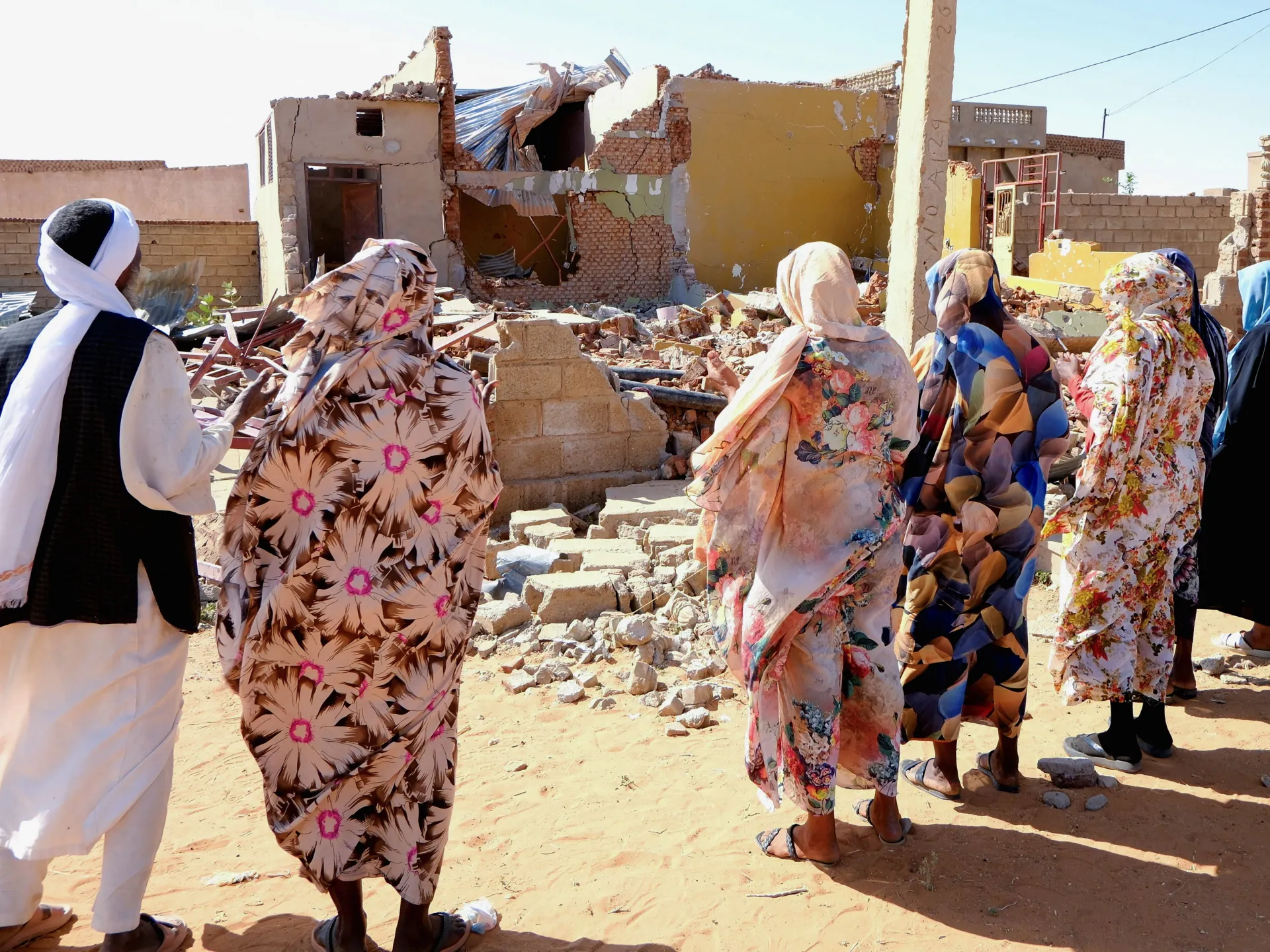
The United Nations’ International Organization for Migration (IOM) has reported that more than 200,000 people have been newly displaced across Sudan’s Kordofan region following intensified fighting since late last year. The assessment highlights a critical deterioration in the humanitarian landscape, driven by sustained military operations and the systematic targeting of civilian infrastructure.
In El Obeid, the region’s largest city, drone attacks by the Rapid Support Forces (RSF) have struck critical water and electricity infrastructure. The IOM noted that repeated strikes on the city’s main power transformer have disrupted essential services, including water pumping, hospital operations, and telecommunications. These disruptions have compounded the effects of the ongoing siege, which has been one of the longest of the conflict.
Displacement figures have risen sharply in the Sheikan district, which includes El Obeid, with the IOM recording a 25 per cent surge over the past eight months. The organisation stated that families are fleeing violence while simultaneously losing access to basic utilities. IOM Director General Amy Pope described the situation as a crisis where the combined impact of conflict, infrastructure damage, and environmental factors is stretching families beyond their limits.
Seasonal flooding in North Darfur has further exacerbated the displacement crisis. Heavy rains in the Tawila area have damaged nearly 1,350 homes, displacing more than 1,000 families. The IOM indicated that these environmental shocks are occurring alongside ongoing military pressure, creating a multi-layered humanitarian emergency.
The broader context of the Sudanese civil war, which began in April 2023, continues to drive mass movement. An estimated 59,000 people have been killed, and 8.6 million have been internally displaced since the conflict started. In Blue Nile state, approximately 78,000 people have fled their homes, while about 18,000 were displaced in West Darfur in the first half of August.
El Obeid, which had a pre-war population of 750,000, is currently held by the Sudanese army. However, the RSF maintains positions south and west of the city and continues to attack nearby villages and military convoys. Save the Children reported that nearly 39,000 children have arrived in El Obeid in the first six months of this year, underscoring the scale of the demographic shift in the area.