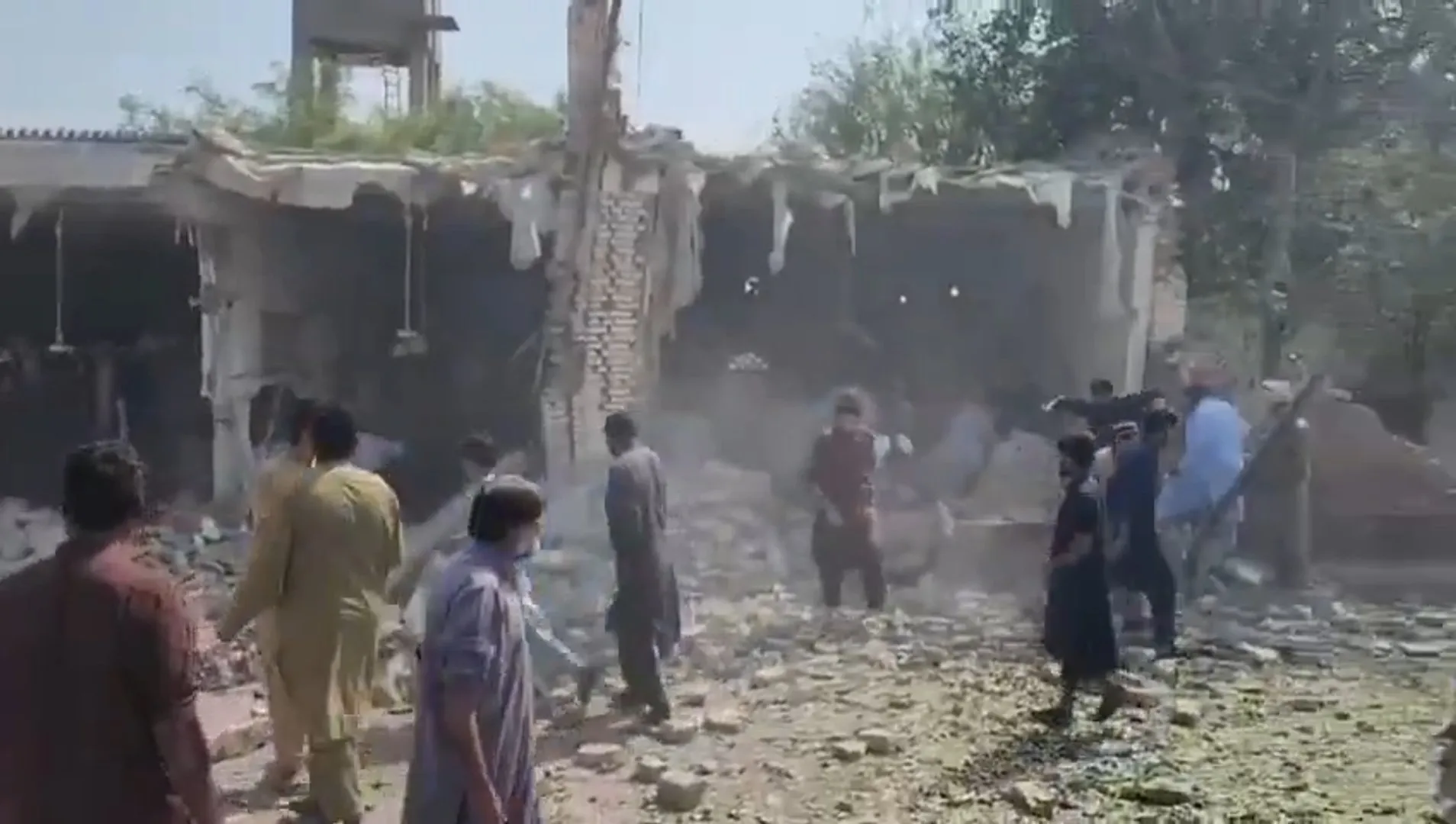
UN report finds US acted recklessly in strikes on Iranian school and sports complex
A United Nations fact-finding mission has concluded that the United States may have committed war crimes during February 2026 strikes, citing outdated intelligence and a failure to verify civilian targets in Minab and Lamerd.
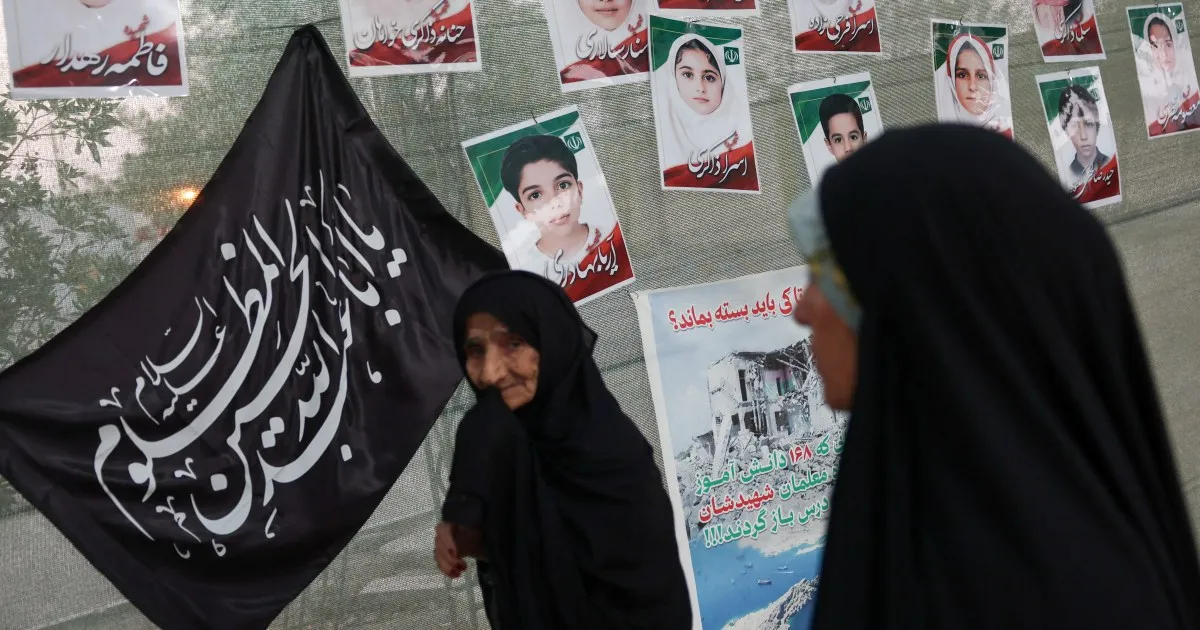
A United Nations-mandated Independent International Fact-Finding Mission on the Islamic Republic of Iran has concluded that the United States may have committed war crimes during two military strikes in February 2026. The report, submitted to the UN Human Rights Council, found reasonable grounds to believe the US acted “recklessly” when it struck the Shajareh Tayyebeh Primary School in Minab and a sports complex in Lamerd, resulting in significant civilian casualties.
The strikes occurred on 28 February 2026 during the opening hours of a joint US-Israeli assault on Iran amid stalled nuclear negotiations. The mission determined that the US failed to verify that the Minab school was a military objective, despite it being 72 metres from an Islamic Revolutionary Guard Corps facility and clearly identifiable as a school in satellite imagery. Local officials reported 156 deaths in Minab, including 120 children, while 22 people, including four children, were killed in the Lamerd strike.
Weapons analysis played a central role in the mission’s findings. Fragments at the Minab site were identified as a US Tomahawk Land Attack Missile, a weapon Iran does not possess, leading Washington to accept responsibility for that strike. For the Lamerd incident, the mission rejected the US Central Command’s claim that an Iranian Hoveyzeh cruise missile was responsible, citing expert analysis that pointed instead to a US-made Precision Strike Missile.
The White House has rejected the findings as “unserious nonsense.” Deputy Press Secretary Anna Kelly argued that the Iranian regime committed the only war crimes in the conflict, citing domestic crackdowns and regional attacks. However, the mission noted that the US acted with “dolus eventualis,” a legal standard of recklessness that is sufficient to establish the war crime of launching an indiscriminate attack under international humanitarian law.
Legal experts note that the report does not carry automatic legal consequences but could form the basis for future proceedings. This is complicated by the US withdrawal from the International Court of Justice and the likelihood that Iran will not join the International Criminal Court. Reed Brody of the International Commission of Jurists stated that accountability ultimately depends on political will, with the report providing “more ammunition” for domestic political pressure.
The mission has urged an immediate end to US-Iran hostilities and called for victim reparations. It also found that Iranian authorities committed crimes against humanity during a crackdown on anti-government protests, placing both governments under international scrutiny for distinct but simultaneous violations of international law.