UN relief coordinator attributes deterioration in Somalia to US conflict with Iran
During a recent visit to the Horn of Africa, the United Nations aid chief linked the worsening crisis to the ongoing war between the United States and Iran, warning of broader regional instability.
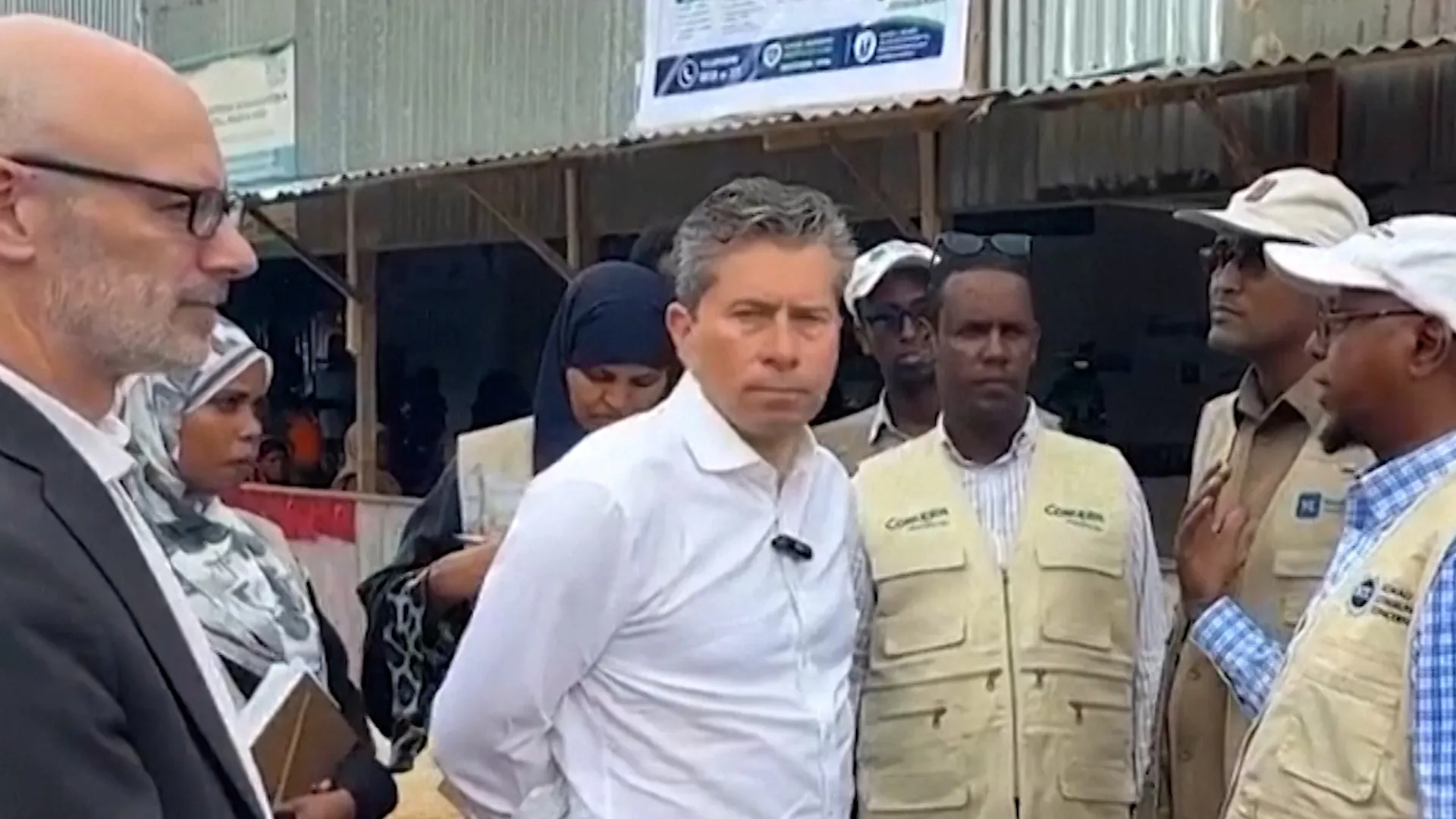
The humanitarian situation in Somalia has deteriorated significantly, a development that UN relief coordinator Tom Fletcher has directly attributed to the United States' war on Iran. Fletcher made this assessment while conducting a recent visit to the country, where he publicly criticised the ongoing conflict and its spillover effects on local stability.
As the United Nations frequently monitors and reports on crises in the region, Fletcher's comments highlight the growing concern that distant geopolitical conflicts are exerting immediate pressure on fragile states. The relief coordinator stated that the war is a primary driver behind the worsening conditions, suggesting that the conflict is disrupting the delicate balance required to manage the crisis.
This assertion comes as the United States continues its engagement with Iran, a conflict that Fletcher argues is now having tangible consequences for populations in neighbouring territories. By framing the issue as a direct result of the war, the UN official is drawing attention to the interconnected nature of modern security challenges, where actions in one theatre can rapidly escalate into humanitarian emergencies elsewhere.
Fletcher's remarks during his trip underscore the urgency of the situation, emphasising that the crisis is not merely a result of local factors but is being exacerbated by external military actions. The statement serves as a stark reminder of the risks associated with prolonged geopolitical friction in volatile regions, where supply lines and regional security architectures are often strained.
While the specific mechanisms of how the war impacts Somalia were not detailed in the initial report, the causal link drawn by the UN chief suggests a complex web of regional instability. Fletcher's intervention aims to shift the focus from isolated incidents to the broader policy implications of the US-Iran confrontation on the ground.
The United Nations continues to track these developments closely, with Fletcher's visit providing a platform to voice concerns about the trajectory of the crisis. His comments reflect a growing consensus among international observers that the current conflict is destabilising the wider Horn of Africa, necessitating a more nuanced approach to regional diplomacy and aid delivery.