UN General Assembly opens amid wars, AI concerns and leadership transition
Nearly 130 leaders are expected to address the 81st General Assembly’s high-level debate in New York, with global conflicts and institutional pressures on the agenda.
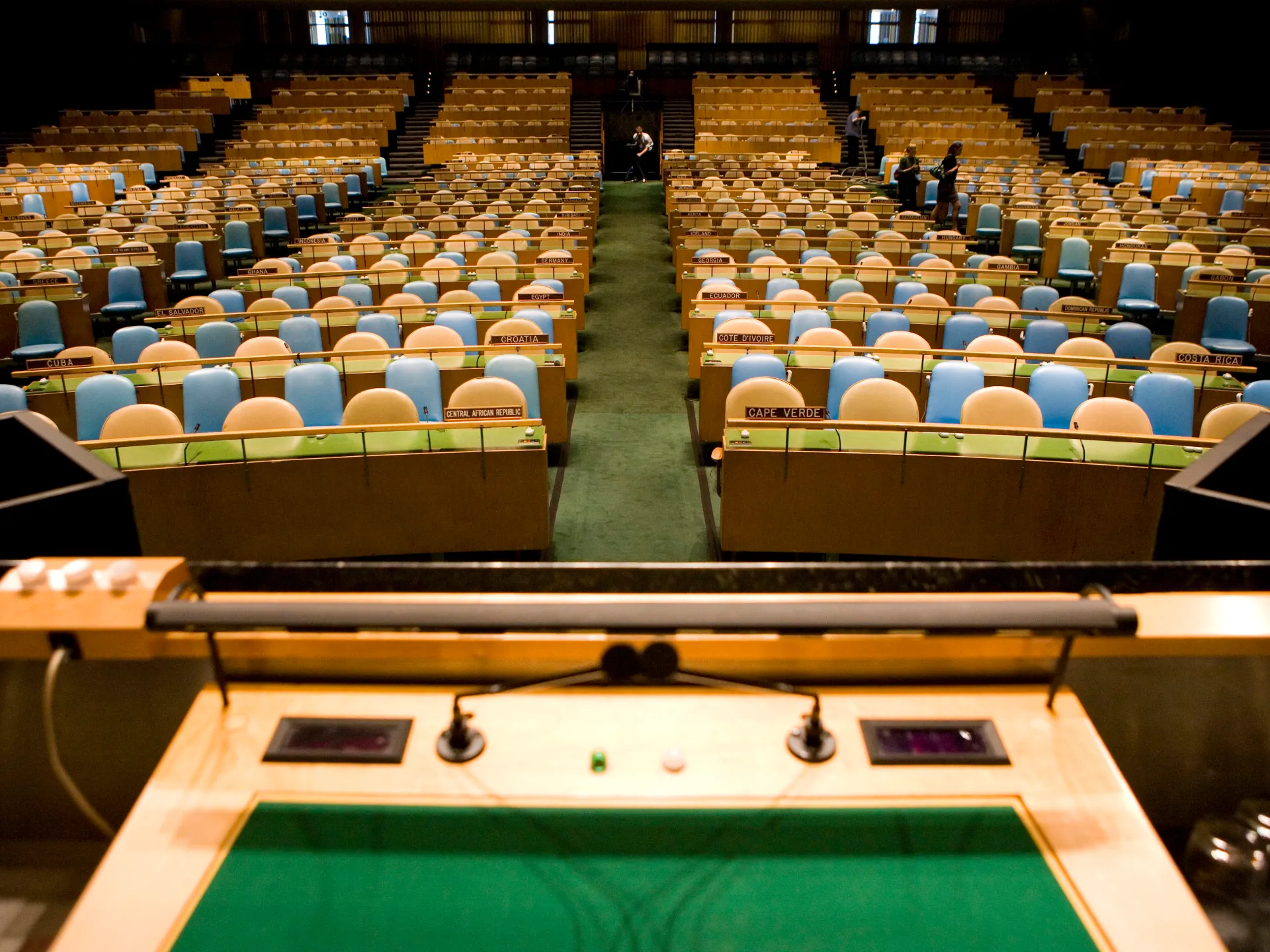
The United Nations General Assembly’s high-level general debate has opened in New York, with nearly 130 heads of state and government expected to speak between 22 and 28 September. Sessions will run on weekdays and Saturday, excluding Sunday, with statements subject to a voluntary 15-minute limit.
UN Secretary-General Antonio Guterres is expected to open the debate, followed by General Assembly President Khalilur Rahman. Brazil is scheduled to speak first among countries, with the United States traditionally following. US President Donald Trump is expected to address the assembly on Tuesday morning.
The debate comes as the 81st General Assembly considers conflicts in the Middle East and Ukraine, artificial intelligence and pressures on the UN’s funding. High-level meetings are also scheduled on climate action, sea-level rise, pandemic preparedness, racism and nuclear disarmament.
Palestinian President Mahmoud Abbas is expected to address the assembly by prerecorded video after the United States denied visas to Palestinian officials. The United Nations has said the decision violates the Host Country Agreement, a disputed legal and diplomatic claim.
The session may also mark Guterres’s final address to the General Assembly before his term ends on 31 December. The Security Council must recommend his successor before the General Assembly can formally appoint one.
The General Assembly’s theme is “Restoring trust, managing transformation: a United Nations that delivers for all”. Its resolutions are generally non-binding recommendations, unlike legally binding decisions that can be made by the 15-member Security Council.