UN chief demands Gaza crossing reopening as ministry cites 16,500 blocked medical exits
UN Secretary-General Antonio Guterres calls for unrestricted humanitarian access as peace talks stall in Egypt and ceasefire terms remain contested.
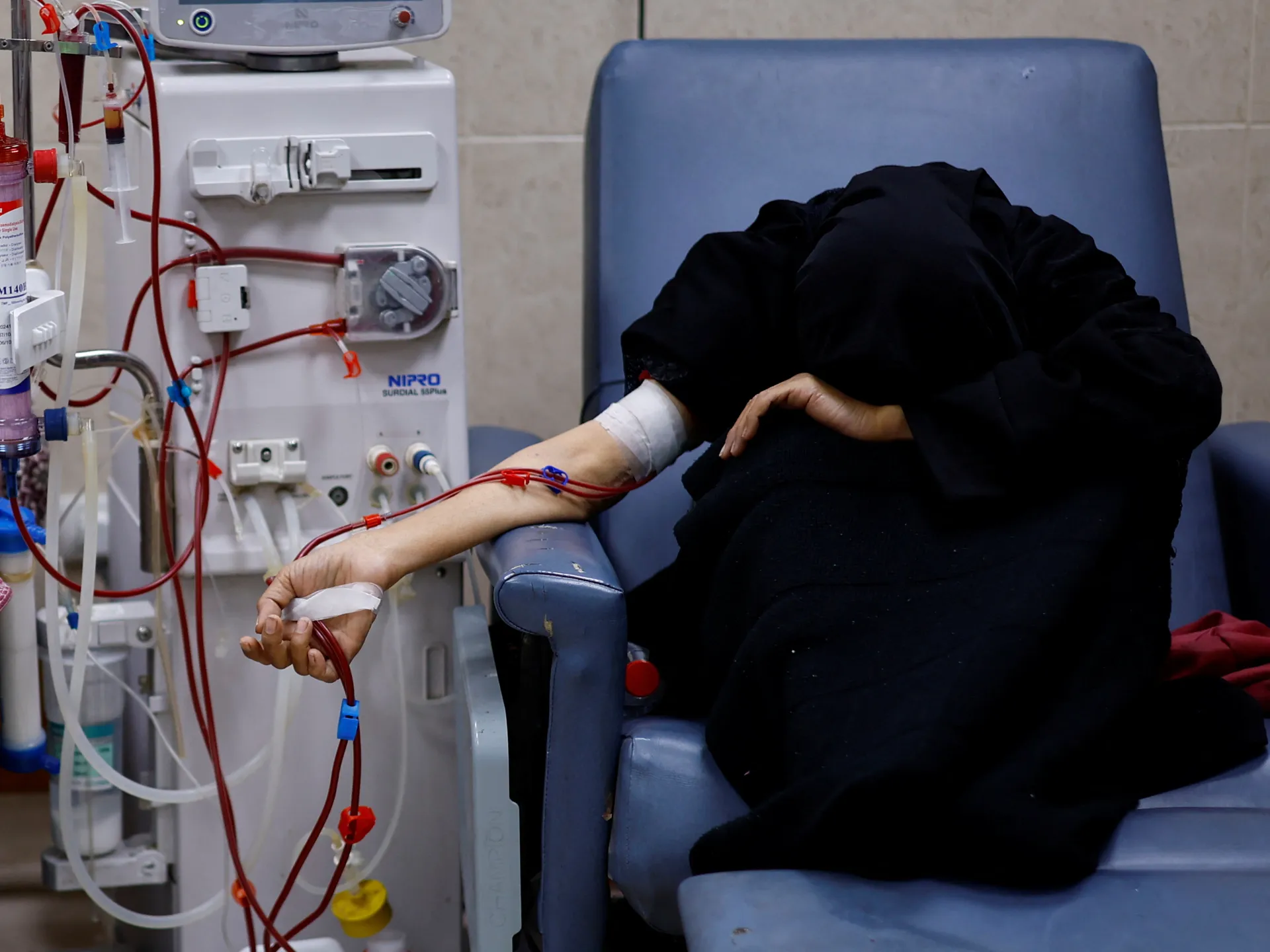
Gaza’s Health Ministry has accused Israel of preventing more than 16,500 Palestinians requiring medical treatment abroad from leaving the enclave, citing severe restrictions at border crossings that the ministry argues are effectively killing patients. The accusation comes despite a nominal ceasefire being in place since October 2025, with the ministry highlighting that the Rafah crossing is open only three days a week and the Karem Abu Salem crossing permits medical evacuations just one day a week.
Maher Shamia, acting undersecretary of Gaza’s Health Ministry, stated that the occupation bears full responsibility for the crisis due to the continued closure of the Rafah border crossing, which serves as the main gateway for patients. Shamia called on human rights organisations to exert pressure on Israel to allow Palestinians to freely exit and re-enter Gaza, noting that a large portion of patients could be treated locally if the territory’s healthcare infrastructure were rebuilt.
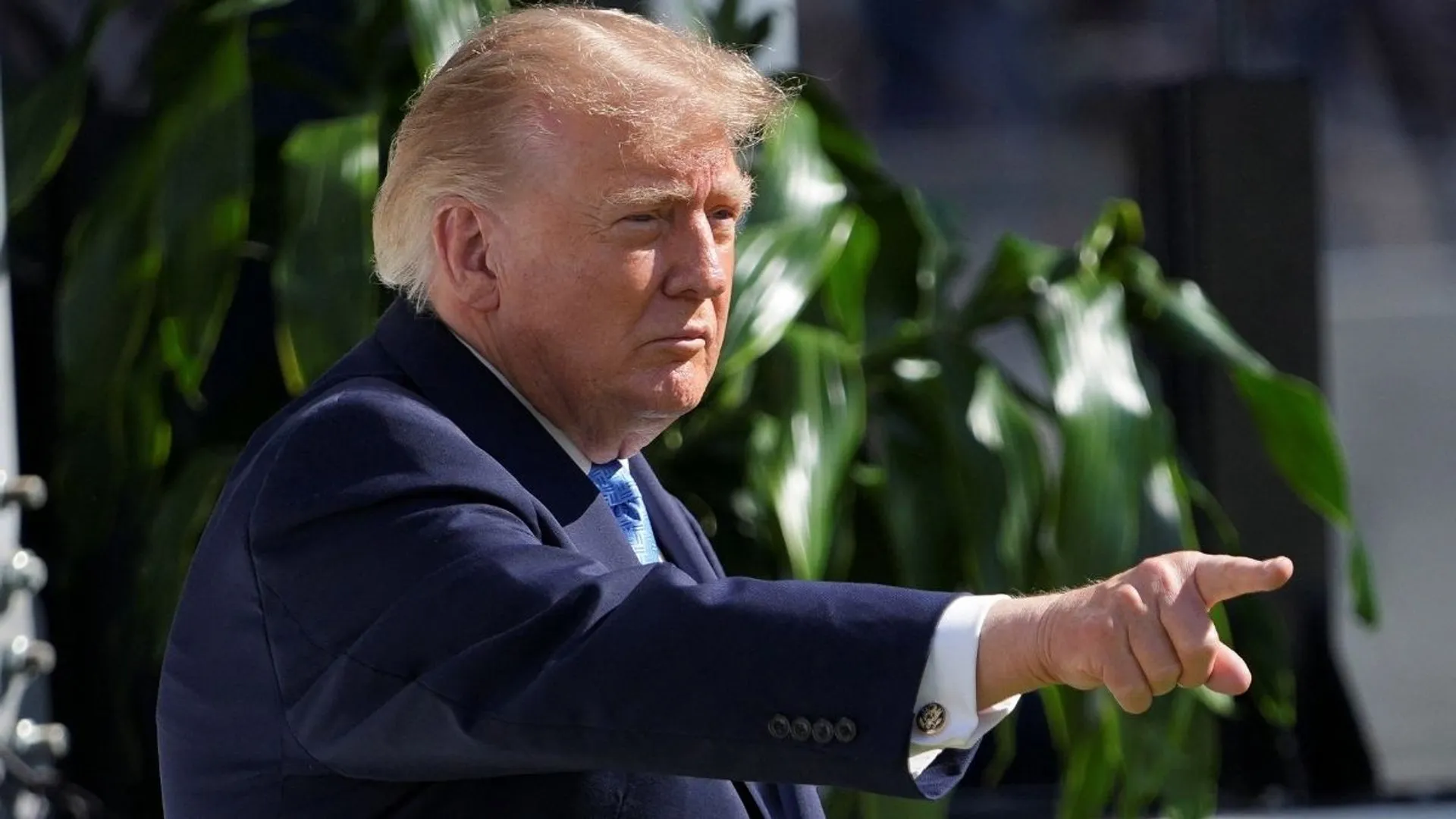
UN Secretary-General Antonio Guterres has called for the immediate reopening of all crossings into Gaza to allow unrestricted humanitarian aid and medical access. Guterres expressed deep concern over the closures and reiterated his call for the rapid, safe, and unhindered passage of humanitarian assistance at scale throughout Gaza, emphasizing the urgent need to address the blockade’s impact on civilian health.
The humanitarian situation in Gaza remains dire, with almost 90 percent of the population displaced and high levels of food insecurity. In April, the UN and European Union warned that human development in Gaza had been set back by 77 years, requiring $71bn for recovery and reconstruction. The joint assessment indicated that more than $26bn would be needed to restore essential services, rebuild critical infrastructure, and support economic recovery during the first 18 months.
Under the ceasefire deal brokered by the US and regional leaders, approximately 600 trucks of aid are supposed to enter Gaza daily. Israel states it is allowing the agreed amount of aid, while Hamas accuses Israel of deliberately hindering vital supplies. A new round of peace talks began in Egypt on Sunday, with Hamas insisting that Israeli attacks must halt for progress to be made, while Hamas political bureau member Husam Badran stated that the group would not hand over its weapons yet.