Ukraine targets 'Masha and the Bear' producers with new sanctions
Kyiv has imposed sanctions on the studio and creators of the popular Russian cartoon to facilitate its removal from international streaming platforms, citing pro-Russia narratives.
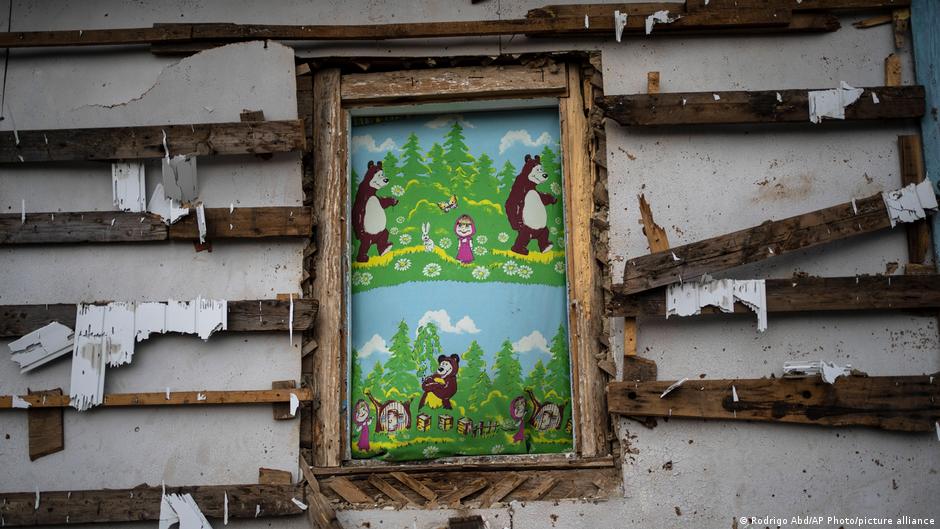
Ukraine has moved to impose sanctions on the producers and distributors of the Russian children’s cartoon series "Masha and the Bear," a decision designed to create legal grounds for blocking the content and restricting its monetisation on global platforms. Culture Minister Tetyana Berezhna announced the measure on Friday, stating that the sanctions target the studio, the show’s founder, and the scriptwriter and director.
The decree, signed by President Volodymyr Zelenskyy, cites the creators for spreading "pro-Russia narratives" that pose a threat to Ukrainian national security. Berezhna described the series as Russian propaganda, arguing that it has no place on children’s screens in Ukraine or elsewhere. The move is intended to engage international platforms such as YouTube and Netflix to limit the show’s distribution and revenue streams.
The series, which launched in 2009 and is based on a Russian oral fairytale, has become one of Russia’s most successful televisual exports. According to Berezhna, the Ukrainian-language channel for the show recorded 800 million views in 2025 alone and currently holds roughly 18 million subscribers. As of June 2026, the series has accumulated more than 54 billion combined views on YouTube, ranking it among the 50 most popular feeds on the site.
Ukraine intends to seek international partners to mirror these sanctions, potentially widening the scope of the restrictions. This follows earlier protests by Kyiv against Netflix’s acquisition of rights to stream new seasons of the cartoon. The issue has also drawn attention from allies, including Estonia and the United Kingdom, where officials and parliamentarians have raised concerns about the depiction of Russian and Soviet military symbols in the episodes.
The production company, Animaccord Animation Studios, has responded by labelling past allegations of Russian propaganda as "false and defamatory." The studio asserts that it operates independently and receives no funding from the government in Moscow.
In the Kremlin, spokesman Dmitry Peskov criticised the move, describing the cartoon as a series that "conquered the world" by promoting "the finest human qualities." Peskov suggested that Ukraine’s decision to target the cartoon serves as an illustration of the "ugly nature" of the authorities in Kyiv.