Paz concedes to Congress as Bolivia dismisses economy minister
The removal of Jose Gabriel Espinoza marks a strategic reversal for the administration, which had initially planned to challenge the censure in tribunal.
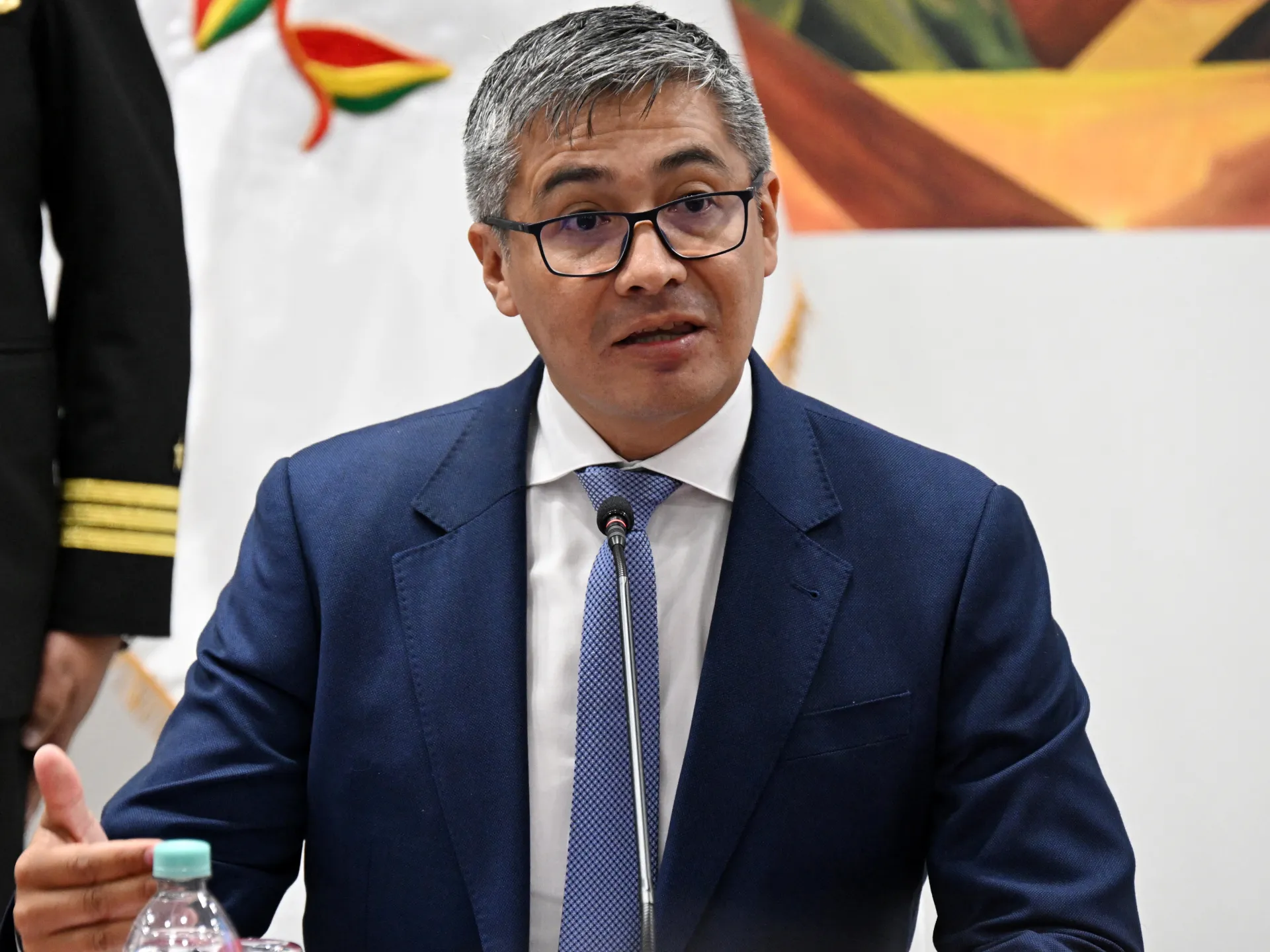
Bolivian President Rodrigo Paz has dismissed Economic Minister Jose Gabriel Espinoza following a censure vote by the country’s Congress. The removal was formalised via a government decree published in the official gazette on Friday, which also appointed Oscar Mario Justiniano Pinto as the interim economy minister. The decree does not specify a timeline for the appointment of a permanent replacement.
The dismissal marks a reversal in the Paz administration’s stance. On Tuesday, the legislature voted to censure Espinoza after he failed to appear to answer questions regarding the economy. Under the Bolivian constitution, a censure vote typically leads to a subsequent dismissal. The government initially indicated it would challenge the decision in a tribunal, but the Friday decree suggests the president has changed course.
The move is viewed as a concession by Paz, who faces public anger over the cost-of-living crisis and ongoing economic reforms. The administration is currently seeking congressional support for a series of economic reforms and a financing programme from the International Monetary Fund. Opposition lawmaker Roland Pacheco described the decision as a measure of humility and compliance with the constitution.
Paz was elected in October last year, ending nearly two decades of governance by the Movement Toward Socialism. His victory was driven by concerns over Bolivia’s economic conditions, including a decline in natural gas production and foreign currency reserves. As of 2024, over 37 per cent of the population was below the national poverty line.
The cabinet shake-up comes amid significant domestic unrest. The government’s removal of longstanding fuel subsidies in December and a land reform policy in April sparked protests and roadblocks. Paz declared a state of emergency in June, with Congress approving the use of the military to clear blockages.
Former President Evo Morales continues to oppose the administration’s austerity measures. Morales, who faces arrest warrants for encouraging an “armed uprising” and statutory rape, has accused the government of persecuting him to conceal a deep economic and social crisis.