Ukraine summons Israeli ambassador over grain from occupied territories; Tuapse refinery struck
Foreign Minister Andrii Sybiha demands action on shipments from Russian-held land, while Gideon Saar rejects the use of online platforms for formal diplomatic grievances.
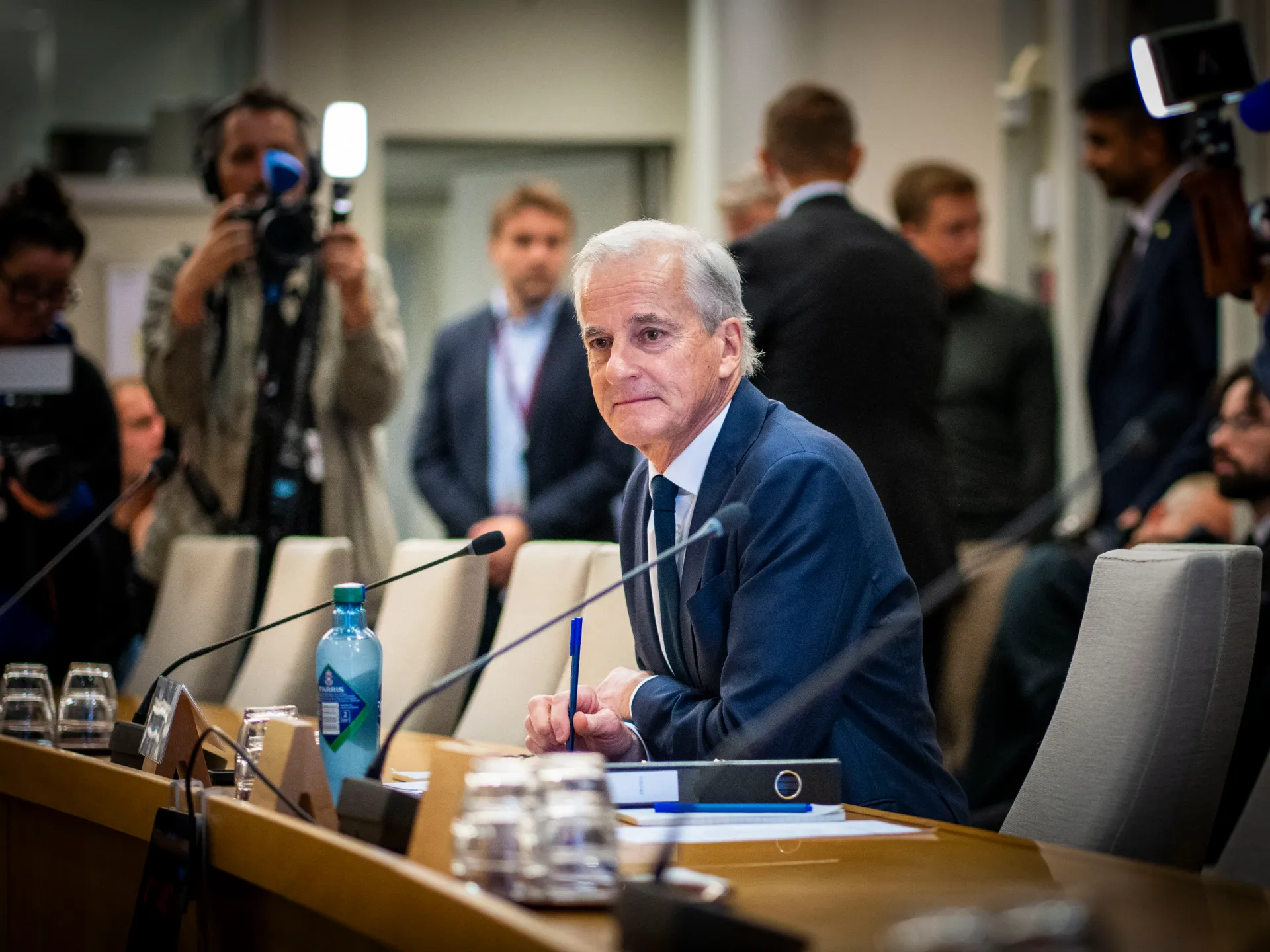
Ukraine has summoned the Israeli ambassador to the Ministry of Foreign Affairs to present a formal protest note regarding the acceptance of grain shipments originating from Russian-occupied Ukrainian territories. Foreign Minister Andrii Sybiha characterised the cargo arriving in Haifa as stolen goods, marking the second vessel to deliver such supplies since the diplomatic row began. Kyiv argues that friendly bilateral relations are being undermined by Russia's illegal trade, prompting a summons to the embassy on Tuesday morning to request appropriate action.
The diplomatic dispute stems from Foreign Minister Sybiha's announcement on Monday evening via social media platform X, which detailed the arrival of the grain shipment. He warned that the continued flow of these goods compromises the potential benefits of Ukrainian-Israeli relations. In response, Israeli Foreign Minister Gideon Saar criticised the conduct of the protest, stating that allegations do not constitute evidence and that diplomatic relations between friendly nations should not be conducted through social networks or the media.
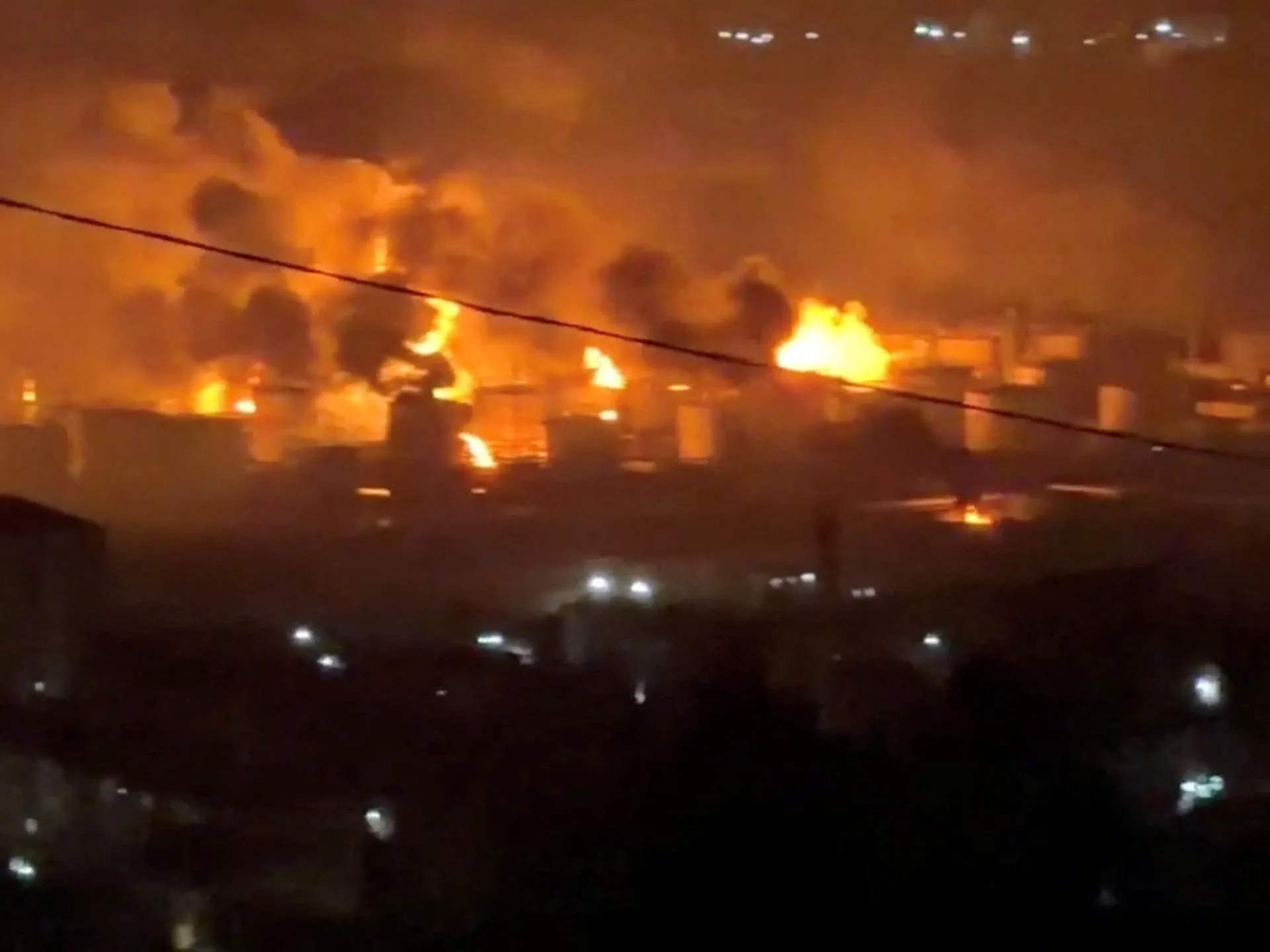
This diplomatic friction coincided with a separate security development involving Ukrainian drone attacks on Russia's Tuapse oil refinery in the Black Sea. The strike triggered a massive fire at the Rosneft-owned facility, forcing the evacuation of residents and halting operations. Veniamin Kondratiev, governor of Russia's Krasnodar region, confirmed on Tuesday that more than 160 personnel were battling the blaze, with temporary shelter established for displaced residents at a nearby school.
The Tuapse incident is part of a broader Ukrainian campaign targeting Russian oil infrastructure to counteract revenue windfalls generated by the suspension of sanctions on Russian oil following the US-Israel conflict with Iran. Previous attacks have severed up to 40 per cent of Russia's oil export revenue by striking terminals in the Baltic Sea, including Ust-Luga and Primorsk, as well as refineries in Bashkortostan and Saratov.
Russia currently occupies approximately one-fifth of Ukrainian territory, leading Kyiv to previously sanction individuals and businesses cooperating with Russian forces in these areas. The ongoing dispute highlights the tension between Kyiv's efforts to isolate occupied zones and Israel's refusal to engage in formal diplomatic channels outside of established protocols.
While the specific mechanics of the grain dispute remain the focus of the immediate diplomatic row, the broader geopolitical backdrop includes the suspension of sanctions on Russian oil and the ongoing war in Iran. The Centre for Research on Energy and Clean Air estimated that Russia earned an additional 672 million euros in oil sales during the first two weeks of the conflict, a figure Ukraine aims to mitigate through its escalation of attacks on oil infrastructure.