Ukraine strikes Iranian vessel in Caspian Sea as Middle East conflict widens
The long-range strike on a commercial ship marks a significant geographic expansion of the Ukraine war, compounding pressure on Iran already facing a US naval blockade and Houthi disruptions.
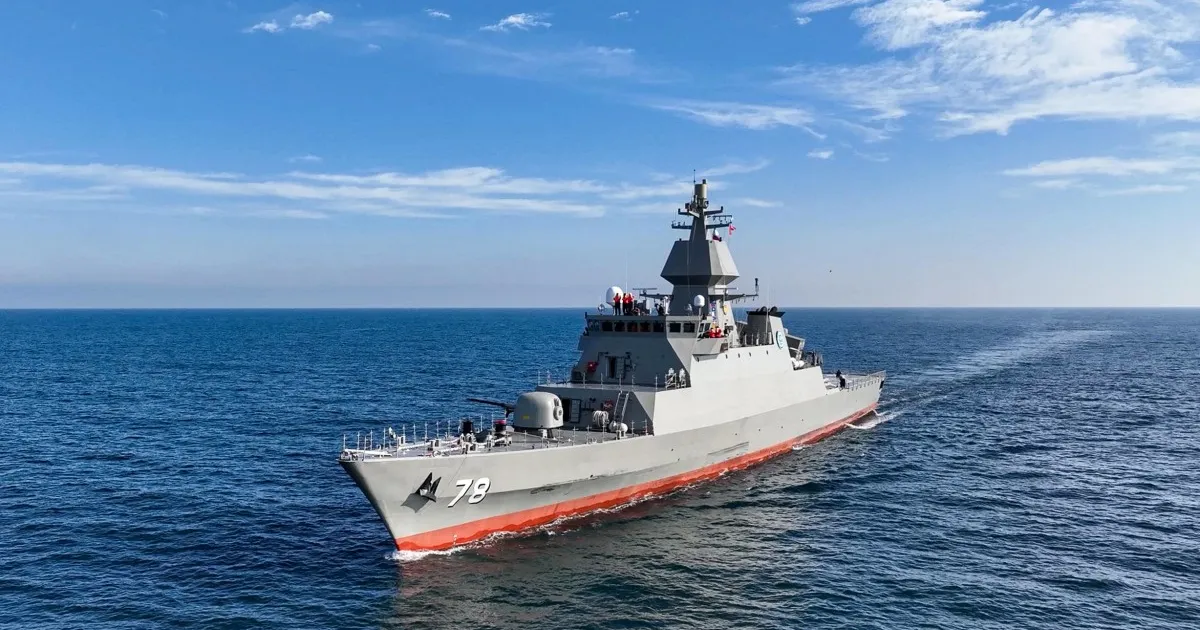
Ukraine has conducted a long-range strike on an Iranian commercial vessel in the Caspian Sea, resulting in the death of one sailor and injuries to another. The attack, which occurred on Saturday, has drawn sharp condemnation from Tehran, which summoned Ukraine’s charge d’affaires and labelled the incident a “hostile and criminal” act. The strike marks a significant shift in the geographic scope of the conflict, as the Caspian Sea has historically been a zone of economic and strategic interest rather than active combat.
Iran’s Foreign Ministry described the incident as a violation of Article 2(4) of the United Nations Charter and warned it could further expand the Russia-Ukraine war. Iranian Foreign Minister Abbas Araghchi discussed the attack with EU foreign policy chief Kaja Kallas, calling for a firm response from the UN Security Council and the EU. Araghchi demanded accountability for those responsible and for countries supporting Ukraine, while reiterating that Tehran has never directly intervened in the conflict in Ukraine.
Ukrainian President Volodymyr Zelenskyy stated that the strike targeted vessels carrying military cargo linked to Iran, as well as a Russian warship. In a post on X, Zelenskyy accused Moscow of providing satellite intelligence to support Iran’s military campaign in the Middle East. He claimed that since the beginning of July, Ukraine had recorded active Russian satellite surveillance of US military facilities in Bahrain, Jordan, and Kuwait, which were subsequently used by Iran to prepare and assess strikes.
The incident occurs amid heightened tensions despite a pause in US attacks on Iran following 13 consecutive nights of bombardment. Mediation efforts are currently underway, with reports indicating that Qatar, Egypt, and Pakistan have presented a proposal for a 10-day pause in fighting to allow negotiations over a previously agreed memorandum of understanding. US President Donald Trump reportedly opted to give diplomatic efforts more time instead of authorising a 14th consecutive night of air attacks.
Analysts suggest the strike may be an attempt to exert economic pressure on Tehran, particularly given Iran’s reliance on the Caspian Sea for energy exports and military logistics. The attack compounds pressure on Iran, which is already facing a US naval blockade in the Strait of Hormuz and disruptions in the Red Sea. Michael Mulroy, a former US deputy assistant secretary of defence for the Middle East, noted that Washington’s options are limited if the standoff continues, highlighting the strategic risks of a closed Strait of Hormuz.