Ukraine retaliates against distant Russian gas infrastructure following overnight assaults
A strike on facilities in the Orenburg region, located more than 1,500km from the border, marks a significant escalation after Russian attacks killed six people in Ukraine's Dnipropetrovsk region
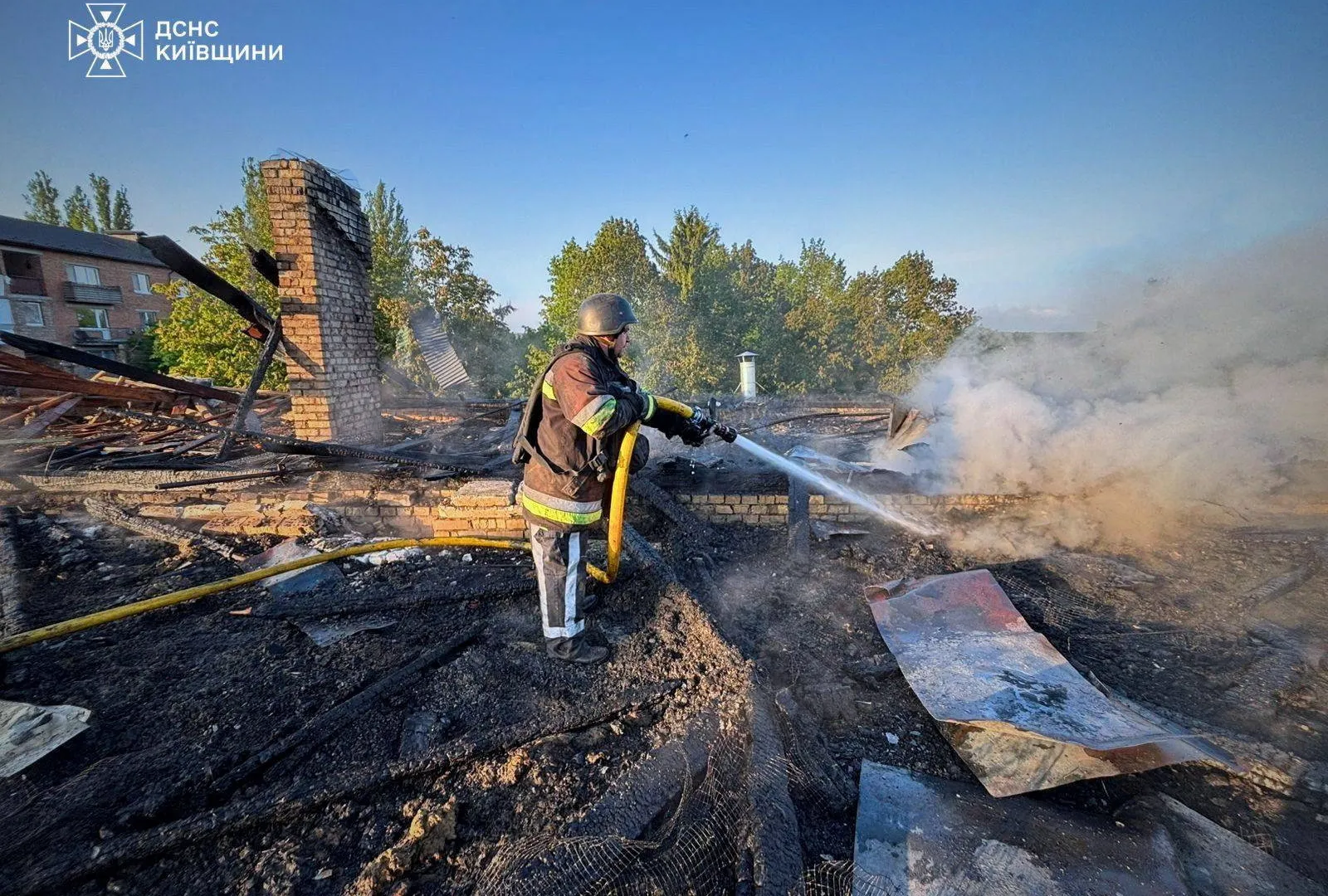
Ukraine has launched a retaliatory strike against gas facilities in the Orenburg region of southwest Russia, a location situated more than 1,500km from the Ukrainian border. President Volodymyr Zelenskyy confirmed that the attack was a direct response to overnight Russian assaults that resulted in the deaths of at least six people in Ukraine's Dnipropetrovsk region. The President stated that Kyiv intends to act symmetrically in response to Moscow's aggression, marking a significant escalation following the expiration of a three-day ceasefire brokered by US President Donald Trump.
The targeted infrastructure in the Orenburg region includes industrial assets considered vital to Russia's military and economy. While Russian Governor Evgeny Solntsev reported that nine Ukrainian drones were intercepted over the area, causing damage to a residential building, a school, and a kindergarten, he noted that no injuries were sustained. Conversely, President Zelenskyy indicated that Kyiv had been subjected to attacks involving more than 200 drones, which damaged energy facilities, apartment buildings, a kindergarten, and a civilian train across six regions.
Diplomatic efforts to stabilise the situation appear to have stalled, with Ukraine's Foreign Minister Andrii Sybiha stating that Moscow refused an offer to extend the Trump-brokered truce. This rejection comes as the conflict, which has evolved into a war of attrition over more than four years, continues to see high-level rhetoric from both sides. Russian President Vladimir Putin recently tested a new nuclear-capable intercontinental ballistic missile, describing it as the most powerful in the world and capable of penetrating all existing anti-missile defence systems.
In televised comments regarding the new weapon, President Putin suggested that the war was nearing its end, a claim disputed by Ukrainian leadership. Kremlin spokesperson Dmitry Peskov reiterated that progress in peace talks allows for the assertion that the conflict's completion is approaching, though he cautioned against providing specifics. President Zelenskyy strongly disagreed with this assessment, warning that Russia has no intention of ending the war and that Ukraine is preparing for further attacks.
European officials have also weighed in on the latest developments, with EU foreign policy chief Kaja Kallas characterising Putin's comments as a sign of weakness. Meanwhile, US President Donald Trump, while departing for China, indicated he believes the end of the war is getting very close. Reports suggest Washington is attempting to negotiate a new temporary ceasefire that would include sanctions relief for Russia, though Ukrainian officials remain concerned about the lack of security guarantees in such proposals.
The expiration of the recent pause in hostilities, which coincided with Russia's Victory Day celebrations, has seen a resurgence in offensive actions. As the situation remains fluid, the focus remains on whether diplomatic channels can be reopened or if the escalation will lead to further military engagement between the two nations.