Ukraine pivots to Gulf allies for defence support as Trump signals potential Russia ceasefire
President Zelensky has visited Saudi Arabia, the UAE and Qatar to share drone warfare expertise following recent Iranian strikes, securing defence deals as European leaders remain wary of US commitment under the new administration
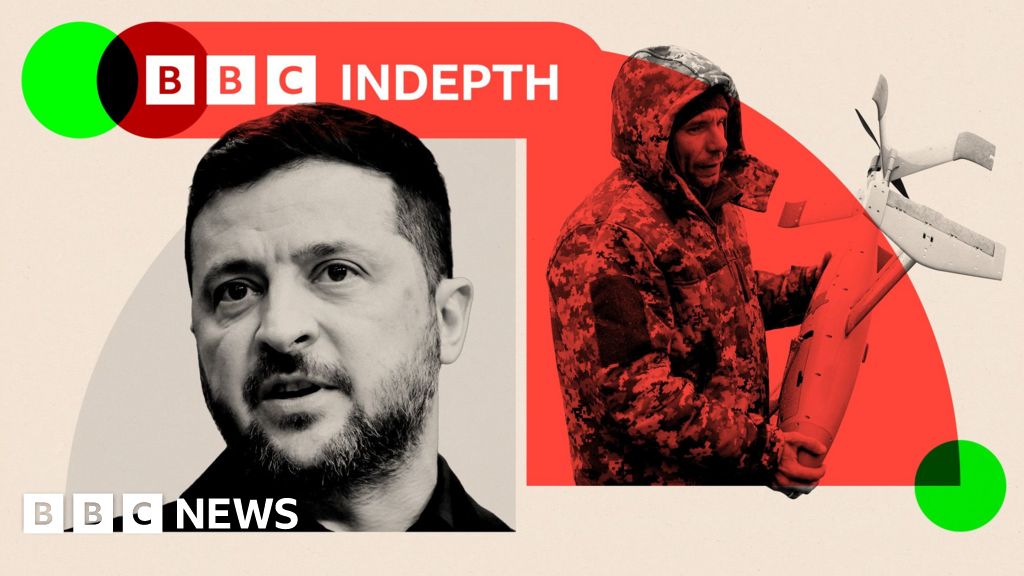
President Volodymyr Zelensky has visited Gulf Cooperation Council nations to capitalise on their recent experience with Iranian drone and missile attacks, securing defence agreements to share Ukrainian drone warfare expertise. The initiative aims to bolster Ukraine's military position and secure funding as the United States focuses its attention on the conflict in Iran.
Specific defence deals have been signed with Saudi Arabia, the United Arab Emirates, and Qatar, capitalising on the Gulf states' vulnerability to Iranian ballistic missiles and drones. Concurrently, Ukraine has formalised substantial support packages with European allies, including a $28bn defence support agreement with Norway and a $4.7bn deal with Germany covering drones, missiles, and software.
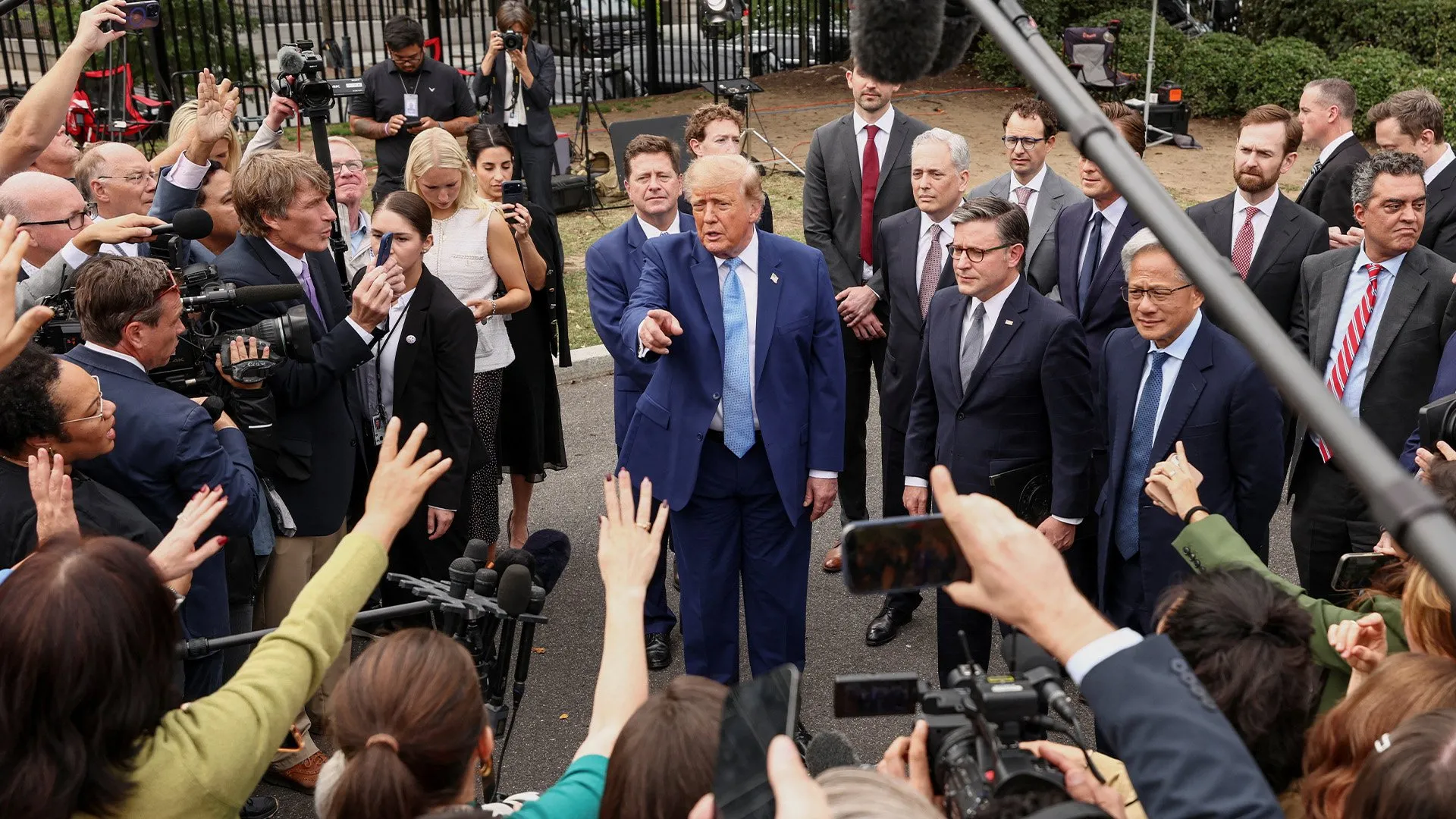
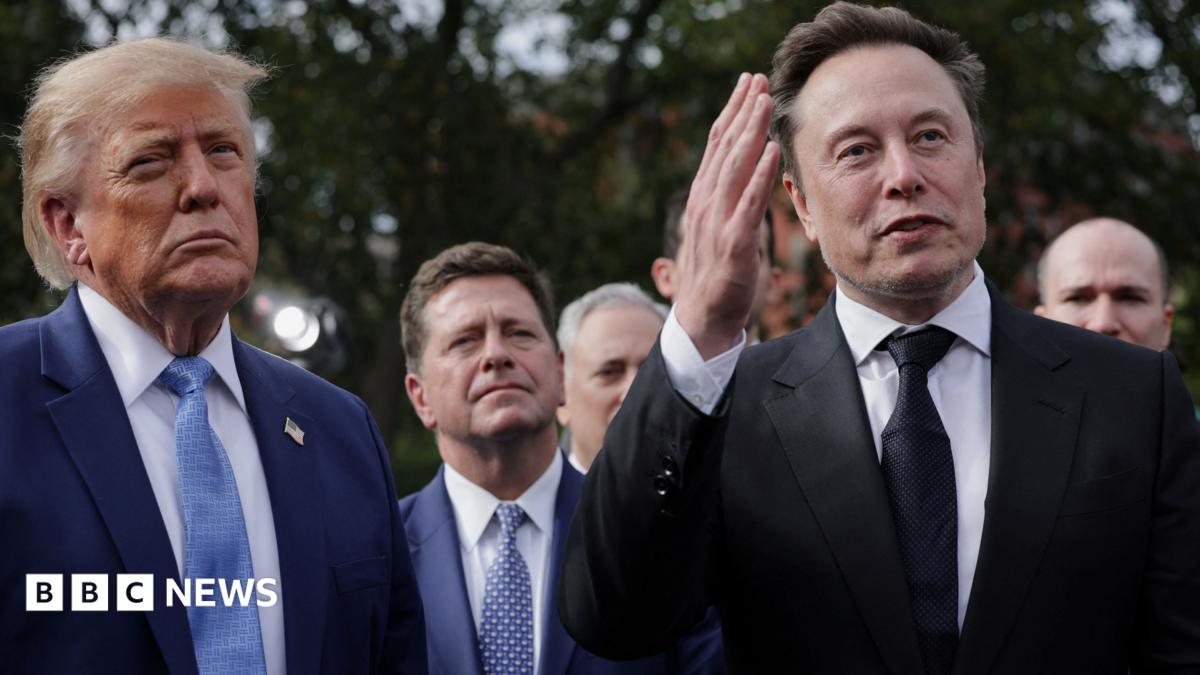
While these alliances strengthen, US President Donald Trump has indicated that a ceasefire between Ukraine and Russia could be reached relatively quickly following a conversation with Vladimir Putin. This stance contrasts with the caution expressed by European leaders regarding the reliability of US commitment and the continuation of Russian aggression.
The geopolitical landscape has shifted significantly with the United States directing resources toward the Middle East. Ukraine has diversified its support network to mitigate this shift, including the recent approval of a €90bn loan by the European Union to purchase military equipment. This funding decision was enabled by the election of a new, less Russia-friendly leader in Hungary, who replaced Viktor Orbán.
Ukraine is utilising long-range drones to target Russia's energy infrastructure, reportedly reducing Russian energy sector earnings by approximately $1 billion in a single week despite global oil price surges. This strategy aims to weaken Russia's war footing while the nation pursues peace negotiations from a position of strengthened military capability.
European officials remain concerned that a potential US-led ceasefire might not include the security guarantees necessary to prevent future aggression. With the Trump administration showing signs of a shift in focus away from Ukraine, European leaders argue that decisive action is required to ensure continental security and a durable peace.