Ukraine Deputy Prime Minister Fedorov dismissed amid corruption reform claims
Daria Kaleniuk of the Anti-corruption Action Centre argues governance reforms are as critical as military changes
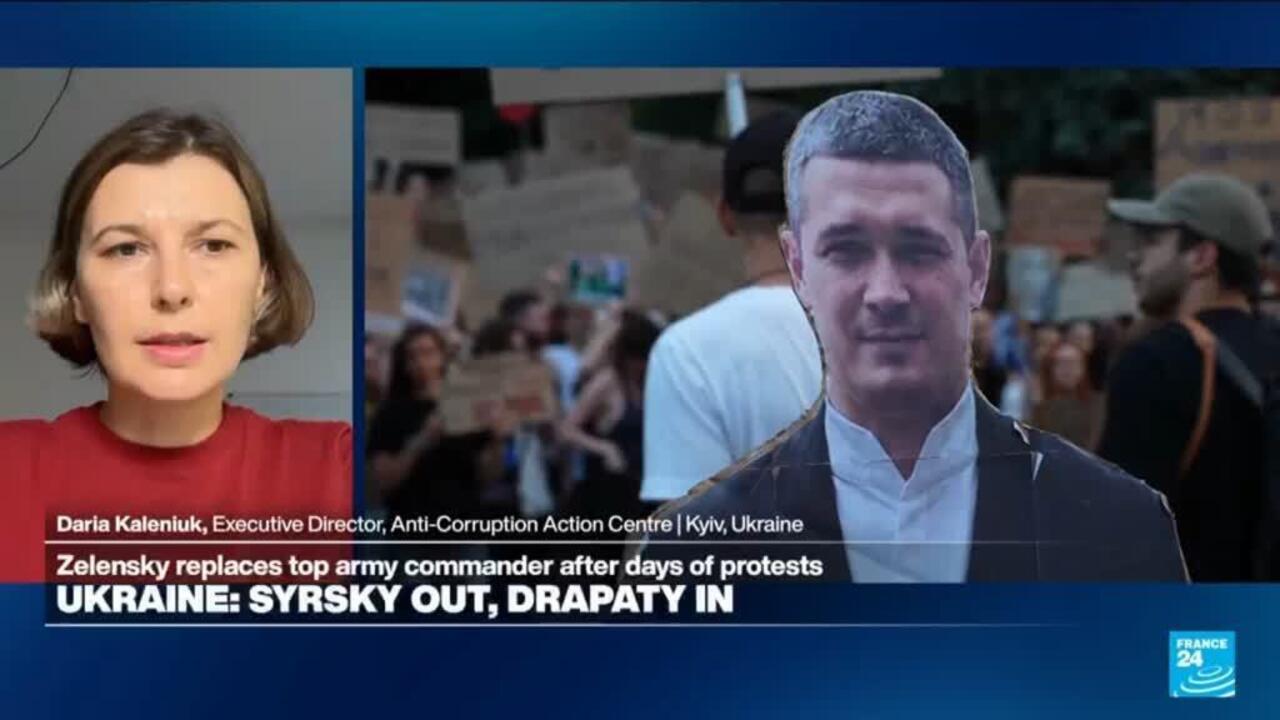
Ukraine has dismissed Deputy Prime Minister Mykhailo Fedorov, a move that has sparked allegations of retaliation for his efforts to combat corruption within the defence sector. According to reporting by France 24 on 22 July 2026, critics contend that the decision was driven by Fedorov’s successes in rooting out graft in the military establishment.
The dismissal comes at a time when Ukraine’s wartime challenges are increasingly viewed as institutional as well as military. Daria Kaleniuk, Executive Director of the Anti-corruption Action Centre, stated that battlefield success and democratic resilience are inseparable from deep reform of the defence establishment. She emphasised that the current crisis requires a comprehensive overhaul of governance structures rather than solely tactical military adjustments.
President Volodymyr Zelensky recently appointed a younger, reform-oriented commander-in-chief, a change that Kaleniuk welcomed. However, she argued that this appointment represents only half of the necessary reforms. In her assessment, the more consequential battle concerns governance and the institutional integrity of the state’s leadership.
The original headline from France 24 explicitly stated that Fedorov was fired for his successes in fighting corruption in the defence sector. While the official reason for the dismissal was not explicitly confirmed in the source material, the causal link to his anti-corruption work is presented as a significant allegation by observers and critics.
Kaleniuk’s comments underscore the belief that Ukraine must address internal institutional weaknesses to sustain its war effort. The Anti-corruption Action Centre, a Ukrainian NGO focused on combating corruption, has highlighted that without significant governance reforms, military changes alone may be insufficient to secure long-term stability and democratic resilience.