Ukraine appoints new army chief as protests over defence minister’s dismissal continue
President Volodymyr Zelensky replaces Oleksandr Syrsky following the largest war-related unrest since 2022, yet public pressure remains focused on the fate of the former defence minister.
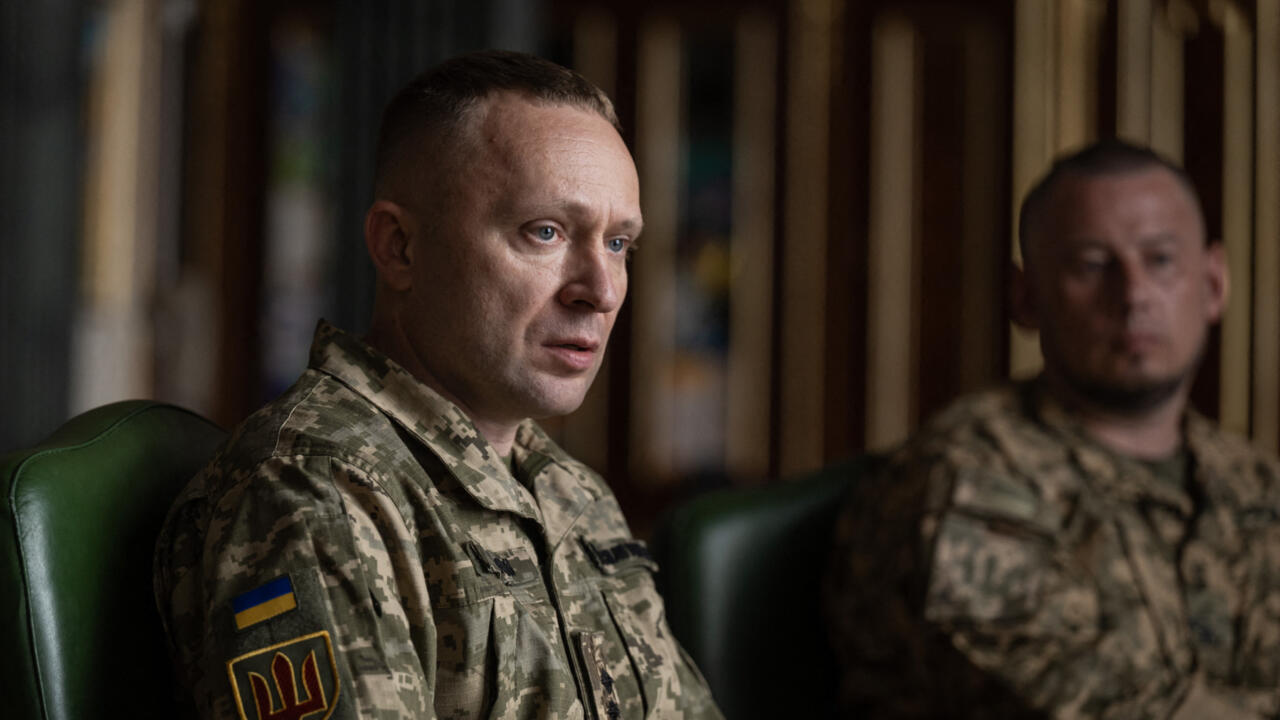
Ukraine has appointed Mykhailo Drapaty as the new army chief, replacing Oleksandr Syrsky following the largest war-related protests since the 2022 Russian invasion. While soldiers and civilians welcomed Drapaty, many demanded the reinstatement of former defence minister Mykhailo Fedorov, whose surprise removal sparked the unrest. Fedorov was credited with advocating for fixed-term contracts for mobilised soldiers and promoting drone technology, whereas Syrsky faced criticism for high casualty rates and alleged misconduct within the Skelia assault unit.
The appointment comes after President Volodymyr Zelensky sacked Syrsky on Tuesday to address public discontent. The unrest represents the largest war-related protests since Russia’s full-scale invasion in 2022, with the conflict now in its fifth year. Syrsky, a career officer who led the defence of Kyiv in 2022 and oversaw the successful counter-offensive in Kharkiv, was replaced following weeks of demonstrations demanding his removal and Fedorov’s return.
In Izium, a city 30 kilometres from Russian positions, soldiers expressed mixed reactions to the leadership change. A 22-year-old soldier using the nickname Khrest described Syrsky’s departure as a positive development but maintained that Fedorov’s reinstatement was essential. Khrest highlighted Fedorov’s lobbying for fixed-term contracts to clarify service durations and ensure rest periods for mobilised personnel, noting that many soldiers have been fighting without set terms.
Syrsky faced allegations of being linked to violence against new recruits in the Skelia assault unit; he described these violations as shameful and stated measures were taken against those responsible. Another soldier in Izium, nicknamed Ananas, criticised Syrsky’s leadership style, alleging he disregarded losses and contributed to high casualty rates. Ananas praised Fedorov for his efforts to enhance drone technology to reduce soldier deaths, suggesting that such reforms should not be abandoned.
Civil society involvement was cited as a key factor in influencing government decisions. Svitlana, a nurse in an airborne assault unit, welcomed Drapaty as a respected combat officer and acknowledged the role of civilian protests in ousting Syrsky. However, she cautioned against idealising Fedorov, noting that pay had decreased during his tenure, affecting families. Fedorov’s successor as defence minister is Yevgen Khmara, a figure from the security services, whose appointment has yet to generate significant public opinion.
In Kyiv, civilians echoed the sentiment that the leadership change was insufficient without Fedorov’s return. Oleg, a 69-year-old resident, argued that Zelensky had attempted to divert attention from the core issues and that meaningful change required replacements at the top of government. Political science student Taisiia Obod also expressed hope that Fedorov would remain within government to maintain momentum for his reforms and initiatives.