Ukraine appoints General Dapraty as top military commander following protests
The replacement follows allegations that Syrsky forced out Defence Minister Mikhailo Fedorov over disagreements regarding army modernisation reforms.
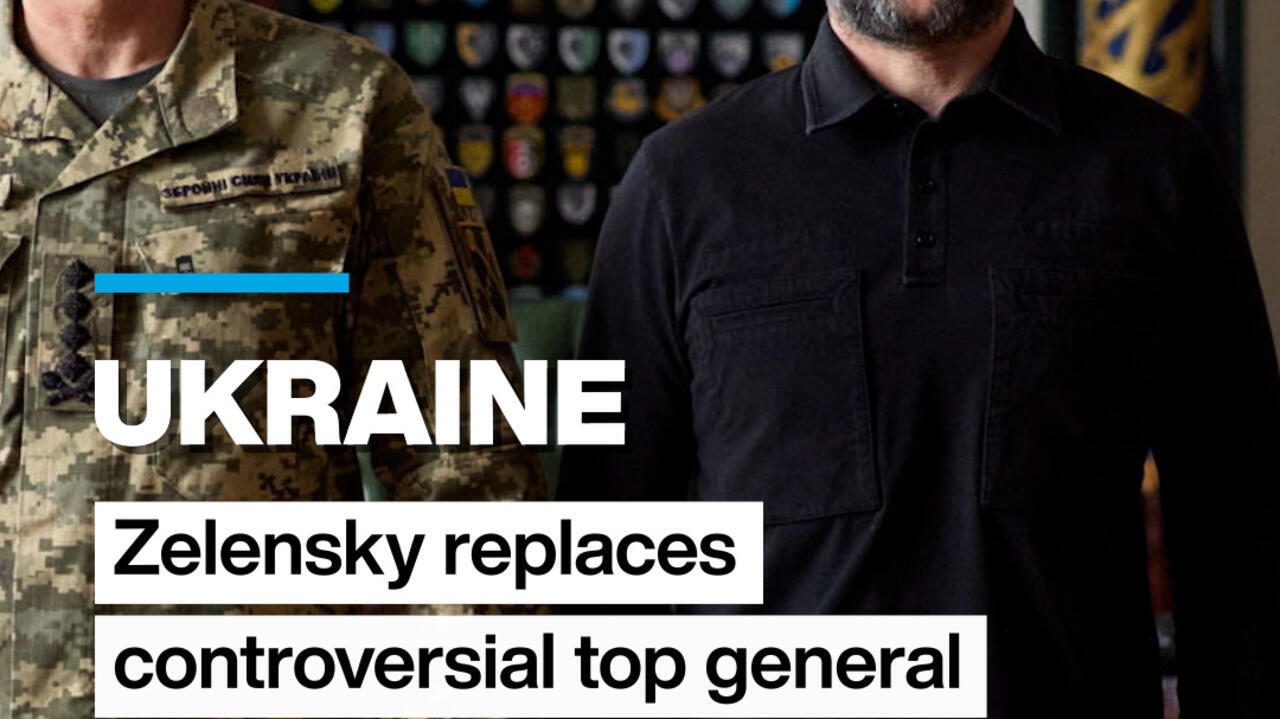
Ukraine has appointed General Mikhailo Dapraty as its new top military commander, ending a period of significant instability within the country’s armed forces leadership. The appointment follows days of mass protests that had demanded the departure of the previous commander, General Oleksander Syrsky.
The transition in military command was precipitated by allegations that Syrsky had orchestrated the removal of the popular Defence Minister, Mikhailo Fedorov. According to reports, the friction between the two officials centred on the pace and direction of military reform, with Fedorov reportedly reluctant to engage in changes aimed at modernising the Ukrainian army.
Syrsky faced intense public scrutiny over his handling of the defence ministry’s restructuring efforts. The protests, which erupted in the days leading up to the announcement, reflected broader dissatisfaction with the perceived obstruction of necessary institutional changes within the defence sector.
The departure of Fedorov was cited as a primary catalyst for the public unrest. His reluctance to support the modernisation agenda was interpreted by protesters and political observers as a barrier to necessary reforms, leading to calls for Syrsky’s resignation as the architect of that personnel change.
General Dapraty’s ascension to the role of top general marks a decisive shift in Ukraine’s military governance. The appointment signals an attempt to resolve the internal tensions that have plagued the defence establishment, although the specific details of the reforms Syrsky sought to implement remain undefined in public reports.
The event underscores the volatile intersection of military strategy and political accountability in Ukraine. With the new commander now in place, attention turns to how the military leadership will navigate the modernisation agenda that previously divided the top brass.