Ukraine and Israel escalate diplomatic row over alleged stolen grain shipment
Following a formal request from the Ukrainian Prosecutor General, the vessel Panoramitis has departed for neutral waters after Zenziper declined to accept the grain.
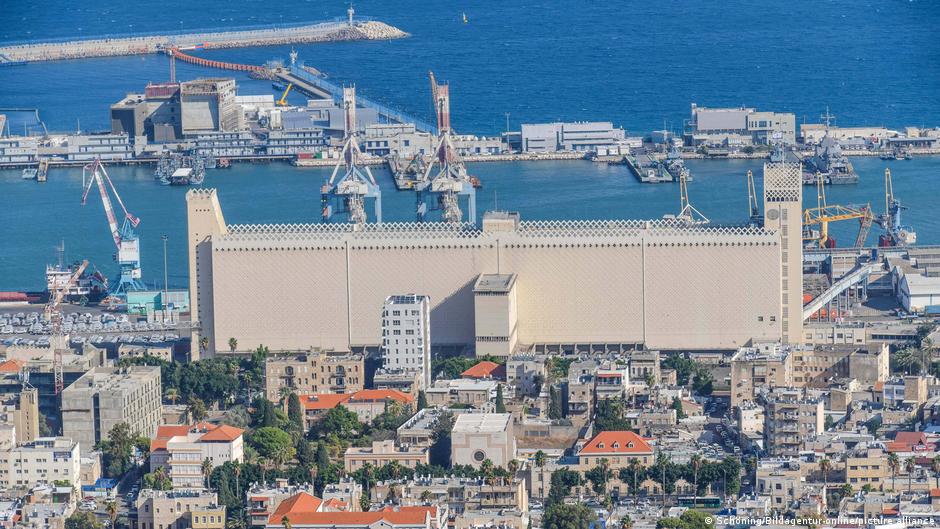
Tensions have escalated between Kyiv and Jerusalem following reports that a cargo ship carrying grain from Russian-occupied Ukrainian territories docked in Haifa. Ukrainian officials, including President Volodymyr Zelenskyy and Foreign Minister Andrii Sybiha, have formally labelled the grain as stolen goods and demanded legal action. They cite a value of over €388 million in illegally exported agricultural products originating from these occupied zones.
Israeli Foreign Minister Gideon Saar initially stated that evidence substantiating the allegations was lacking and criticised the use of social media for diplomatic disputes. However, the situation shifted after Ukrainian Prosecutor General Ruslan Kravchenko confirmed that a formal request for legal assistance was submitted to Israeli authorities to detain and search the vessel. This request specifically asked for the ship to be detained, searched, and for documents and grain samples to be secured.
In response to the intelligence and legal requests, the Israeli company Zenziper refused to unload a shipment from the freighter Panoramitis. This refusal marks the first time a suspected stolen grain shipment has not been accepted in Israel. The vessel subsequently departed Haifa and is now heading to neutral waters. Ukrainian Ambassador Yevgen Korniychuk confirmed the refusal and stated that criminal and sanctions proceedings will continue.
The dispute highlights the complexity of verifying the origin of agricultural products transported from occupied regions. Experts note that while the grain is transported from occupied territories and mixed with Russian grain at transshipment depots, it may appear as a legal product to buyers. This complicates the collection of evidence required for legal prosecution, yet Kyiv insists that purchasing such goods is a criminal offense.
Ukrainian authorities argue that Russia is systematically removing grain from the occupied territories and exporting it, a trade they claim violates Israeli law. President Zelenskyy has emphasised that Ukraine is working on a package of sanctions based on intelligence information, targeting those involved in transporting the grain and those seeking to profit from such criminal activities.
The refusal to unload the cargo sets a potential precedent for future cases involving suspected stolen grain imports. While the immediate legal request remains subject to the outcome of proceedings, the action taken by Zenziper signals a significant shift in how Israel handles such disputes following direct engagement with Ukrainian legal authorities.