Ukraine achieves net territorial gains in May, ISW data shows
Christina Harward, Russia Deputy Team Lead at the Washington-based think tank, attributes the shift to coordinated counterattacks and intensified long-range strikes on Russian soil.
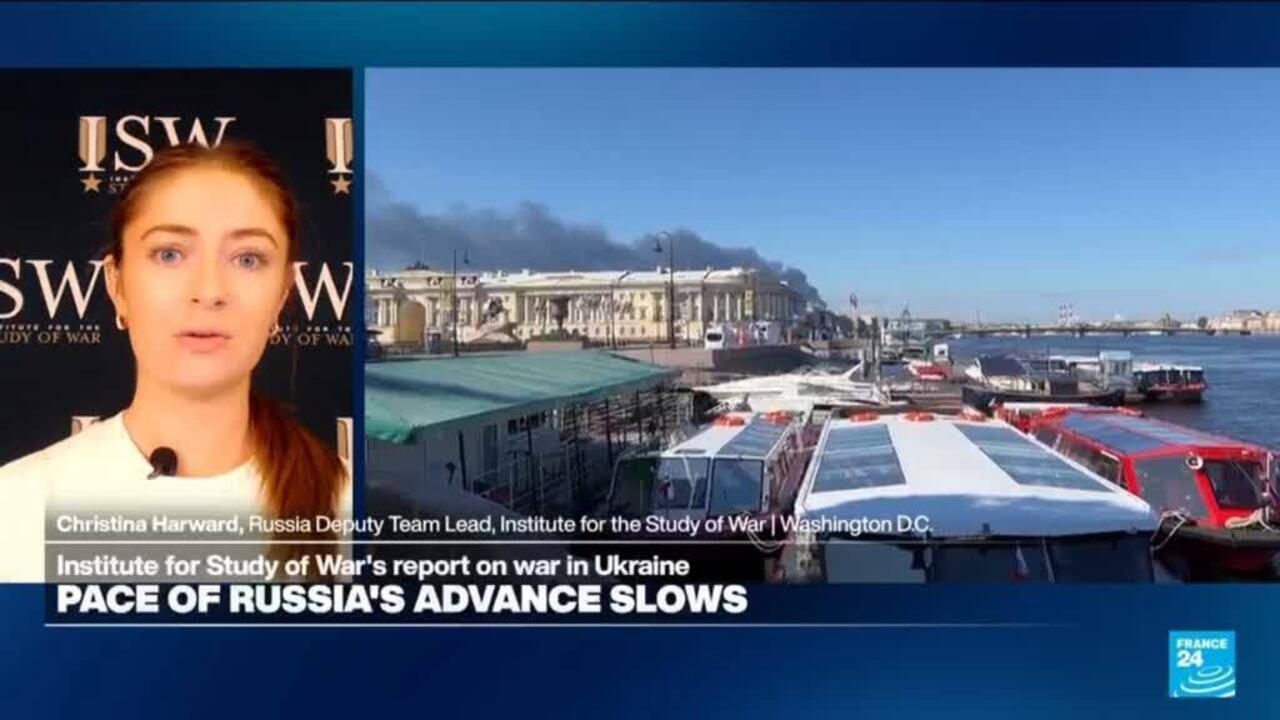
Ukraine has recaptured more territory than it lost to Russian forces during May, marking the second consecutive month of net territorial gains, according to data released by the Institute for the Study of War (ISW). The findings, provided to FRANCE 24, indicate a shift in momentum on the ground, challenging the narrative of steady Russian expansion in the east.
Christina Harward, the Russia Deputy Team Lead at the ISW, identified the primary drivers behind this reversal in the source material. She told FRANCE 24 that successful tactical counterattacks by Ukrainian forces, combined with an increase in long-range missile and drone strikes targeting Russian territory, were key factors in slowing the Russian advance in Eastern Ukraine.
The ISW, a US-based think tank that provides daily updates on the conflict, noted that the specific volume of territory recaptured versus lost in May was not quantified in their report. However, the qualitative assessment confirms a net positive outcome for Kyiv in terms of land control for the second month in a row.
Harward’s analysis suggests that the escalation of long-range strikes has had a tangible impact on the operational tempo of Russian forces. By targeting infrastructure and logistics within Russian borders, Ukrainian strategy appears to have disrupted the pace of the offensive in the east, forcing a recalibration of Russian military efforts.
This development comes amidst a broader context of high-intensity conflict, with recent incidents such as Russian drone strikes in Romania highlighting the spillover effects of the war. The ISW’s data underscores the evolving nature of the battlefield, where asymmetric tactics and deep-strike capabilities are increasingly influencing territorial outcomes.
While the report does not provide metrics on the precise strategic balance shift, the consistent pattern of net gains over two months suggests that Ukrainian forces have found effective methods to contest Russian advances. The focus now remains on whether these tactical successes can be sustained as the conflict enters its next phase.
The Institute for the Study of War continues to monitor the situation closely, with its daily updates serving as a key reference point for international observers and policymakers tracking the war’s progression. The May data adds a layer of complexity to the ongoing assessment of the conflict’s trajectory.