UK Unity Under Strain as Nationalist Gains and Mainland Fragmentation Mount
Analysis of the May 7 general elections highlights a volatile political landscape where insurgent parties and nationalist movements challenge the stability of the United Kingdom government.
The general elections held on 7 May have delivered significant gains for nationalist parties across the United Kingdom, raising concerns regarding the long-term stability of the union. The Scottish National Party is expected to strengthen its position in Scotland, while Plaid Cymru anticipates success in Wales, and Sinn Féin remains the leading force in Northern Ireland. Stephen Flynn, the Westminster leader of the SNP, has described the potential outcome as a "constitutional shock" for the isles, suggesting that the results reflect a profound shift in the political landscape.
Despite the rhetoric surrounding potential separation, experts caution that immediate independence referendums are unlikely due to insufficient support and poor political timing. Tim Bale of Queen Mary University of London notes that in Scotland, there is not enough public backing to compel the UK Parliament to grant another referendum, while in Wales, the surge appears to be a backlash against the Labour government in London rather than a direct desire to leave the union. Similarly, Tony Travers of the London School of Economics observes that Scottish nationalists are careful to avoid risking another defeat following the loss of the 2014 vote.
The broader political crisis extends beyond the devolved nations to the mainland, where Prime Minister Keir Starmer faces a severe challenge to his leadership. Polling data indicates a sharp decline in his personal approval ratings, with some surveys describing him as a "poor" or "terrible" prime minister. This sentiment is compounded by stagnant economic growth and a persistent cost-of-living crisis, leading to predictions that up to 2,000 Labour councillors could lose their seats in the concurrent council elections.
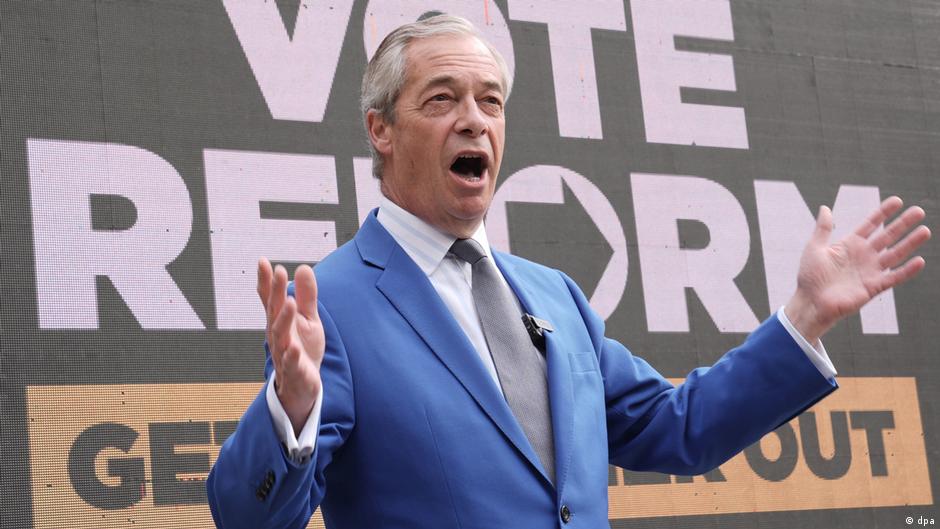
Fragmentation of the political landscape is further accelerated by the rise of insurgent parties capitalising on voter discontent. The Greens are targeting control of councils in major urban centres with their support for wealth taxes, while Reform UK appeals to voters in former industrial heartlands with strong stances on immigration. A notable dynamic has emerged between these groups, with Reform UK explicitly campaigning against the establishment of detention centres in areas that might otherwise vote Green, creating a complex strategic rivalry in local governance.
The underlying instability is inextricably linked to the legacy of Brexit, which has legitimised more radical voting choices and deepened disenchantment with mainstream politics. Tony Travers argues that the 2016 vote liberated voters to seek impact through non-traditional parties, a trend that continues to strain the governing capacity of the state. While the United Kingdom has not yet fractured, the seams are under increasing strain, leaving the government to navigate a more volatile and fragmented environment than at any point in the last decade.