UK reopens refugee resettlement scheme with places capped in the hundreds
The route will prioritise vulnerable Afghan women and girls, Palestinians and people with disabilities, with arrivals subject to security checks and a path to permanent settlement.
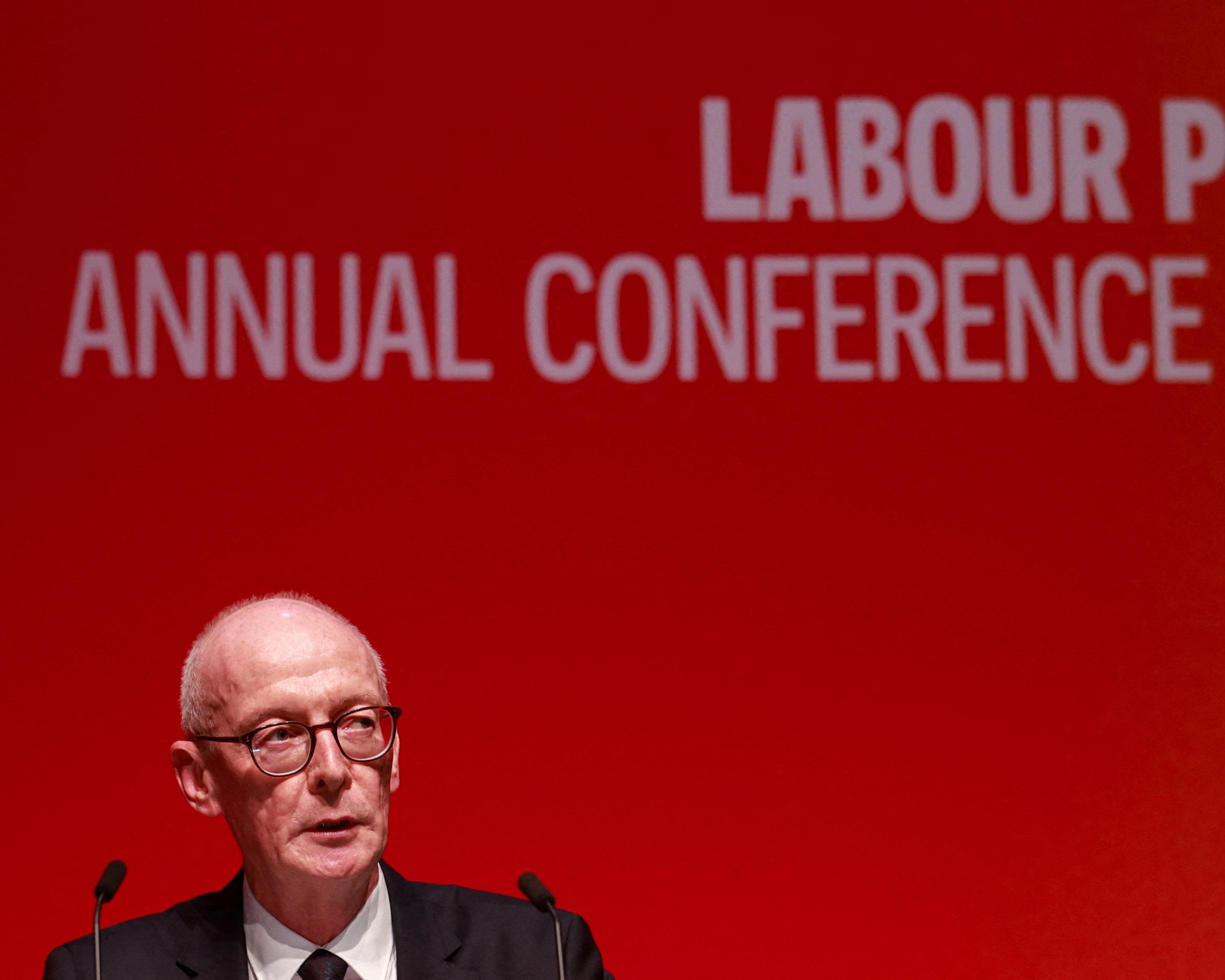
The UK will immediately reopen its refugee resettlement scheme, Home Secretary Shabana Mahmood is to announce, restoring a route that stopped accepting new referrals in December 2024. The Guardian reported the plan ahead of her announcement to the Labour conference.
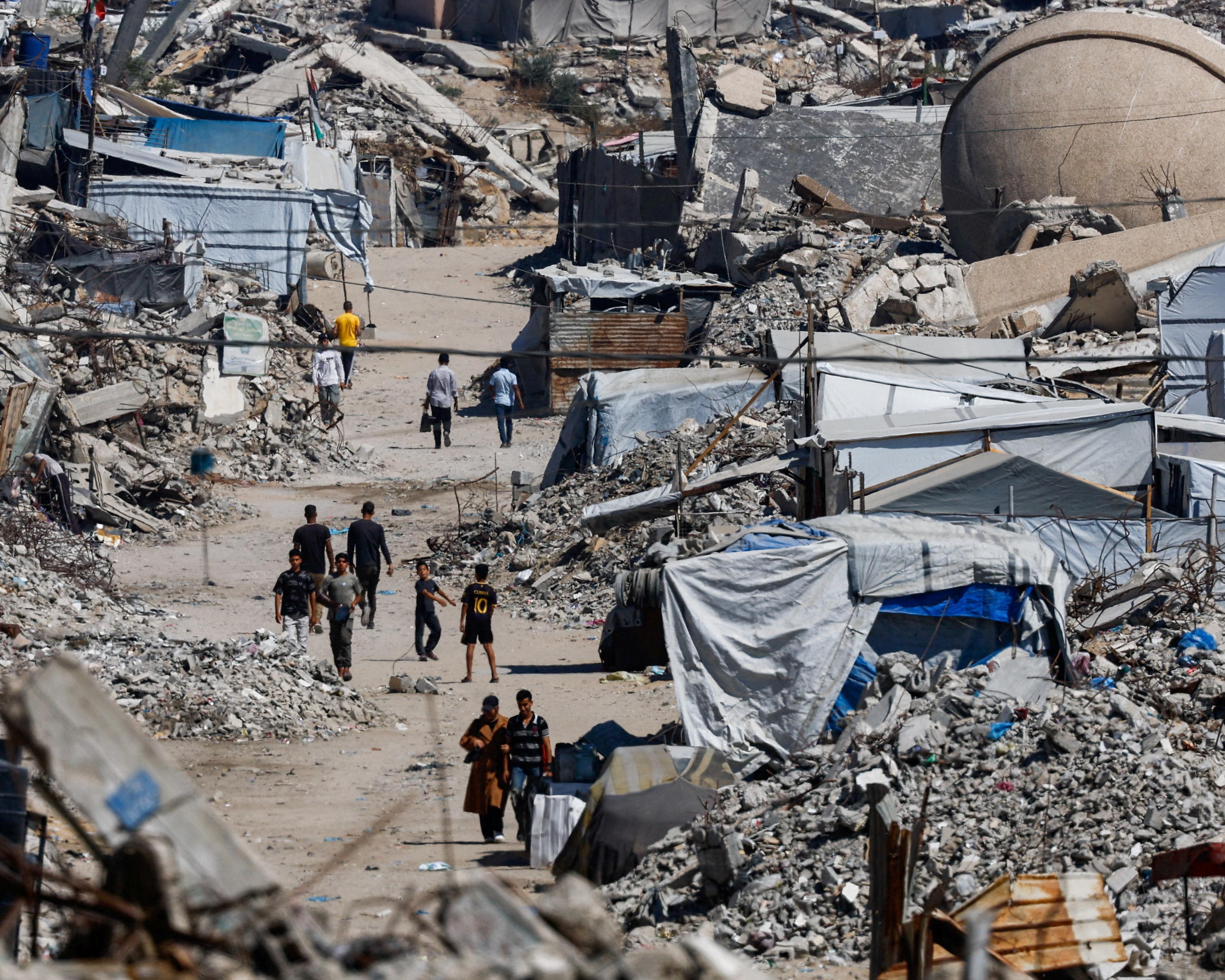
The scheme will prioritise vulnerable Afghan women and girls, Palestinians and people with disabilities. The Home Office expects those groups to make up about a quarter of arrivals. Numbers will be capped annually, initially in the hundreds, with Home Office sources saying they could grow to the low thousands if irregular migration falls.
Applicants will undergo security and criminality checks, and people admitted through the scheme will have a route to indefinite leave to remain after five years. Family units may come together, but extended-family reunification is excluded. The United Nations refugee agency and the International Refugee Assistance Project will identify refugees.
The government is also opening a community sponsorship route in October, allowing charities and non-profits to apply to host refugees. Applications for a work sponsorship route are expected to open in spring 2027. Sponsors will provide accommodation, integration support and help finding work.
The limited scale has drawn criticism from refugee organisations and experts, who say the scheme is unlikely to deter Channel crossings. Migration Observatory director Madeleine Sumption said resettlement was not a strategy to reduce unauthorised arrivals. Refugee Council policy analyst Jon Featonby said safe routes would need to offer thousands of places, rather than hundreds, to operate at scale.
The reopening comes as refugees arriving through irregular routes face status reviews every 30 months for up to 20 years under measures announced previously. Almost 300 people referred before the scheme’s suspension arrived in the UK during the first half of this year, according to government statistics.