UK Interior Minister Blocks Entry for Commentators on Public Good Grounds
The UK government has barred controversial commentators Hasan Piker and Cenk Uygur from entering the country, citing a determination that their presence is not conducive to the public good.
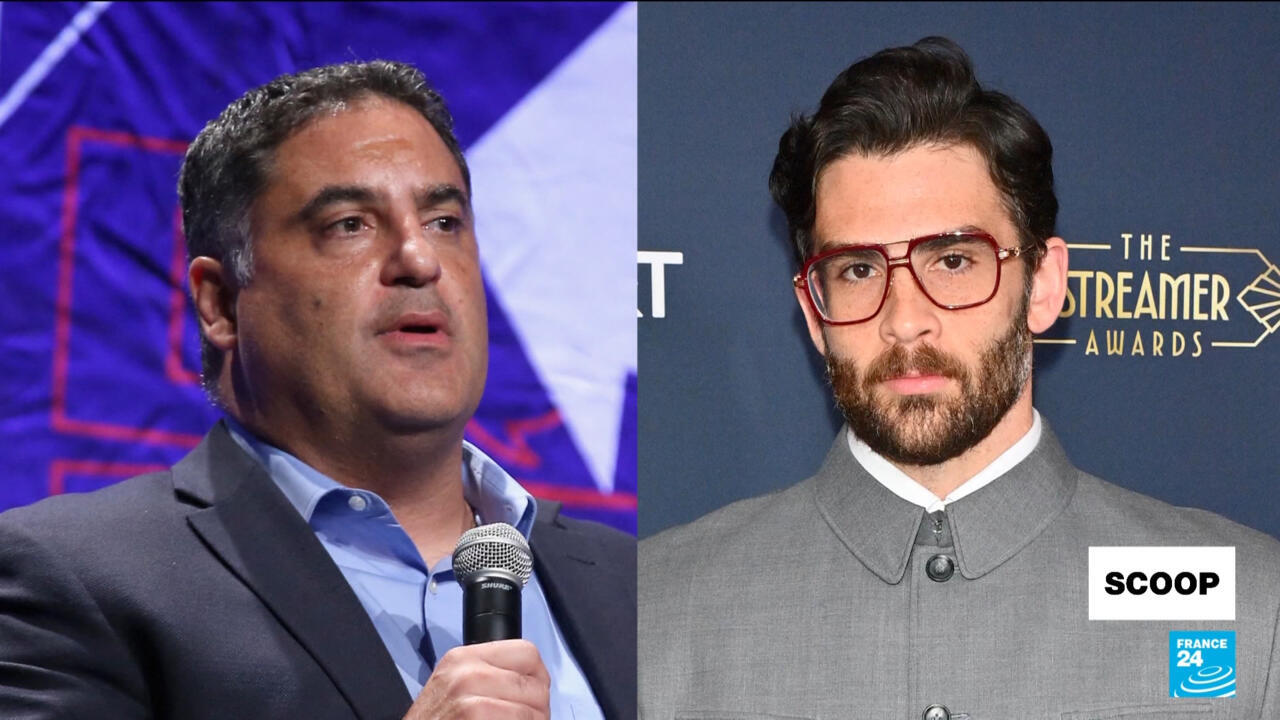
The UK interior minister has issued an entry ban for controversial left-wing commentators Hasan Piker and Cenk Uygur, ruling that their presence in the country is not conducive to the public good. The decision, reported by FRANCE 24’s media show Scoop on 12 June 2026, marks a significant intervention in immigration policy regarding high-profile foreign media figures.
The interior minister’s determination relies on a broad legal standard that allows for the exclusion of individuals deemed detrimental to national interests. This specific phrasing has been increasingly utilised by the government to keep out high-profile foreigners, providing a flexible mechanism for immigration control that does not require the disclosure of detailed evidence or specific legal breaches.
Jemimah Steinfeld, the chief executive of Index on Censorship, was cited as a guest expert discussing the implications of the ban. Her involvement highlights concerns within civil society organisations regarding the potential impact on free expression and the precedent set by utilising such vague criteria for entry restrictions.
The source material does not specify the precise nature of the comments or actions by Piker and Uygur that led to this determination. Furthermore, the duration of the ban remains unclear, with no information provided on whether the exclusion is temporary or permanent. It is also not established whether this is the first instance of this specific standard being applied to these individuals.
While the broader geopolitical landscape in mid-2026 is characterised by heightened tensions in the Middle East, including a fragile ceasefire between Iran and Israel and subsequent regional conflicts, the source text does not draw a direct link between these events and the immigration decision regarding the commentators. The ban stands as a distinct administrative action focused on domestic public good considerations.