Trump rejection leaves Hormuz shipping routes contested
Iran says the strait will not fully reopen while the US blockade on its ports remains in place. The two countries are directing ships along different routes.
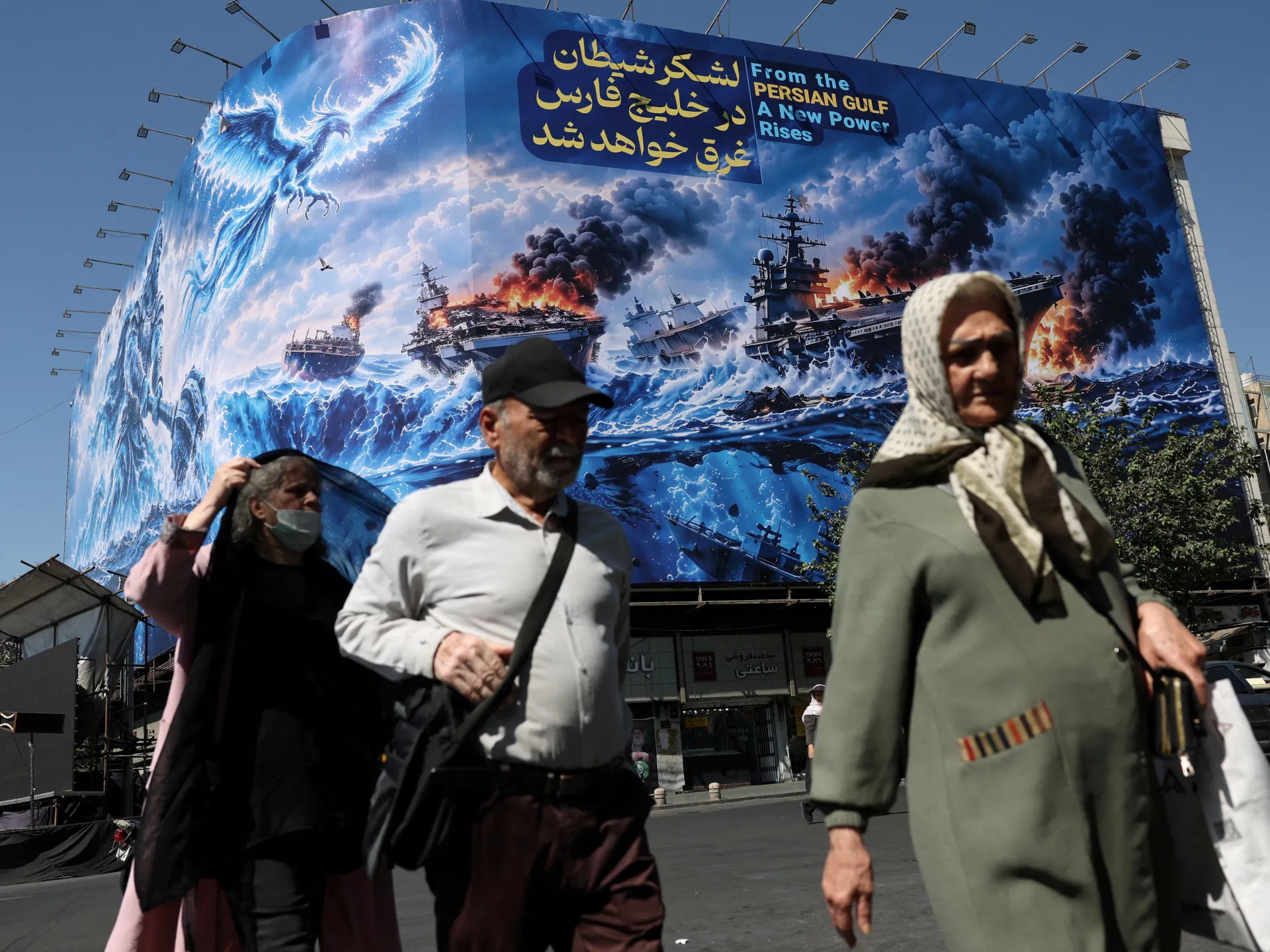
US President Donald Trump has rejected Iran’s proposal to reopen the Strait of Hormuz within a week, leaving the countries at odds over the blockade of Iranian ports and the terms for commercial transit.
Iran’s seven conditions reportedly included lifting the blockade, releasing frozen Iranian funds and ending attacks across the region. Foreign Minister Abbas Araghchi said Tehran would await an official response through mediators. Iran also says reopening the strait must follow an arrangement with Oman.
Iran has directed shipping to use a route approved by its authorities and says it will blacklist charterers whose crews take routes it considers unauthorised. Washington, meanwhile, says its warships are guiding tankers through a different route. The accounts of shipping movements remain contested.
Iranian media reported explosions near Qeshm Island after Trump rejected the proposal, but Iranian authorities did not confirm attacks there. Shipping has been severely disrupted since the US and Israel began their war on Iran on 28 February, according to Al Jazeera. The report also says an Indian cargo ship was attacked the previous week, killing a sailor.
US Energy Secretary Chris Wright cited nearly 13 million barrels of crude oil per day in transit. US Central Command separately claimed its forces had helped move more than one billion barrels from the Gulf over roughly two months. Those figures and the competing claims over transit routes come from US officials and military statements.
Analyst Andreas Krieg told Al Jazeera he expected further pressure on shipping and regional infrastructure, with possible limited US strikes on Iranian maritime assets. He described controlled attrition as more likely than an immediate return to a major air campaign; this is a forecast, not confirmation of planned operations.